Parents Prioritize Career Readiness Over Traditional Metrics, Driving Universities Towards Future-Focused Education


In an era defined by unprecedented technological advancement and rapid shifts in global economic landscapes, a significant paradigm shift is underway in how parents and students approach higher education. No longer content with merely a prestigious academic name or high grades, prospective university attendees and their families are increasingly prioritizing institutions that demonstrably prepare graduates for the complexities and demands of a rapidly evolving professional world. This burgeoning emphasis on career readiness, adaptability, and future-proof skills has become a crucial determinant in university selection, prompting leading educational institutions like BINUS University to innovate their pedagogical approaches and curriculum design. The transition reflects a deeper understanding that a university education must serve as a long-term investment in a student’s professional trajectory, extending far beyond the acquisition of theoretical knowledge.
The urgency for this educational transformation stems directly from the dynamic nature of the global job market. Industries across all sectors are grappling with a persistent skills gap, struggling to find talent equipped with the competencies required for emerging roles. Concurrently, the accelerating pace of digital transformation, particularly the proliferation of Artificial Intelligence (AI) and automation, is fundamentally reshaping the landscape of work. This dual challenge compels higher education institutions to move beyond conventional teaching models and cultivate a learning environment that fosters critical thinking, problem-solving, digital literacy, and resilience. BINUS University, recognizing these profound shifts, has positioned itself at the forefront of this movement, implementing a holistic educational framework designed to ensure its graduates are not just academically proficient but also agile, adaptable, and highly employable professionals ready to contribute meaningfully to the global economy. This strategic pivot underscores a commitment to creating an educational ecosystem that is not only robust in its academic offerings but also deeply integrated with the practical demands of the future workforce, effectively bridging the gap between academia and industry.
The Evolving Landscape of Global Employment: A Call for Adaptive Education
The impetus for this educational reform is rooted in compelling global employment statistics and future projections. A recent survey conducted by ManpowerGroup revealed that a staggering 77% of companies worldwide continue to face difficulties in finding candidates with the requisite skills, highlighting a critical mismatch between available talent and industry needs. This pervasive skills gap is not merely a transient challenge but a structural issue exacerbated by the relentless pace of technological innovation. Further underscoring this urgency, a report from the World Economic Forum (WEF) projected that approximately 22% of global jobs are expected to undergo significant transformation or be entirely displaced by new roles before the year 2030. This forecast necessitates a proactive approach from educational institutions to equip students with transferable skills and a mindset geared towards continuous learning and adaptation.
The phenomenon of "reskilling" and "upskilling" has emerged as a dominant theme in workforce development, indicating that even existing professionals require ongoing training to remain relevant. For new entrants to the workforce, this implies a need for foundational education that is inherently flexible and forward-looking. Traditional academic models, often characterized by rigid curricula and a strong emphasis on rote learning, are increasingly insufficient in preparing students for a world where job descriptions are fluid and new technologies emerge at an unprecedented rate. The skills most in demand are no longer solely technical; they include a blend of cognitive abilities (analytical thinking, creativity, complex problem-solving), social-emotional skills (leadership, teamwork, emotional intelligence), and technological literacy (data analysis, AI proficiency, digital fluency). Universities, therefore, bear the responsibility of cultivating these multifaceted competencies.
BINUS University’s Strategic Response: Investing in Future-Ready Graduates
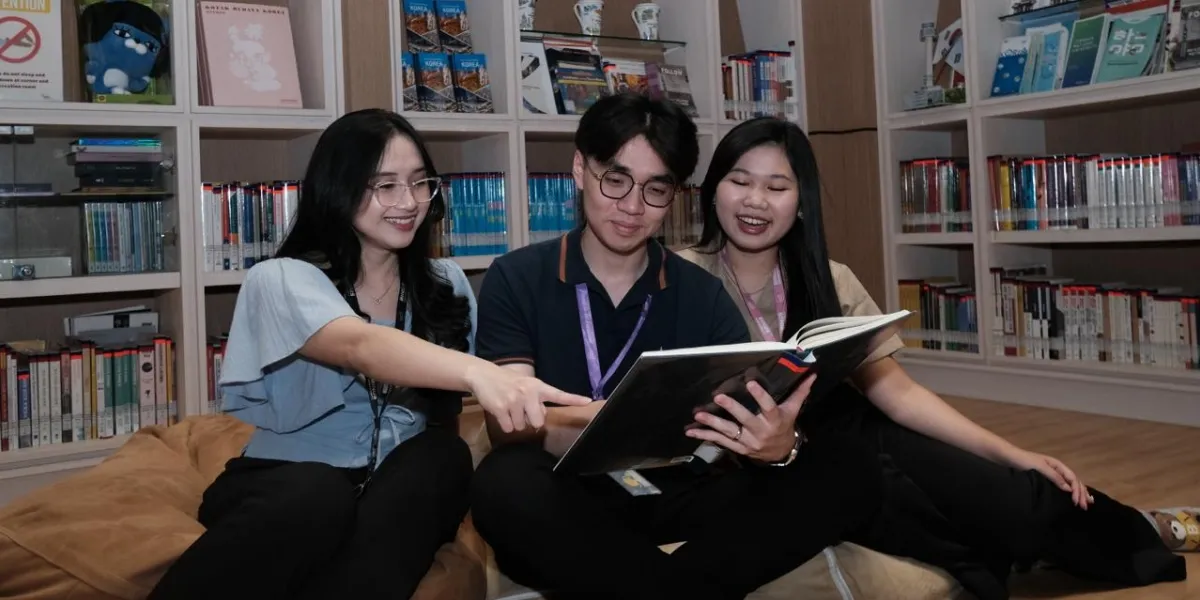
In response to these profound shifts, BINUS University has embarked on a comprehensive strategy to redefine higher education, positioning it as a critical long-term investment in students’ futures. Dr. Nelly, S.Kom., M.M., the esteemed Rector of BINUS University, articulates this vision clearly, stating, "Higher education today is a long-term investment in a child’s future. Therefore, students need to gain learning experiences that are not only academically strong but also relevant to industry needs and global developments." This statement encapsulates the university’s core philosophy: to provide an education that transcends conventional academic boundaries and directly addresses the demands of the modern professional landscape.
The university’s approach is multi-faceted, encompassing curriculum redesign, integration of cutting-edge technologies, and the provision of extensive experiential learning opportunities. Dr. Nelly further emphasizes the importance of early professional exposure, adding, "Students need opportunities to broaden their competencies, gain global exposure, and acquire professional experience from an early stage. This way, the learning process not only aids academic development but also prepares them for the professional world." This commitment reflects an understanding that theoretical knowledge alone is insufficient; practical application, international perspective, and real-world problem-solving are equally vital for fostering truly future-ready graduates. BINUS University’s strategic initiatives are thus meticulously designed to ensure that students are not merely recipients of knowledge but active participants in their own career development, empowered with the skills and confidence to navigate the complexities of the global workforce.
AI and Digital Transformation: Weaving Technology into the Fabric of Education
A cornerstone of BINUS University’s innovative educational framework is the pervasive integration of Artificial Intelligence (AI) and digital technologies across all facets of its operations. This commitment extends far beyond simply offering AI-related courses; it involves embedding AI and digital tools into the very fabric of the learning experience, research endeavors, academic services, student support, and industry collaborations. The university views AI not merely as a subject to be studied but as a fundamental tool that will shape virtually every profession in the coming decades.
Students at BINUS are actively engaged in understanding how AI can be utilized productively, critically, and responsibly. This approach is designed to foster a generation of graduates who are not just users of technology but thoughtful innovators capable of leveraging AI for idea exploration, sophisticated information analysis, and the development of solutions to complex, real-world problems. For instance, AI-powered tools are being used to personalize learning paths, provide instant feedback, and automate routine tasks, allowing educators to focus on higher-order teaching and mentoring. In research, AI assists in data pattern recognition, predictive modeling, and accelerating discovery across various disciplines, from engineering to business analytics and even creative arts.
Beyond the classroom and research labs, BINUS University has developed a robust ecosystem of digital platforms to enhance the student experience. Platforms such as Binusmaya, Neksus, and BINUS Support provide seamless and flexible access to learning materials, academic administration services, self-development resources, and comprehensive career planning tools. These platforms facilitate a more personalized and agile learning journey, enabling students to manage their studies, track their progress, access support, and explore career opportunities with unprecedented ease and flexibility. This comprehensive digital integration ensures that students are not only learning about digital transformation but are actively living and benefiting from it within their educational environment, preparing them instinctively for a digitally-driven professional life.
Beyond the Lecture Hall: Crafting Holistic Professional Pathways

BINUS University’s commitment to preparing students for the professional world extends significantly beyond traditional classroom instruction, incorporating a rich array of experiential learning programs. These initiatives are designed to broaden students’ academic horizons, expose them to diverse professional environments, and accelerate their readiness for the workforce.
One of the standout offerings is the Minor Program, which allows students to pursue studies in fields outside their primary major. This interdisciplinary approach fosters a more holistic understanding of complex issues, encouraging students to develop versatile skill sets and critical thinking abilities that are highly valued in today’s interconnected professional landscape. For example, an engineering student might minor in business analytics, or a communications student might delve into digital marketing, thereby enhancing their employability and adaptability across various sectors.
The Mobility Program provides invaluable international exposure, enabling students to study at partner universities or institutions abroad. With a network of over 170 international university partners, this program cultivates global competence, cross-cultural communication skills, and an expanded worldview—all essential attributes for success in a globalized economy. Students gain firsthand experience with different academic systems, cultural norms, and professional practices, significantly enriching their personal and professional development.
Furthermore, the Multi-Campus Program offers students the unique opportunity to experience learning at various BINUS University campuses, each with its distinct characteristics and specialized focus. This flexibility allows students to tailor their educational journey, explore different academic and social environments, and leverage the unique strengths and resources available across the BINUS network.
Perhaps the most distinctive and impactful initiative is the ‘2.5 Years Study, Ready for Career’ program. This accelerated pathway is specifically designed to provide students with early and extensive professional experience. Instead of a traditional four-year academic track, this program integrates significant practical engagement earlier in the student’s journey. Through structured internships, entrepreneurship incubation, active research projects, community development initiatives, and international experiences, students gain hands-on skills and invaluable industry insights. This immersive approach allows them to apply theoretical knowledge in real-world settings, build professional networks, and develop a robust portfolio of practical achievements even before graduation. The program’s design ensures that by the time students complete their academic requirements, they have already amassed substantial professional capital, making them exceptionally attractive to employers and significantly shortening their transition time from academia to career.
These programs, underpinned by collaborations with over 2,200 global industry partners, collectively ensure that BINUS University delivers an educational experience that is not only academically rigorous but also deeply practical and globally relevant. The strategic partnerships provide students with unparalleled access to real-world projects, industry mentors, and potential employment opportunities, solidifying BINUS’s reputation as a leader in career-focused higher education.
Broader Implications: Reshaping the Future of Education and Employment
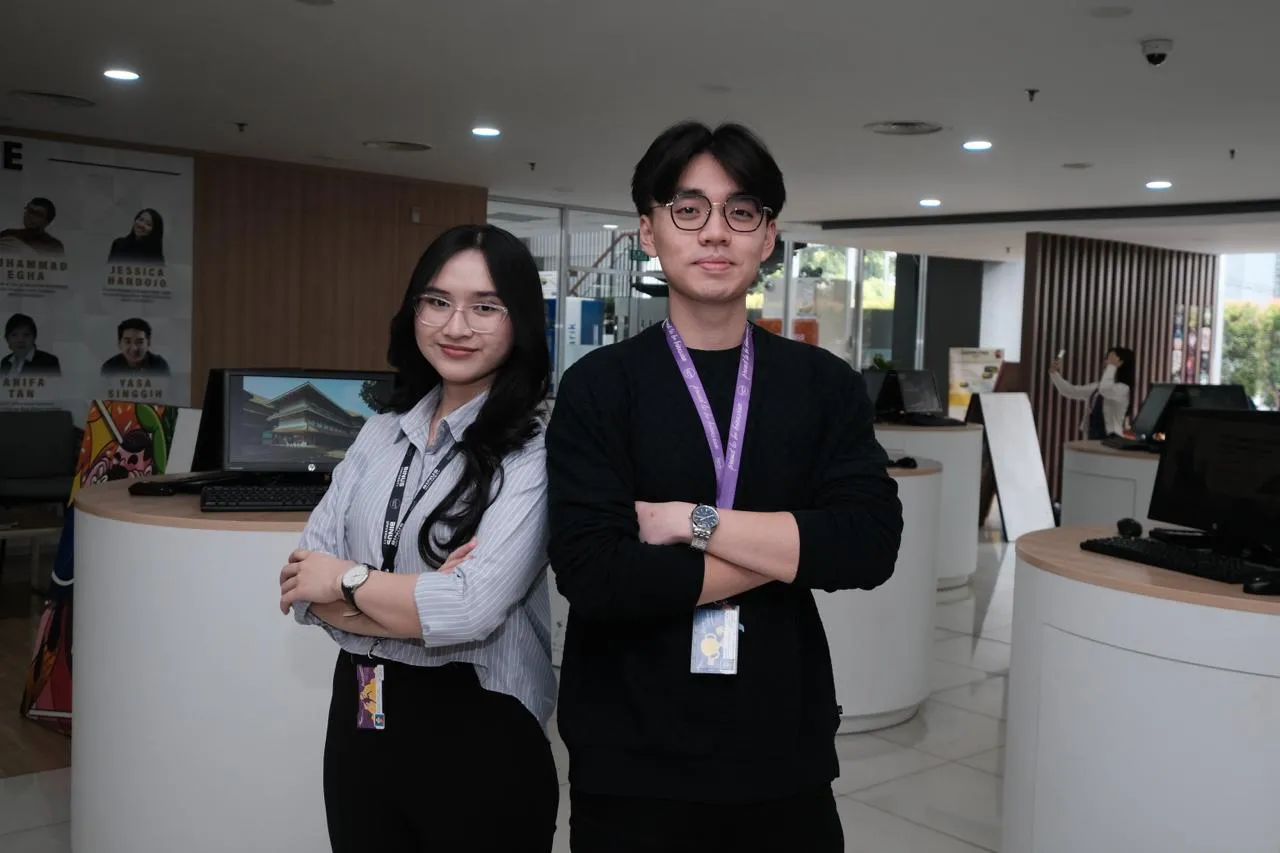
The pioneering approach adopted by BINUS University carries significant implications, not just for its students and the institution itself, but for the wider higher education sector, the national economy, and the future workforce.
For students, the implications are transformative. They are empowered with enhanced employability, clearer career trajectories, and the crucial ability to adapt to unforeseen professional changes. The blend of strong academic foundations with early, intensive professional exposure significantly reduces the anxiety often associated with post-graduation job searches, providing a confident launchpad for their careers. Parents, in turn, gain peace of mind, seeing a tangible return on their educational investment through their children’s accelerated career readiness and long-term professional security.
For industry, the benefits are equally profound. Companies gain access to a talent pool that is not only highly skilled but also immediately productive. Graduates from BINUS’s programs require less onboarding and training, as they arrive with practical experience, a problem-solving mindset, and familiarity with cutting-edge tools like AI. This directly addresses the persistent skills gap, fostering more dynamic and innovative workforces across various sectors. The university’s strong ties with over 2,200 global industry partners ensure that its curriculum remains aligned with evolving market needs, creating a virtuous cycle of talent development and industry growth.
Within the higher education sector, BINUS University’s model sets a compelling benchmark. It challenges other institutions to re-evaluate their own curricula and pedagogical methods, encouraging a broader shift towards more career-centric, adaptive, and technology-integrated education. This competitive impetus can drive sector-wide reform, fostering greater collaboration between academia and industry to produce graduates who are genuinely prepared for the future. Such a shift is vital for maintaining the relevance and value of university education in a rapidly changing world.
On a national level, initiatives like BINUS’s contribute significantly to human capital development. By cultivating a skilled, adaptable, and globally competent workforce, Indonesia strengthens its position in the global economy, particularly in key sectors driven by technology and innovation. This sustained investment in future-ready talent is critical for national competitiveness, economic growth, and social progress in the digital era. It ensures that the nation’s youth are not merely consumers of global trends but active contributors and innovators on the international stage.
In conclusion, BINUS University’s proactive and comprehensive strategy to integrate career readiness, AI literacy, and experiential learning into its core educational framework represents a forward-thinking response to the challenges and opportunities of the 21st century. By prioritizing adaptability, practical skills, and global exposure, the university is not only shaping the careers of its individual students but also playing a pivotal role in redefining the future of higher education and contributing to the robust development of a skilled, resilient, and innovative national workforce. As of May 27, 2026, this commitment underscores BINUS University’s leadership in preparing a generation of graduates ready to thrive in an increasingly complex and dynamic world.