President Prabowo Subianto Unveils Ambitious 2029 Deadline for Nationwide School Renovation and Touts Indonesia’s Global Digital Education Recognition


Jakarta, Indonesia – President Prabowo Subianto has declared an ambitious national target to complete the renovation of every school across Indonesia by 2029, a monumental undertaking aimed at significantly enhancing the quality of educational infrastructure throughout the archipelago. The directive, articulated during a full cabinet meeting (Sidang Kabinet Paripurna) at the State Palace in Central Jakarta on Monday, July 20th, underscores the government’s steadfast commitment to ensuring equitable access to conducive learning environments for all Indonesian students. To accelerate this extensive program, the government plans to implement a decentralized funding mechanism, channeling renovation funds directly to school principals, with robust oversight from dedicated school committees comprising parents and teachers.
President Subianto outlined a clear, phased approach for this nationwide initiative. "This year, we aim to complete the renovation of 77,000 schools. For the coming year, our target is 100,000 schools, followed by another 100,000 in 2028," he stated, projecting a swift and comprehensive overhaul. "We are optimistic that by 2029, every school in Indonesia will have undergone renovation." This aggressive timeline highlights the urgency and scale of the administration’s educational reform agenda. The initiative is set to address long-standing issues of dilapidated and inadequate school buildings, which have historically posed significant barriers to effective teaching and learning, particularly in remote and underserved regions.
The decision to channel funds directly to school principals marks a significant shift in implementation strategy, moving away from potentially bureaucratic central procurement processes. This direct disbursement mechanism is intended to streamline the renovation process, empowering local school administrations to manage projects more efficiently and responsively to their specific needs. "The funds will be sent directly to school principals, and their utilization will be closely supervised by committees involving parents, teachers, and other stakeholders," President Subianto explained, emphasizing the importance of local accountability and transparency. He added, "And it turns out, the results have been very good," suggesting that this model has already yielded positive outcomes in pilot or preliminary phases. This approach aims to foster greater community engagement and ownership in improving educational facilities, ensuring that renovations align with the unique requirements of each school community while minimizing opportunities for graft and inefficiency often associated with complex procurement chains.
Ambitious Renovation Targets for National Schools
Indonesia, a vast archipelagic nation, grapples with a diverse educational landscape, encompassing hundreds of thousands of schools from elementary to senior high levels. A significant portion of these institutions, particularly in rural and remote areas, have long suffered from inadequate infrastructure, ranging from crumbling classrooms and insufficient sanitation facilities to a lack of proper learning aids. Data from the Ministry of Education and Culture has consistently shown that tens of thousands of school buildings across the country are in various states of disrepair, directly impacting student attendance, teacher morale, and overall learning outcomes. The President’s ambitious target to renovate all schools by 2029 aims to fundamentally transform this reality.
The program’s ambitious scope requires not only substantial financial investment but also meticulous planning and execution. With approximately 250,000 to 300,000 schools (including public and private institutions across all levels) operating nationwide, the renovation of 77,000 schools this year, followed by 100,000 in subsequent years, represents an unprecedented scale of infrastructure development in the education sector. This initiative is not merely about structural repairs; it encompasses creating modern, safe, and inspiring learning environments equipped with essential facilities such as clean restrooms, libraries, laboratories, and functional classrooms. The ultimate goal is to eliminate substandard school buildings, thereby removing a major impediment to educational equity and quality for millions of Indonesian children. This massive undertaking is expected to generate significant employment opportunities in local construction sectors, further contributing to regional economic development while simultaneously enhancing the nation’s human capital.
Decentralized Funding Model: Empowering Schools, Ensuring Oversight
The strategic decision to channel renovation funds directly to school principals, rather than through complex layers of bureaucracy, reflects a broader government philosophy of decentralization and local empowerment. Historically, large-scale infrastructure projects in Indonesia have sometimes been plagued by delays, cost overruns, and allegations of corruption due to centralized tender processes. By entrusting school principals with the direct management of renovation funds, the government aims to foster greater efficiency, accountability, and responsiveness at the grassroots level. This model is predicated on the belief that local school communities are best positioned to identify their specific needs and oversee the timely and quality execution of renovation projects.
Crucially, the success of this direct funding model hinges on the robust involvement of school committees. These committees, typically comprising parents, teachers, community leaders, and sometimes even student representatives, are envisioned as the primary oversight bodies. Their role extends beyond mere consultation; they are expected to actively monitor the allocation and expenditure of funds, ensure the quality of renovation work, and provide transparency to the wider school community. This mechanism mirrors successful community-driven development programs implemented in Indonesia, where local participation has proven effective in project management and corruption prevention. To further bolster this system, the government is likely to implement standardized financial reporting requirements, regular audits, and possibly training programs for school committees and principals on financial management and project oversight. While this model promises greater agility and local relevance, it also presents challenges, including the need for adequate capacity building at the school level and robust mechanisms to address potential misapplication of funds, necessitating strong internal and external audit functions.
Indonesia Recognized Globally for Digital Governance and Education
In a separate but equally significant announcement during the same cabinet meeting, President Prabowo Subianto proudly revealed that Indonesia had received the highest award from the International Telecommunication Union (ITU), a specialized agency of the United Nations responsible for information and communication technologies (ICTs). This prestigious recognition was bestowed upon Indonesia for its outstanding achievements in the fields of e-government and digitalizing education. The ITU, with its global mandate, assesses member states on various indicators related to ICT development and utilization, making this award a testament to Indonesia’s progressive strides in leveraging technology for public service delivery and educational advancement.
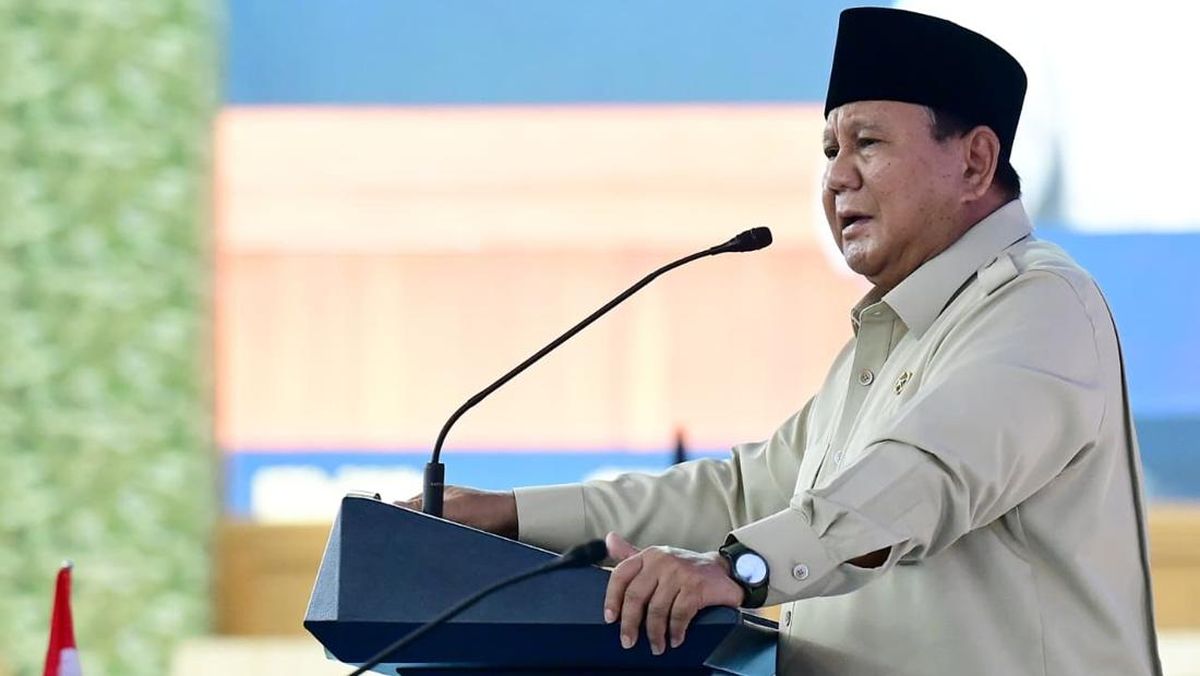
The award positions Indonesia at the forefront of digital transformation among 122 participating nations in the categories of e-government and digital education. E-government refers to the use of information and communication technologies to provide government services, exchange information, communicate transactions, and integrate various stand-alone systems and services. Digitalization of education, on the other hand, encompasses the integration of digital technologies and resources into teaching, learning, and educational management processes. This accolade signifies that Indonesia has not only developed robust digital infrastructure but has also effectively deployed digital solutions to improve governance efficiency and expand access to quality education. The recognition from a respected international body like the ITU validates Indonesia’s strategic investments in digital infrastructure and its commitment to fostering a digitally empowered society.
The "Rumah Pendidikan" Platform: A Pillar of Digital Transformation
A key component underpinning Indonesia’s recognition in digital education is the "Rumah Pendidikan" (Education House) platform. This integrated digital portal has emerged as a cornerstone of the nation’s efforts to democratize access to learning resources and support educators, particularly those in the challenging 3T (Terdepan, Terluar, Tertinggal – Frontier, Outermost, Disadvantaged) regions. President Subianto highlighted the platform’s impressive reach and utility: "Rumah Pendidikan, an integrated portal with interactive flat panels that we have distributed, has been utilized by over 6.9 million users." This widespread adoption underscores its effectiveness and accessibility.
The platform boasts an extensive library of educational content, providing "4,843 free learning resources." These resources cater to a wide range of subjects and grade levels, offering supplementary materials, interactive lessons, and professional development tools for teachers. Its particular value in 3T areas cannot be overstated. In these remote and underserved regions, access to quality textbooks, trained teachers, and modern teaching aids is often severely limited. Rumah Pendidikan helps to bridge this gap by delivering high-quality digital content directly to schools and educators, enabling them to enhance their pedagogical practices and provide richer learning experiences for students who might otherwise be left behind. By supporting "hundreds of thousands of teachers" in these critical areas, the platform plays a vital role in ensuring educational equity and fostering a more skilled and knowledgeable workforce across the nation. The success of Rumah Pendidikan illustrates the transformative potential of digital technology in overcoming geographical and socio-economic barriers to education, making learning more engaging and accessible for millions.
Broader Implications for National Development
The twin initiatives of nationwide school renovation and advanced digital education have profound implications for Indonesia’s long-term national development goals. Improved school infrastructure directly correlates with better learning environments, which in turn can lead to higher student engagement, reduced dropout rates, and enhanced academic performance. A safe, comfortable, and well-equipped school is fundamental to effective teaching and learning, fostering a positive educational ecosystem that nurtures intellectual growth and creativity. This physical transformation, combined with the strategic integration of digital learning platforms like Rumah Pendidikan, creates a powerful synergy.
The digital education thrust addresses several critical challenges. It democratizes access to quality content, reduces reliance on traditional textbooks, and provides continuous professional development opportunities for teachers, especially those in remote areas where training resources are scarce. By leveraging technology, Indonesia is preparing its next generation for the demands of the 21st-century economy, fostering digital literacy and critical thinking skills essential for future success. The global recognition from the ITU not only boosts Indonesia’s international standing but also signals to potential investors and partners that the nation is a serious player in the digital economy.
However, the implementation of such vast programs will not be without challenges. For school renovations, maintaining quality control across thousands of disparate projects, ensuring timely disbursement of funds, and preventing corruption will require robust monitoring and auditing mechanisms. For digital education, issues such as internet connectivity in remote areas, equitable access to devices, and ongoing teacher training to effectively integrate technology into their pedagogy remain crucial. Bridging the digital divide, especially in 3T regions where infrastructure is still developing, will require sustained investment and innovative solutions. Education experts emphasize that while infrastructure and technology are vital, they must be complemented by continued investment in teacher quality, curriculum development, and holistic student support services to truly achieve a transformational impact on the national education system.
Historical Context and Future Outlook
Indonesia has a long history of grappling with educational disparities, a legacy of its vast geography and varied socio-economic conditions. While previous administrations have initiated programs to improve school infrastructure and integrate technology, the scale and ambition of President Prabowo Subianto’s current agenda mark a significant escalation of these efforts. His clear deadline for school renovations and the robust promotion of digital platforms underscore a comprehensive strategy to modernize the nation’s education system.
The President’s concluding remarks, "This award from the UN proves that our education digitalization is recognized globally. We are not easily satisfied; the journey is still long, but we want to improve all our schools," encapsulate the administration’s pragmatic optimism. While acknowledging international praise, there is a clear understanding that significant work remains. The renovation program and the continued expansion of digital learning tools are not merely standalone initiatives but integral components of a broader vision to develop a highly skilled, adaptable, and digitally literate populace capable of driving Indonesia’s future growth and enhancing its global competitiveness. By prioritizing both foundational infrastructure and cutting-edge digital integration, Indonesia aims to build an education system that is equitable, resilient, and prepared for the challenges and opportunities of the coming decades.