
Roasted Tomatoes With Garlic
The Ultimate Guide to Roasted Tomatoes with Garlic: Flavor, Versatility, and Technique
Roasted tomatoes with garlic represent a fundamental culinary transformation, elevating humble produce into a sweet, intensely flavored, and remarkably versatile ingredient. This process harnesses the Maillard reaction and caramelization, unlocking hidden depths of sweetness and umami in the tomatoes while infusing them with the pungent aroma and mellowed spice of roasted garlic. Beyond mere side dish status, this simple preparation serves as a foundational element for countless dishes, from vibrant sauces and dips to luxurious pasta toppings and vibrant salad components. Mastering the art of roasting tomatoes with garlic is an accessible entry point into enhancing everyday meals with restaurant-quality flavor, requiring minimal effort and yielding maximum reward. The simplicity of its ingredients belies its transformative power, making it an indispensable technique for home cooks seeking to add a sophisticated yet unfussy touch to their repertoire.
The magic of roasted tomatoes with garlic lies in the chemical changes that occur under moderate heat. Tomatoes, when exposed to dry heat, undergo dehydration. This process concentrates their natural sugars, leading to an intensified sweetness. Simultaneously, the cell walls break down, releasing moisture and volatile flavor compounds. This moisture evaporation is crucial for achieving that desirable, almost jammy texture in the finished product. Garlic, when roasted, undergoes a similar transformation. Its sharp, pungent bite mellows considerably, developing a creamy texture and a sweet, nutty flavor profile. The sulfur compounds responsible for raw garlic’s pungency are converted into less aggressive, more palatable forms, making roasted garlic a delight even for those who typically shy away from its raw intensity. The combination of these two elements creates a synergistic flavor explosion. The inherent acidity of the tomatoes is balanced by the sweetness of their concentrated sugars and the mellowed sweetness of the garlic, while the savory, umami notes of both ingredients amplify each other. This interplay of sweet, savory, and slightly acidic makes roasted tomatoes with garlic a dynamic flavor enhancer that can complement a vast array of culinary applications.
Selecting the right tomatoes is paramount for achieving optimal results. While almost any tomato can be roasted, certain varieties lend themselves particularly well to this preparation due to their flesh-to-seed ratio and sugar content. Cherry tomatoes, grape tomatoes, and Roma tomatoes are excellent choices. Cherry and grape tomatoes, with their small size and thin skins, roast quickly and evenly, yielding intensely sweet, bite-sized flavor bombs. Roma tomatoes, also known as plum tomatoes, have a lower water content and fewer seeds, resulting in a meatier, more concentrated flavor when roasted. Their firm flesh holds its shape well during the roasting process, making them ideal for chunkier preparations. Larger, more watery tomatoes like beefsteak or heirloom varieties can also be roasted, but they will require longer cooking times and may yield a less concentrated flavor unless excess moisture is carefully managed. For optimal sweetness, ripeness is key. Look for tomatoes that are vibrantly colored, firm to the touch, and have a pleasant, slightly yielding texture. Avoid tomatoes that are bruised, soft, or show signs of spoilage. The aroma of ripe tomatoes is also a good indicator of their quality; they should have a sweet, earthy scent.
Garlic selection is equally important, though the variations are less pronounced than with tomatoes. Fresh, firm garlic heads with plump, unbroken cloves are ideal. Avoid garlic that has begun to sprout, as this indicates the cloves are older and their flavor may be less potent. The number of garlic cloves used can be adjusted to personal preference. A good starting point is one to two cloves per pound of tomatoes. For a more pronounced garlic flavor, increase the quantity. The skins can be left on the garlic cloves during roasting, which helps to steam them from the inside and contributes to their creamy texture. Alternatively, individual cloves can be peeled before roasting, though this may result in a slightly faster cooking time for the garlic.
The roasting process itself is straightforward, requiring a hot oven and a suitable vessel. A baking sheet lined with parchment paper or aluminum foil is a common and effective choice for ease of cleanup. For a more caramelized, slightly smoky flavor, a cast-iron skillet or a ceramic baking dish can be utilized. Preheat your oven to a moderately high temperature, typically between 400°F (200°C) and 425°F (220°C). This high heat is crucial for promoting browning and caramelization while quickly reducing moisture. The tomatoes, whether whole or halved, should be spread in a single layer on the baking sheet, ensuring they are not overcrowded. Overcrowding will cause the tomatoes to steam rather than roast, leading to a mushy, less flavorful result. If using whole cherry or grape tomatoes, a gentle prick with a fork can help prevent them from bursting prematurely, though some bursting is desirable to release their juices. If halving larger tomatoes, place them cut-side up or down depending on your desired outcome; cut-side up will allow juices to pool and concentrate on the cut surface, while cut-side down can lead to more direct caramelization of the flesh.
The garlic cloves, whether left whole with skins or peeled, should be distributed among the tomatoes. A drizzle of good quality olive oil over the tomatoes and garlic is essential. Olive oil not only prevents sticking but also facilitates browning and adds a rich, fruity note. The type of olive oil can subtly influence the final flavor; extra virgin olive oil will impart a more pronounced peppery or fruity character, while a lighter olive oil will be more neutral. Seasoning is a crucial yet simple step. A generous pinch of sea salt or kosher salt is indispensable. Salt not only enhances the natural sweetness of the tomatoes but also draws out moisture, aiding in the dehydration process. Freshly ground black pepper adds a subtle warmth and complexity. For those seeking to elevate the flavor profile further, a pinch of red pepper flakes can introduce a touch of heat. Other complementary seasonings can include dried herbs like oregano, thyme, or rosemary, which will become fragrant and toasty in the oven. A sprig of fresh thyme or rosemary can also be nestled amongst the tomatoes and garlic for an aromatic infusion.
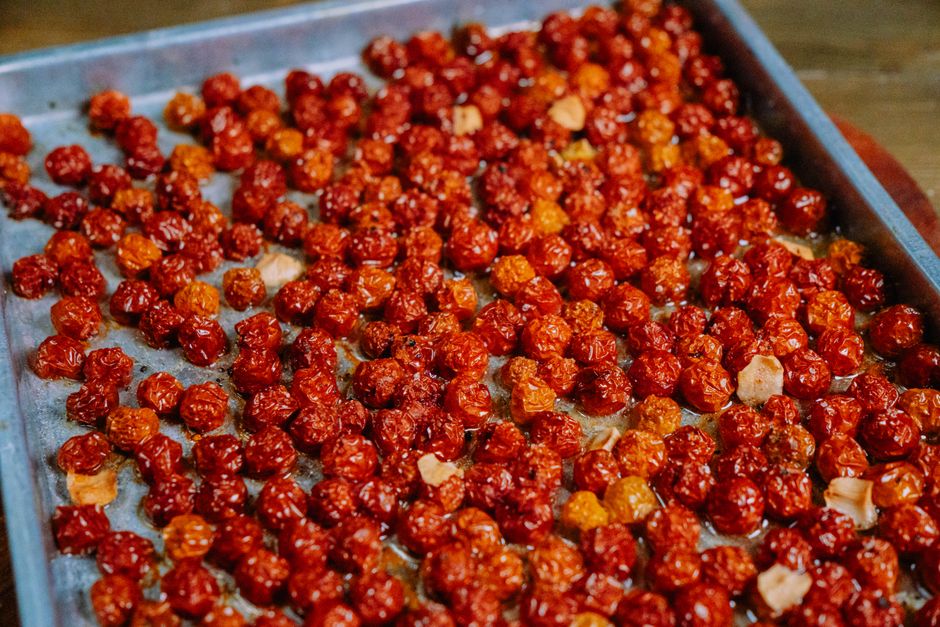
The roasting time will vary depending on the size and type of tomatoes, as well as the oven temperature. Generally, cherry or grape tomatoes will roast in 15-25 minutes, while larger Roma tomatoes may take 25-40 minutes. The indicator of readiness is the appearance of the tomatoes: they should be softened, slightly shriveled, and beginning to blister and brown in spots. The garlic cloves should be tender and slightly golden. Once roasted, remove the baking sheet from the oven and allow the tomatoes and garlic to cool slightly. The roasted garlic cloves can then be easily squeezed from their skins, revealing a creamy, spreadable paste. The accumulated juices on the baking sheet are liquid gold, packed with concentrated tomato and garlic flavor, and should be incorporated into the final dish.
The versatility of roasted tomatoes with garlic is where its true culinary brilliance shines. As a simple appetizer or side dish, they can be served warm or at room temperature, perhaps with a sprinkle of fresh basil or parsley. Their inherent sweetness makes them a perfect counterpoint to rich or savory dishes like grilled meats, roasted chicken, or pan-seared fish. When combined with a touch of balsamic glaze, they become an elegant accompaniment to almost any protein.
For pasta dishes, roasted tomatoes with garlic are a game-changer. Toss them directly into cooked pasta with a splash of pasta water and a drizzle of olive oil for an instant, flavorful sauce. They can be mashed to create a rustic tomato sauce or left whole for a more textural element. Blended with a little of their own juices, they form the base of a quick and intensely flavored marinara or arrabbiata sauce, particularly when combined with a pinch of chili flakes. The sweet, mellowed garlic can be mashed and stirred into the sauce for a smoother, more integrated flavor.
In salads, roasted tomatoes with garlic add a burst of sweet, savory flavor and a pleasingly soft texture. They can be incorporated into green salads, grain salads, or bean salads, providing a more substantial and flavorful element than raw tomatoes. Their depth of flavor also makes them an excellent addition to bruschetta toppings, spread over toasted bread with a sprinkle of cheese or fresh herbs.
As a component in dips and spreads, roasted tomatoes with garlic are invaluable. Blended with cream cheese, ricotta, or even hummus, they create vibrant and flavorful dips. Their intense flavor also makes them a welcome addition to sandwiches and wraps, providing a moist and savory filling.
The roasted garlic itself, once squeezed from its skins, can be used as a flavorful spread on bread, stirred into mashed potatoes or other vegetable purees, or incorporated into salad dressings for a subtle, sweet garlic infusion. The possibilities for utilizing this simple yet profound preparation are virtually endless, limited only by culinary imagination.
Storage of roasted tomatoes with garlic is straightforward. Once cooled, they can be stored in an airtight container in the refrigerator for up to 3-4 days. The flavors tend to meld and deepen over time, making them even more delicious as leftovers. For longer storage, they can be frozen, though the texture may change slightly upon thawing. They can be frozen in their juices in ice cube trays for convenient portions to add to sauces or stews.
In conclusion, mastering roasted tomatoes with garlic is an essential skill for any home cook. This simple preparation unlocks a world of flavor, transforming basic ingredients into a sophisticated and versatile culinary asset. From enhancing everyday pasta dishes to elevating simple appetizers, the sweet intensity of roasted tomatoes and the mellow depth of roasted garlic offer a foundation for countless delicious creations. The ease of preparation, coupled with the profound flavor transformation, makes this a technique worthy of frequent repetition, promising to enrich any meal with its delightful taste and remarkable adaptability. The fundamental principles of heat, moisture reduction, and ingredient synergy are on full display, offering a clear and accessible path to culinary enhancement.
