
Shrimp And Crab Seafood Salad
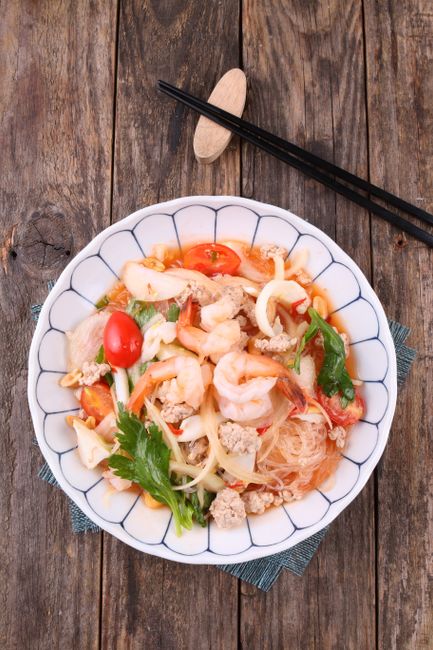
Shrimp and Crab Seafood Salad: A Culinary Deep Dive
Seafood salad, a versatile and beloved dish, frequently features shrimp and crab, offering a delightful interplay of textures and oceanic flavors. This guide explores the nuances of crafting exceptional shrimp and crab seafood salad, from ingredient selection and preparation to recipe variations and serving suggestions. The success of this salad hinges on the quality of its core components: fresh, sweet shrimp and lump crab meat, ideally sourced for optimal flavor and texture.
Shrimp Selection and Preparation: The foundation of a superior shrimp and crab seafood salad lies in the quality of the shrimp. Opt for fresh, wild-caught shrimp whenever possible. Size is a matter of preference; medium to large shrimp (21-30 count per pound) are ideal, offering a satisfying bite without being overwhelming. Smaller shrimp can be used, but they may get lost in the crab meat. When purchasing shrimp, look for firm, translucent flesh with a mild, sweet aroma. Avoid shrimp that are slimy, discolored, or have a strong ammonia smell, which indicates spoilage. Frozen shrimp are a viable alternative, but ensure they are properly thawed before use. For thawing, the safest method is to transfer the frozen shrimp from their packaging to a colander set in a bowl in the refrigerator overnight. Alternatively, they can be thawed more quickly by placing the sealed bag of shrimp in a bowl of cold water, changing the water every 15-20 minutes until thawed.
Preparing shrimp for seafood salad typically involves peeling, deveining, and cooking. Peeling can be done by hand, or for convenience, pre-peeled and deveined shrimp can be purchased. The deveining process is crucial for both aesthetic appeal and palatability, as the dark intestinal tract can impart a gritty texture and off-flavor. To devein, make a shallow cut along the back of the shrimp and use the tip of a paring knife or a specialized deveining tool to lift and remove the dark vein.
Cooking shrimp for seafood salad requires a delicate touch to avoid overcooking, which results in a rubbery texture. Poaching is the preferred method, as it gently cooks the shrimp and imparts moisture. To poach, bring a pot of water, seasoned with salt, bay leaves, peppercorns, and lemon slices, to a simmer. Submerge the shrimp and cook for only 2-4 minutes, depending on size, until they turn pink and opaque. Immediately drain the shrimp and plunge them into an ice bath to halt the cooking process. This shock-freezing prevents further cooking and preserves their tender texture. For a flavor boost, consider poaching the shrimp in a court bouillon or a light seafood stock. Once cooled, the shrimp can be roughly chopped or left whole, depending on the desired presentation and mouthfeel.
Crab Meat Selection and Preparation: The other cornerstone of this seafood salad is the crab meat. For the most authentic and delightful flavor, opt for lump crab meat, which consists of large pieces of sweet, tender crab. King crab and snow crab are popular choices, offering distinct flavor profiles and textures. King crab meat tends to be sweeter and more robust, while snow crab is slightly more delicate and briny. When purchasing, look for fresh, refrigerated crab meat, or high-quality canned or pasteurized varieties. Avoid crab meat that appears dry, discolored, or has an overly fishy odor.
If using fresh crab, it will likely be pre-cooked. The primary preparation step is to gently pick through the crab meat to remove any stray shell fragments. This is a meticulous but essential step for a pleasant dining experience. Gently flake the crab meat with your fingers, checking carefully for any pieces of shell. Do not shred the crab meat; the goal is to maintain the integrity of the lumps. If using canned or pasteurized crab meat, drain it thoroughly before using.
The art of combining shrimp and crab lies in achieving a balance of flavors and textures. The sweetness of the shrimp should complement, not overpower, the delicate sweetness of the crab. The textural contrast – the slight chew of the shrimp against the tender, flaky crab – is also a key element.
Mayonnaise as the Binder: The creamy binder is essential for binding the seafood components and adding richness. Mayonnaise is the traditional choice, and its quality significantly impacts the final salad. Opt for a good-quality, full-fat mayonnaise, as low-fat versions can sometimes result in a watery salad and a less satisfying mouthfeel. Homemade mayonnaise offers superior flavor and texture, but store-bought is a convenient and acceptable option. The amount of mayonnaise used is a matter of personal preference; some prefer a looser salad with just enough to coat the ingredients, while others enjoy a richer, more cohesive mixture.
Beyond mayonnaise, other creamy elements can be incorporated to enhance the flavor profile and texture. A dollop of sour cream or Greek yogurt can add a subtle tang and lighten the richness of the mayonnaise. A touch of Dijon mustard provides a zesty kick and emulsifies the dressing beautifully.
Flavor Enhancements and Seasonings: The beauty of shrimp and crab seafood salad lies in its adaptability to various flavor profiles. Beyond the primary seafood and binder, a host of ingredients can elevate the dish. Finely chopped celery is a classic addition, providing a refreshing crunch and a subtle, herbaceous note. Red onion, finely minced, offers a sharp counterpoint to the sweetness of the seafood, but it should be used judiciously to avoid an overpowering onion flavor. For a milder onion flavor, red onion can be soaked in cold water for 10-15 minutes before draining and incorporating.
Fresh herbs are indispensable for adding brightness and complexity. Fresh dill is a quintessential herb for seafood, its feathery fronds lending a delicate, anise-like flavor. Parsley, with its clean, slightly peppery taste, is another excellent choice. Chives, finely snipped, offer a mild oniony aroma. Lemon juice, freshly squeezed, is crucial for balancing the richness of the mayonnaise and brightening the overall flavor of the salad. A squeeze of lemon can be added to the dressing or as a final garnish.
Other common additions include capers for a briny, tangy accent, or chopped pickles or relish for a sweet and sour counterpoint. Old Bay seasoning, a popular blend of celery salt, paprika, black pepper, and other spices, is a natural fit for seafood and imparts a signature Chesapeake Bay flavor. Be mindful of the salt content of Old Bay and adjust accordingly.
Recipe Variations: The versatility of shrimp and crab seafood salad allows for numerous variations, catering to diverse palates and occasions.
Classic Shrimp and Crab Salad: This foundational recipe typically involves cooked and chopped shrimp, lump crab meat, mayonnaise, finely chopped celery, a touch of Dijon mustard, lemon juice, salt, and pepper. The proportions can be adjusted to personal preference.
Spicy Shrimp and Crab Salad: For those who enjoy a bit of heat, jalapeños, finely diced, can be added. A pinch of cayenne pepper or a drizzle of sriracha into the mayonnaise can also introduce a pleasant warmth.
Avocado Shrimp and Crab Salad: The addition of ripe, diced avocado lends a creamy, buttery texture and a subtle, nutty flavor. The avocado should be added just before serving to prevent browning.
Shrimp and Crab Salad with Grapes and Almonds: This variation offers a delightful textural and flavor contrast. Halved seedless grapes provide a burst of sweetness, while toasted slivered almonds add a satisfying crunch and a hint of nuttiness.
Serving Suggestions: Shrimp and crab seafood salad is a multifaceted dish that can be enjoyed in a variety of ways.
Sandwiches and Wraps: It’s a classic filling for sandwiches, served on toasted brioche buns, croissants, or within lettuce cups for a lighter option. As a wrap, it pairs well with tortillas or large spinach leaves.
Salad Topper: Spooned over a bed of crisp mixed greens, it transforms a simple salad into a substantial and elegant meal. A light vinaigrette complements the richness of the seafood salad.
Appetizer Cups: Serve in small ramekins or on individual spoons as an elegant appetizer for parties and gatherings. Garnish with a sprig of fresh dill or a lemon wedge.
Stuffed Vegetables: It can be used to stuff tomatoes, avocados, or bell peppers for a visually appealing and flavorful appetizer or light lunch.
Dips and Spreads: When made with a slightly thicker consistency, it can be served as a sophisticated dip with crackers, crudités, or pita bread.
As a Side Dish: It makes an excellent side dish for grilled or broiled fish, chicken, or steak, offering a refreshing contrast to richer main courses.
Storage and Food Safety: Proper storage is crucial for maintaining the freshness and safety of shrimp and crab seafood salad. Refrigerate the salad promptly after preparation, ideally within two hours. Store it in an airtight container in the coldest part of your refrigerator.
The shelf life of shrimp and crab seafood salad is generally 2-3 days. Beyond this, the quality of the seafood may degrade, and the risk of bacterial growth increases. Always inspect the salad for any signs of spoilage, such as an off-odor, unusual texture, or discoloration, before consuming. When in doubt, it is best to discard it. If the salad appears watery, it may be a sign that it is starting to spoil, or that an excessive amount of liquid has been released from the seafood. Gently draining off any excess liquid before serving can sometimes revive it. However, significant pooling of liquid is a red flag.
Conclusion: Shrimp and crab seafood salad, when prepared with quality ingredients and thoughtful consideration of flavor pairings, is a culinary triumph. Its inherent elegance, combined with its versatility, makes it a perennial favorite, suitable for casual lunches, sophisticated appetizers, and impressive main courses. By understanding the nuances of ingredient selection, preparation techniques, and flavor enhancement, one can consistently create a seafood salad that is both SEO-friendly in its appeal and undeniably delicious.
