
Supreme Court Trump Immunity Case
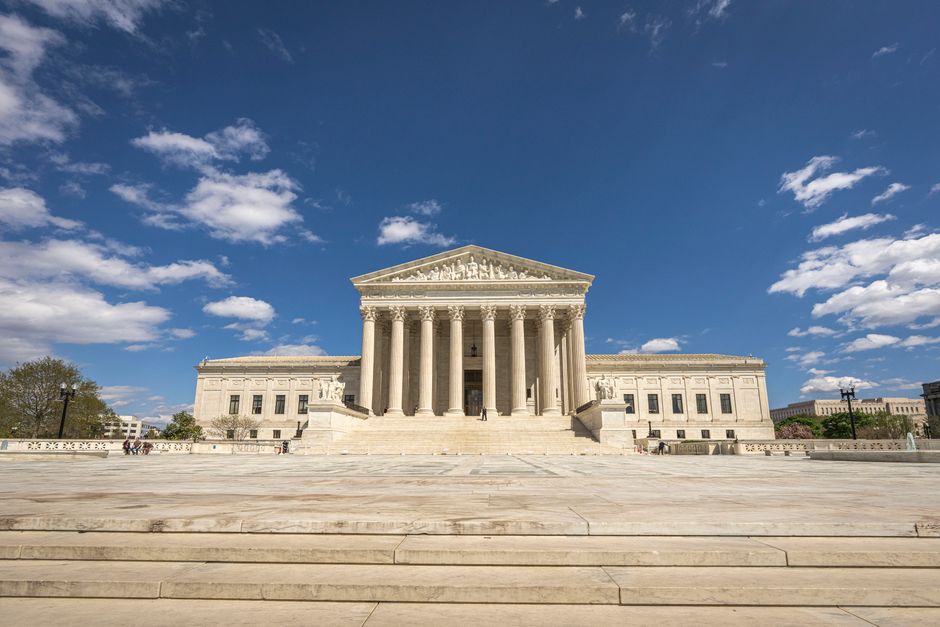
Supreme Court Weighs Presidential Immunity in Trump Case
The United States Supreme Court is currently grappling with a pivotal case that could reshape the boundaries of presidential power and accountability: Donald Trump v. United States. At its core, the lawsuit centers on whether a former president is immune from federal prosecution for actions taken while in office. This legal battle, stemming from charges related to alleged efforts to overturn the 2020 election, has ignited intense debate about the separation of powers, the rule of law, and the very nature of presidential authority. The Court’s decision will have profound implications not only for Donald Trump’s legal future but also for the future of the presidency and the checks and balances inherent in the American system of government. Understanding the arguments presented, the legal precedents at play, and the potential ramifications is crucial for comprehending this landmark constitutional challenge.
The central legal question before the Supreme Court is whether a former president is absolutely immune from federal criminal prosecution for acts alleged to have been committed in their official capacity. Trump’s legal team argues for broad immunity, contending that former presidents must be shielded from politically motivated prosecutions to effectively carry out their duties and to ensure the stable functioning of the executive branch. They assert that the specter of future prosecution could chill a president’s willingness to make difficult, even unpopular, decisions while in office, thereby undermining the presidency itself. This argument draws upon historical interpretations of executive privilege and the idea that a president, as the head of a co-equal branch of government, requires a degree of protection to execute their responsibilities without constant fear of partisan legal retribution. The defense has also pointed to the impeachment process as the constitutionally prescribed method for addressing alleged presidential misconduct, suggesting that criminal prosecution for official acts should only be permissible after an impeachment and removal from office. They argue that allowing private citizens or the Justice Department to indict a former president for actions taken within the scope of their official duties would create a precedent that could destabilize the nation and paralyze future administrations.
The prosecution, represented by the Special Counsel’s office, vehemently opposes this broad grant of immunity. They argue that no individual, not even the president, is above the law. The Special Counsel contends that allowing former presidents to evade criminal accountability for alleged crimes committed in office would create a dangerous loophole, enabling presidents to act with impunity. They emphasize that the charges against Trump are not simply about policy disagreements or political decisions but about alleged criminal conspiracies to obstruct democratic processes and overturn election results. The prosecution asserts that the Constitution does not grant blanket immunity to former presidents for all actions, particularly those that are criminal in nature and aimed at subverting the rule of law. They argue that to accept Trump’s claim of immunity would effectively render the president unaccountable for criminal conduct, a notion fundamentally at odds with the principles of American jurisprudence. Furthermore, the prosecution highlights that the impeachment process, while a critical constitutional mechanism, is distinct from criminal proceedings and does not preclude subsequent criminal charges for the same conduct. They maintain that the nation’s legal system is designed to hold all citizens, including former presidents, responsible for their actions, and that allowing such a broad claim of immunity would undermine public trust in the justice system and the very concept of equal justice under the law.
The Supreme Court’s consideration of this case involves navigating complex constitutional principles and historical precedents. The doctrine of executive privilege, while recognized, has never been definitively interpreted to confer absolute immunity from criminal prosecution for former presidents. Landmark cases like United States v. Nixon (1974) established that executive privilege is not absolute and can be overcome by a demonstrated need for evidence in a criminal proceeding. However, Nixon dealt with a sitting president and the production of evidence, not immunity from prosecution itself. The Court must now determine the scope of immunity for former presidents and whether such immunity extends to alleged criminal conduct during their term. Arguments presented to the Court have delved into the historical understanding of the presidency, the framers’ intentions, and the balance of power between the executive, legislative, and judicial branches. The justices are wrestling with how to interpret the Constitution in a way that respects the dignity and functional needs of the presidency while simultaneously upholding the principle that no one is above the law. This involves analyzing whether the impeachment and removal process is the sole avenue for accountability or if criminal prosecution serves as an additional, necessary check.
The potential ramifications of the Supreme Court’s decision are far-reaching. If the Court grants broad immunity to former presidents, it could set a precedent that significantly shields future presidents from accountability for actions taken in office, regardless of their criminal nature. This could lead to a perception of unchecked presidential power and could embolden future administrations to engage in more aggressive or even unlawful behavior, knowing they might be shielded from prosecution. Such a ruling could also have a chilling effect on the ability of prosecutors to investigate and charge former presidents, potentially leading to a two-tiered system of justice. Conversely, if the Court rejects broad immunity and allows for the prosecution of former presidents for official acts deemed criminal, it could reinforce the principle of accountability and the rule of law. However, critics might argue that such a decision could open the door to politically motivated prosecutions of former presidents, creating a precedent of constant legal battles that could destabilize the nation and create partisan chaos. The ruling will undoubtedly influence the balance of power between the presidency and the other branches of government and will shape how presidential accountability is understood and enforced in the United States.
The arguments presented to the Supreme Court highlighted the differing interpretations of the speech or debate clause, which generally protects members of Congress from being questioned in any other place for any speech or debate in either House. While not directly applicable to the presidency, the defense has attempted to draw parallels, suggesting a need for robust protection of executive actions. The prosecution, however, argues that the clause is specifically tailored to legislative functions and does not extend to the executive branch, particularly when alleged criminal conduct is involved. The Court must discern whether there are any inherent protections for presidential actions that resemble legislative immunity, or if such claims are without constitutional basis when criminal activity is alleged. This line of argument delves into the fundamental differences in the roles and responsibilities of the legislative and executive branches and whether the framers intended for similar levels of protection against judicial scrutiny.
The legal arguments also explored the concept of “official acts” versus “personal acts.” Trump’s legal team argues that the charges against him relate to actions taken in his official capacity as president, thus falling under the umbrella of potential immunity. The prosecution counters that while the alleged actions were taken in the context of his presidency, they were fundamentally criminal in nature and therefore outside the scope of any legitimate official duty. This distinction is crucial for the Court, as it must determine whether immunity, if granted, applies to all actions taken by a president while in office, or only to those that are demonstrably within the legitimate performance of their duties. The definition of what constitutes an “official act” in the context of presidential immunity will be a key component of the Court’s reasoning and will set a precedent for future cases.
The timing of this case is also significant. The Supreme Court’s decision will be rendered during an active presidential election year, amplifying its political implications. The Court’s ruling could directly impact the ability of Donald Trump to campaign or serve in public office, depending on the outcome of the pending federal charges. This has led to concerns about the judiciary’s role in the political process and the potential for its decisions to be perceived as partisan. The justices, however, are bound by their oath to interpret the law and the Constitution, irrespective of political pressures. Nevertheless, the societal and political context in which this decision is made cannot be ignored and will likely shape public perception of the Court’s impartiality.
The historical context of presidential immunity is complex and has evolved over time. While presidents have historically enjoyed a degree of deference, the notion of absolute immunity from criminal prosecution has never been firmly established. The Watergate scandal and the subsequent resignation of President Nixon underscored the limits of executive power and the importance of accountability. Cases involving presidential misconduct, even if not resulting in criminal charges, have often led to calls for greater transparency and stricter adherence to the rule of law. The Supreme Court’s current deliberation is occurring against this backdrop, requiring it to consider not only the immediate legal arguments but also the broader historical trajectory of presidential power and accountability in the United States. The Court’s decision will be judged not only on its legal soundness but also on its contribution to this ongoing dialogue about the meaning of the presidency in a democratic society.
The implications of the Court’s ruling extend beyond the immediate case. It will establish a precedent for future presidential impeachments and prosecutions. If broad immunity is granted, it could make it exceedingly difficult to hold future presidents accountable for alleged crimes committed in office. Conversely, a ruling against immunity could lead to a more robust system of checks and balances, ensuring that the president remains subject to the law. The Court’s decision will undoubtedly be dissected by legal scholars, historians, and political analysts for years to come, shaping the understanding of presidential power and accountability within the American constitutional framework. The careful deliberation of the nine justices is tasked with balancing the unique demands of the presidency with the fundamental principle of equal justice under the law, a task of immense consequence for the future of American governance.
