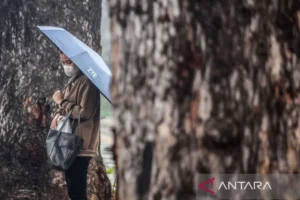
Essential Guidelines for Protecting Yourself During Volcanic Ash Fallout and Mitigating Long-Term Health Risks


Volcanic eruptions are among nature’s most formidable geophysical events, capable of ejecting millions of tons of pulverized rock, minerals, and volcanic glass—collectively known as tephra or volcanic ash—into the atmosphere. When these particles are carried by wind currents, they can settle hundreds of kilometers from the primary vent, creating a hazardous environment for communities residing far beyond the immediate exclusion zone. Unlike common household dust, volcanic ash is jagged, abrasive, and often chemically acidic, posing significant threats to respiratory health, ocular integrity, and critical infrastructure. As geological activity remains a constant variable in regions near active volcanic arcs, understanding the precise mechanisms of protection and the protocols for mitigation is essential for public safety.
The Composition and Health Hazards of Volcanic Tephra
Volcanic ash is not merely "ash" in the sense of organic combustion residue. It consists of microscopic fragments of rock, mineral crystals, and volcanic glass smaller than two millimeters in diameter. Because these particles are formed by the rapid expansion of gas within magma, they are often sharp and highly irregular.
When inhaled, these fine particles can penetrate deep into the pulmonary system. For the general population, this manifests as throat irritation, coughing, and bronchitis-like symptoms. However, for vulnerable groups—including children, the elderly, and individuals with pre-existing chronic obstructive pulmonary disease (COPD) or asthma—exposure can trigger severe respiratory distress or life-threatening exacerbations. Furthermore, the surfaces of ash particles can be coated with soluble chemicals such as sulfur dioxide or fluorine, which can cause chemical burns to the mucous membranes and eyes upon contact.
Chronology and Escalation of Volcanic Fallout
The impact of volcanic fallout typically follows a predictable, albeit rapid, timeline. The initial phase is characterized by the atmospheric release of ash plumes, which can reach the stratosphere. As the plume cools and loses velocity, gravity causes the particles to descend, a process that can last from several hours to several days depending on the volume of the eruption and wind speed.
The secondary phase involves the resuspension of ash. Once settled, the material does not remain inert. Wind, vehicle movement, and human activity can kick settled ash back into the air, creating a persistent respiratory hazard that lingers long after the eruption has ceased. Consequently, the period immediately following the eruption is often the most critical for public health interventions, as this is when the density of suspended particulate matter is at its highest.
Strategic Defensive Protocols: A Tiered Approach
To minimize the physiological impact of volcanic fallout, emergency management agencies, including the Centers for Disease Control and Prevention (CDC) and various national geological surveys, emphasize a tiered approach to protection.
1. Environmental Control and Indoor Containment
The primary directive for those in the path of fallout is to achieve effective indoor isolation. Citizens are advised to retreat indoors immediately upon the onset of ashfall. This requires sealing the perimeter of the living space: closing all doors, windows, and fireplace dampers. Crucially, the HVAC systems—including central air conditioning, ventilation fans, and air purifiers that draw air from outside—must be deactivated. By creating an airtight seal, residents prevent the infiltration of fine particulates into the interior environment, which is essential for maintaining a clean "safe zone."
2. Advanced Respiratory Protection
If evacuation or essential outdoor activity is unavoidable, standard cloth masks or surgical masks are insufficient. The fine, abrasive nature of volcanic ash necessitates the use of NIOSH-approved N95 or P100 respirators. These devices are designed to filter out at least 95 percent of airborne particles. A critical, yet often overlooked, factor is the seal of the respirator. If the device does not sit flush against the bridge of the nose and the cheeks, the effectiveness is severely compromised. Facial hair can interfere with this seal, rendering the protection ineffective.
3. Ocular and Dermal Safety
Ocular irritation is one of the most common complaints following an ash event. The abrasive particles can cause corneal abrasions if they enter the eye. To mitigate this, the use of airtight goggles is strongly recommended over standard prescription eyeglasses or contact lenses. Contact lenses should be avoided entirely, as ash can become trapped between the lens and the cornea, causing severe damage. For the skin, full-body coverage—long sleeves, long trousers, and hats—is necessary to prevent the chemical irritation often associated with acidic volcanic particles.
Broader Implications for Infrastructure and Economy
The impact of volcanic ash extends well beyond human health. Infrastructure, particularly transportation and energy grids, faces significant disruption.
- Transportation Hazards: Volcanic ash acts as an abrasive, causing rapid wear on engine components and intake filters. Furthermore, ash reduces visibility to near-zero levels and significantly decreases traction on road surfaces, mimicking the conditions of black ice. Authorities strongly advise against vehicular travel during heavy fallout to prevent engine failure and road accidents.
- Structural Integrity: One of the most significant, yet often underestimated, dangers is the weight of the ash. When ash becomes wet, it gains significant mass, potentially leading to roof collapses. However, the cleaning of roofs is a high-risk activity that should only be undertaken with proper training and equipment, as it involves both the risk of falling and the risk of inhaling resuspended ash.
- Utility Contamination: Water supplies are highly susceptible to contamination. Ash can increase the acidity of water and introduce heavy metals. Consequently, municipal water supplies must be monitored, and private cisterns or open water sources should be covered immediately.
Official Response and Public Compliance
Governmental bodies, including the Geological Agency and the National Disaster Management Agency (BNPB), utilize sophisticated monitoring networks to track plume trajectories and seismic activity. The information disseminated by these agencies is based on real-time satellite imagery and ground-based seismic sensors.
Public adherence to these official directives is the cornerstone of disaster mitigation. Misinformation regarding the "safety" of an area can lead to unnecessary loss of life. Citizens are advised to rely exclusively on official channels for updates regarding evacuation routes and, conversely, instructions on when it is safe to return to affected areas. The decision-making process for these zones is dynamic and reflects the evolving nature of the volcanic event; therefore, static assumptions about safety should be discarded in favor of current, official data.
Long-term Health Monitoring
While the immediate threat of ash inhalation is acute, there are long-term considerations for communities in high-risk zones. Repeated exposure to fine volcanic particulates may be linked to chronic respiratory conditions. Public health systems in volcanic regions are increasingly focusing on the longitudinal tracking of respiratory health among the affected population.
Individuals who have been exposed to high levels of ash and experience persistent symptoms—such as chest tightness, chronic wheezing, or recurring eye infections—are urged to seek medical evaluation. Early intervention can prevent the development of long-term pulmonary scarring or chronic inflammatory responses.
Conclusion
The threat of volcanic ash is a persistent challenge that requires a combination of individual vigilance and collective disaster preparedness. By prioritizing indoor containment, utilizing professional-grade respiratory protection, and adhering strictly to the guidelines provided by geological and emergency authorities, communities can significantly reduce their exposure to these hazardous particulates. As we continue to inhabit regions with active volcanism, the integration of these protective measures into standard emergency preparedness plans remains the most effective defense against the unpredictable nature of volcanic fallout. The objective is clear: by minimizing exposure through disciplined action, the risks posed by even the most significant eruptions can be successfully managed and mitigated.