
Tag South African Politics
Navigating the Currents: An In-Depth Analysis of South African Politics
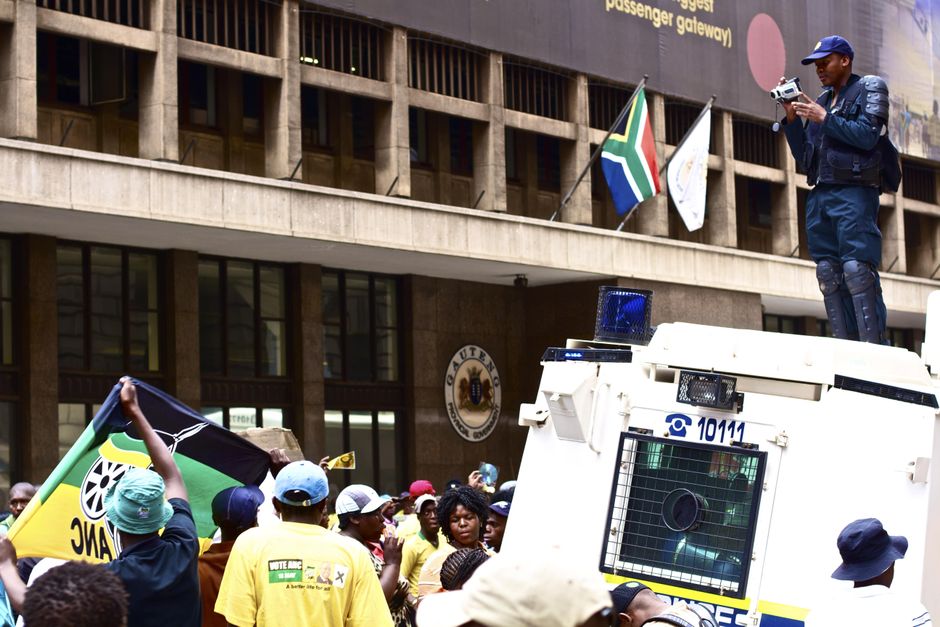
South African politics is a complex and dynamic arena, shaped by its tumultuous history of apartheid, its subsequent transition to democracy, and the ongoing challenges of socio-economic inequality, corruption, and governance. At its core lies the African National Congress (ANC), the dominant political party since 1994, navigating a landscape increasingly characterized by internal factionalism, growing opposition from parties like the Democratic Alliance (DA) and the Economic Freedom Fighters (EFF), and the persistent demands of a populace grappling with high unemployment, poverty, and a widening wealth gap. The foundational principles of the post-apartheid constitution, emphasizing human rights, equality, and a developmental state, continue to be the bedrock upon which political discourse and policy are debated, yet their practical implementation is frequently tested by the realities of power, resource allocation, and the enduring legacy of systemic discrimination. Understanding the intricacies of this political ecosystem necessitates a deep dive into the historical context, the contemporary power players, the major policy debates, and the socio-economic factors that exert significant influence.
The enduring dominance of the ANC, while a testament to its role in dismantling apartheid, has also led to a concentration of power and, in recent years, significant criticisms regarding accountability and service delivery. The party’s internal dynamics, often characterized by factional struggles for leadership and influence, directly impact its policy direction and its ability to govern effectively. The concept of "factionalism" is not merely a descriptor of internal disagreements; it represents deep-seated ideological and patronage networks that can either drive policy innovation or stifle progress depending on their alignment. The rise of figures like Jacob Zuma and his subsequent impeachment and ongoing legal battles have profoundly shaped the ANC’s trajectory, exposing vulnerabilities and fueling public disillusionment. The party’s electoral performance, while still commanding a majority, has shown a declining trend, signaling a growing dissatisfaction among segments of the electorate. This decline is not a monolithic phenomenon but reflects a complex interplay of factors including perceptions of corruption, the perceived failure to address pressing socio-economic issues, and the increasing effectiveness of opposition parties in articulating alternative visions.
The Democratic Alliance (DA) represents the primary opposition force, advocating for a more liberal, free-market approach to governance, emphasizing good governance, fiscal discipline, and individual liberties. Its appeal largely resides in urban centers and among certain demographics who value its emphasis on meritocracy and its strong stance against corruption. However, the DA faces the persistent challenge of shedding its historical image as a party primarily representing white interests and expanding its support base to include the majority Black African population. Its electoral gains have been incremental, often dependent on capitalizing on ANC missteps rather than a wholesale embrace of its policies by the broader electorate. Internal debates within the DA regarding its ideological positioning and its approach to racial redress also present significant challenges, impacting its ability to present a unified and compelling alternative to the ANC. The party’s success hinges on its ability to resonate with the aspirations of a diverse electorate and to effectively communicate its policy proposals as viable solutions to South Africa’s multifaceted problems.
The Economic Freedom Fighters (EFF), led by Julius Malema, presents a more radical, populist platform, advocating for policies such as land expropriation without compensation, nationalization of key industries, and increased social spending. The EFF has rapidly gained prominence by tapping into the frustrations of young, unemployed South Africans and those who feel marginalized by the existing economic system. Its confrontational style and its focus on economic redistribution have resonated with a significant portion of the electorate, particularly in areas with high levels of poverty and inequality. The EFF’s political strategy often involves disruptive tactics in Parliament and public discourse, aiming to force the ANC to address its core demands. While its policy proposals are often met with skepticism from business and international investors, they undeniably highlight the urgent need for more equitable economic policies. The EFF’s influence extends beyond its parliamentary representation, shaping public discourse and pushing other parties, including the ANC, to consider more radical redistributionist measures.
Beyond the major parties, South Africa’s political landscape includes a multitude of smaller parties, representing diverse interests and ideologies. These parties, while not holding significant parliamentary power individually, can play crucial roles in coalition governments at municipal and provincial levels, influencing policy outcomes and providing a platform for alternative perspectives. The fragmentation of the political spectrum, while indicative of a vibrant democracy, also presents challenges in forming stable governing coalitions and implementing coherent policy agendas. The emergence of new parties and the shifting allegiances of voters underscore the fluid nature of South African politics and the constant search for effective representation and governance. The impact of these smaller parties on national discourse, while often overshadowed by the larger players, should not be underestimated, as they can introduce niche issues and force broader debates.
The ongoing struggle with corruption remains a defining characteristic of South African politics. Allegations of state capture, the misuse of public funds, and the pervasive influence of patronage networks have eroded public trust and hampered service delivery. The Zondo Commission of Inquiry into State Capture, while a significant step towards accountability, has highlighted the systemic nature of corruption and the deep entanglement of political and economic power. Combating corruption requires not only robust legal and institutional frameworks but also a fundamental shift in political culture and a commitment to transparency and accountability at all levels of government. The economic implications of corruption are profound, diverting resources from essential public services, deterring investment, and exacerbating inequality. The perception of impunity for those involved in corrupt activities further fuels public anger and cynicism.
Socio-economic inequality is another persistent challenge that deeply influences South African politics. The legacy of apartheid continues to manifest in stark disparities in wealth, income, education, and healthcare access. High unemployment, particularly among young people, fuels social unrest and political discontent. Policy debates frequently revolve around strategies to address these inequalities, including affirmative action, Black Economic Empowerment (BEE), land reform, and social welfare programs. The effectiveness and fairness of these policies are subjects of intense scrutiny and debate, with critics arguing that some have been poorly implemented or have led to unintended consequences. The stark contrast between the affluent few and the impoverished many forms a significant backdrop to all political discussions and electoral campaigns, with parties vying to present credible solutions to this deeply entrenched problem.
The South African Reserve Bank (SARB) and its mandate to ensure price stability and financial sector stability operate within a politically charged environment. Debates surrounding monetary policy, including interest rates and inflation targets, are often influenced by political considerations and the pressure to stimulate economic growth and create jobs. The SARB’s independence is a cornerstone of its credibility, but its decisions are invariably scrutinized by political actors seeking to achieve different economic outcomes. Similarly, the National Treasury plays a critical role in fiscal policy, managing government expenditure and revenue. Its decisions on taxation, borrowing, and public spending are subject to intense political negotiation and influence, particularly in the context of competing demands for resources and the need to address pressing social and economic challenges. The interplay between these institutions and the political executive is a delicate balance, with implications for economic stability and long-term prosperity.
The judiciary, as an independent arm of the state, plays a crucial role in upholding the rule of law and ensuring that government actions are constitutional. The Constitutional Court, in particular, has been instrumental in shaping South African jurisprudence and protecting fundamental rights. However, the judiciary itself is not immune to political pressures and debates, particularly concerning its interpretation of the law and its role in resolving disputes between different political actors and societal groups. The appointment of judges, the perceived politicization of judicial decisions, and the enforcement of court rulings can all become subjects of political contention. A robust and independent judiciary is a vital bulwark against potential abuses of power and a guarantor of democratic principles, but its effectiveness is dependent on its perceived impartiality and the respect it commands from all political actors.
The evolving relationship between South Africa and the rest of the African continent, as well as its engagement with global powers, also forms an important dimension of its political landscape. South Africa plays a significant role in regional organizations such as the Southern African Development Community (SADC) and the African Union (AU), influencing continental policy and mediating regional conflicts. Its foreign policy decisions, including its stance on issues such as trade, security, and human rights in other African nations, are often shaped by domestic political considerations and its perceived national interests. Furthermore, South Africa’s economic and political relationships with major global powers, including China, the United States, and the European Union, are subject to ongoing negotiation and adaptation, reflecting the shifting global geopolitical landscape and South Africa’s aspirations for influence and development. These international engagements are increasingly viewed through the lens of national economic development and the pursuit of a more equitable global order.
The discourse around national identity and reconciliation remains a significant, albeit often latent, force in South African politics. The legacy of apartheid has created deep social divisions, and the ongoing process of building a unified, non-racial society is a complex and protracted undertaking. Political rhetoric and policy initiatives frequently engage with themes of nation-building, social cohesion, and the redress of historical injustices. While significant progress has been made since 1994, the scars of the past continue to influence intergroup relations and political attitudes. The way in which political parties frame issues of race, identity, and historical redress can significantly impact their electoral appeal and their ability to foster a sense of shared national purpose. The enduring relevance of this discourse underscores the fact that South Africa’s political journey is not solely about current policy debates but is deeply intertwined with its unresolved historical grievances and its aspirations for a more inclusive future.
Ultimately, South African politics is a constant negotiation between historical legacies, present-day challenges, and future aspirations. The interplay of powerful political parties, the persistent struggle against corruption and inequality, and the evolving social and economic landscape create a dynamic and often unpredictable environment. The strength of its constitutional framework and the resilience of its democratic institutions provide a foundation, but the ongoing efficacy and legitimacy of its political system depend on its ability to deliver tangible improvements in the lives of its citizens and to foster a more equitable and just society. The continuous engagement with these complex issues, driven by a diverse and vocal electorate, ensures that South African politics remains a subject of ongoing analysis and a critical indicator of the continent’s broader developmental trajectory. The constant pressure from civil society, academic institutions, and an active media also plays a crucial role in holding power to account and shaping the direction of political discourse.
