
Tag Whole Chicken Recipes
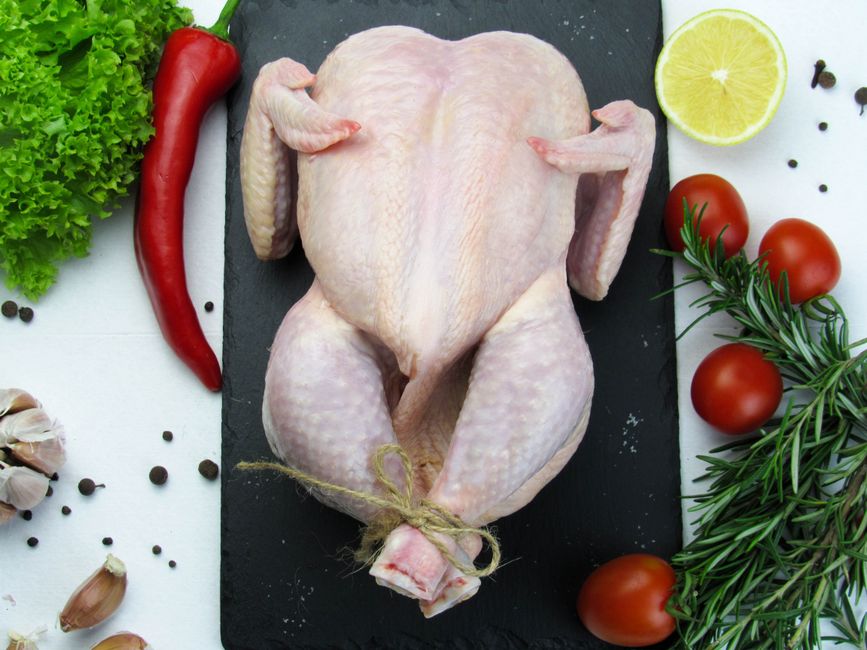
The Ultimate Guide to Whole Chicken Recipes: Mastering Flavor, Versatility, and Efficiency
Cooking a whole chicken is a culinary cornerstone, offering unparalleled flavor, remarkable versatility, and impressive cost-efficiency. This comprehensive guide explores a spectrum of whole chicken recipes, from classic roasting techniques to innovative methods that maximize taste and minimize effort. We delve into the science behind achieving succulent, perfectly cooked poultry, discuss essential seasonings and marinades, and highlight how to utilize every part of the bird for maximum flavor and minimal waste. Mastering whole chicken preparation unlocks a world of delicious possibilities, catering to weeknight meals, elegant dinners, and budget-conscious cooking.
The Foundation: Understanding Whole Chicken Anatomy and Cooking Principles
A whole chicken, typically ranging from 3 to 5 pounds, comprises several distinct parts, each with its own ideal cooking temperature and time. Understanding this anatomy is crucial for achieving uniform doneness and preventing dry or undercooked sections. The breast meat is leaner and cooks faster than the darker thigh and leg meat. The skin, when properly rendered, provides a crucial layer of flavor and a desirable crispy texture. Key cooking principles for whole chicken revolve around even heat distribution and moisture retention. Roasting, the most traditional method, relies on dry heat in an oven, while methods like spatchcocking (butterflying) promote faster and more even cooking. Braising involves slow, moist cooking, resulting in incredibly tender meat.
Essential Seasoning and Flavor Development for Whole Chicken
The magic of a whole chicken recipe often lies in its seasoning. A simple yet effective approach is to liberally salt and pepper the exterior and interior cavity. However, the possibilities for flavor development are vast. Herbs like rosemary, thyme, sage, and parsley are classic pairings. Garlic, both whole cloves tucked into the cavity and minced into rubs, adds pungent depth. Citrus, such as lemons or oranges, imparts brightness and can help tenderize the meat. Spices, ranging from paprika and cumin for warmth to chili powder and cayenne for heat, offer endless customization. Creating a flavorful butter or herb rub and gently loosening the skin to spread it underneath is a highly recommended technique for infusing flavor directly into the breast meat and ensuring crispy skin. Marinades, while requiring more planning, can also deeply penetrate the meat, offering complex flavor profiles. Consider yogurt-based marinades for tenderization and acidity, or soy-based marinades for umami richness.
Classic Roast Whole Chicken: The Timeless Appeal
The classic roast whole chicken is an enduring favorite for good reason. It’s relatively simple to prepare and yields a universally loved result. The foundational recipe involves preheating the oven to a moderate temperature, typically around 400-425°F (200-220°C). The chicken is seasoned inside and out, and often stuffed with aromatics like lemon halves, onion wedges, and garlic cloves. Trussing the chicken, or tying its legs together, helps it cook more evenly and presents a more aesthetically pleasing final product. Roasting time varies depending on size, but a general guideline is about 20 minutes per pound at 400°F. Crucially, resting the chicken after cooking is paramount. Allowing it to rest for 10-15 minutes loosely tented with foil redistributes the juices, ensuring moist and tender meat. Drippings collected in the roasting pan can be transformed into a flavorful pan sauce by deglazing with wine or broth and thickening.
Spatchcocked (Butterflied) Chicken: The Speed and Evenness Champion
Spatchcocking, or butterflying, a whole chicken is a game-changer for those seeking faster cooking times and exceptionally even results. This technique involves removing the backbone of the chicken and flattening it out. The primary benefit is exposing more surface area to the heat, allowing both the dark and white meat to cook at similar rates. To spatchcock, place the chicken breast-side down and use kitchen shears or a sharp knife to cut along each side of the backbone, removing it entirely. The chicken can then be pressed flat. Seasonings can be applied directly to the skin and flesh. Spatchcocked chicken is ideal for high-heat roasting, often at 450-475°F (230-245°C), leading to significantly reduced cooking times, often as little as 45-60 minutes for a 3-4 pound bird. The flattened shape also allows for better browning and crisping of the skin.
Braised Whole Chicken: Unlocking Unparalleled Tenderness
Braising is a slow-cooking method that yields incredibly tender and flavorful chicken, perfect for dishes where the meat will be shredded or served with a rich sauce. In this approach, the chicken is first browned in a heavy-bottomed pot or Dutch oven, then submerged in a flavorful liquid – such as broth, wine, cider, or even beer – along with aromatics like onions, carrots, celery, and herbs. The pot is then covered and cooked at a low temperature in the oven or on the stovetop for several hours. The extended cooking time breaks down the connective tissues in the darker meat, resulting in a fall-off-the-bone texture. Braised chicken is exceptionally forgiving, as the moist environment prevents the meat from drying out. This method is particularly well-suited for dishes like coq au vin, chicken cacciatore, or simple shredded chicken for tacos or sandwiches.
Rotisserie Whole Chicken: The Quest for Crispy Skin and Juiciness
Achieving perfectly crispy skin and incredibly juicy meat is the hallmark of a great rotisserie chicken. The rotating motion ensures continuous basting, as the chicken’s own juices are distributed evenly over the surface. This method is ideal for ovens equipped with a rotisserie function, or for dedicated rotisserie grills. The key to success lies in proper preparation. Season the chicken generously inside and out, and consider tucking aromatics into the cavity. Secure the chicken firmly onto the rotisserie spit to prevent it from slipping. Preheat the oven or grill to a moderate temperature, around 350-375°F (175-190°C). The cooking time will depend on the size of the chicken and the heat source, but generally takes 1.5 to 2 hours. Regularly check the internal temperature, aiming for 165°F (74°C) in the thickest part of the thigh.
Utilizing the Entire Chicken: Nose-to-Tail Cooking for Flavor and Sustainability
One of the most significant advantages of cooking a whole chicken is the opportunity for nose-to-tail utilization, maximizing flavor and minimizing waste. Beyond the roasted meat itself, the carcass and bones are invaluable for creating rich homemade chicken stock, a fundamental ingredient for soups, sauces, and gravies. Simply place the cleaned carcass and any vegetable scraps (onion skins, carrot peels, celery ends) in a large pot, cover with water, add aromatics, and simmer for several hours. The giblets (heart, liver, gizzards), often found in a packet inside the cavity, can be used to enrich pan sauces or for dishes like Southern-style gravy. Even the chicken skin, when rendered crispy through roasting or frying, can be a delightful snack or a flavorful garnish.
Beyond the Basics: Innovative Whole Chicken Recipes and Flavor Pairings
The foundational techniques of roasting, spatchcocking, and braising open the door to a vast array of creative whole chicken recipes. Consider global influences: a lemon-herb butter chicken, an Indian-spiced tandoori-style chicken, or a Mexican-inspired pollo asado. Stuffing the cavity with ingredients beyond simple aromatics can add another dimension of flavor. Try stuffing with a wild rice pilaf, a mushroom and herb bread stuffing, or even chunks of fruit like apples or pears for a sweet and savory contrast. Marinades offer another avenue for innovation. Think of a smoky paprika and chipotle marinade for a Southwestern flair, or a ginger-sesame marinade for an Asian-inspired dish. Consider smoking a whole chicken for an intensely flavorful, tender result, using wood chips like hickory or applewood for added complexity.
Tips for Perfect Whole Chicken Every Time
- Bring to Room Temperature: Allow the chicken to sit at room temperature for 30-60 minutes before cooking. This promotes more even cooking.
- Pat Dry Thoroughly: For crispy skin, pat the chicken extremely dry with paper towels before seasoning and cooking.
- Don’t Overcrowd the Pan: When roasting, ensure adequate space around the chicken for air circulation, leading to better browning.
- Use a Meat Thermometer: This is the most reliable way to ensure the chicken is cooked to a safe and desired internal temperature (165°F or 74°C). Insert it into the thickest part of the thigh, avoiding the bone.
- Rest, Rest, Rest: As mentioned, resting is crucial for juicy meat. Don’t skip this step.
- Embrace the Drippings: The flavorful drippings in the roasting pan are a goldmine for creating pan sauces and gravies.
- Consider a Chicken Roasting Rack: These racks elevate the chicken, allowing hot air to circulate around it for more even cooking and crispier skin.
- Experiment with Brining: Both wet and dry brining can significantly enhance moisture and flavor.
Conclusion
Mastering whole chicken recipes is an attainable and rewarding culinary endeavor. From the comforting familiarity of a classic roast to the impressive efficiency of spatchcocking and the unparalleled tenderness of braising, each method offers unique benefits. By understanding the fundamentals of chicken anatomy, embracing diverse seasoning techniques, and utilizing every part of the bird, home cooks can consistently produce delicious, cost-effective, and versatile meals. The journey into whole chicken cooking is a continuous exploration of flavor, texture, and culinary creativity, yielding impressive results that are sure to delight.
