Panduan Lengkap Waktu Pelaksanaan Sholat Istisqo Berdasarkan Dalil Sahih dan Pandangan Ulama


The scorching heat of prolonged droughts and the pressing need for precipitation frequently prompt Muslim communities worldwide to turn to spiritual remedies alongside technical water management solutions. Among the most prominent religious observances during severe dry spells is the Istisqa prayer, a special congregational supplication performed to request rainfall from the Almighty. Understanding the precise timing, jurisprudential nuances, and traditional procedures of this prayer is essential for communities seeking to fulfill the ritual correctly. As climate anomalies increasingly disrupt traditional weather patterns across various regions, theological guidance on executing the prayer for rain remains vitally relevant for millions of believers navigating environmental crises.
The primary objective of Salat al-Istisqa is humble supplication during periods of ecological distress, agricultural failure, or severe water scarcity. While modern meteorology relies on cloud seeding, reservoir management, and irrigation systems to combat dry conditions, Islamic tradition emphasizes turning to God in repentance and collective prayer when natural water sources dwindle. According to official guidelines from religious authorities such as the Ministry of Religious Affairs, the prayer is an established Sunnah mu’akkadah—a highly recommended prophetic tradition—instituted precisely when arid conditions threaten human life, livestock, and crops.
Prophetic Tradition and the Timing of Salat al-Istisqa
Determining the exact timeframe for performing the Istisqa prayer requires careful examination of established hadiths, prophetic practices, and subsequent scholarly interpretations. The foundational baseline for the timing of the prayer is derived from accounts detailing the actions of Prophet Muhammad. Historical records indicate that the Messenger of God typically performed the prayer during the morning hours after the sun had fully risen, mirroring the schedule of the Eid al-Fitr and Eid al-Adha festivals.
A prominent narration transmitted by Aisyah radiallahu anha describes the commencement of the prophetic ritual. The text notes that the Prophet sallallahu alayhi wa sallam emerged for the Istisqa prayer when the edge of the sun first became visible above the horizon. This specific benchmark establishes that the morning hours mark the standard commencement point for the ritual. However, because prophetic texts often describe specific historical incidents rather than rigid absolute laws, subsequent generations of Islamic jurists engaged in extensive analytical discourse to establish broader parameters, resulting in multiple scholarly perspectives regarding the permissible duration of the prayer window.
Jurisprudential Perspectives on the Prayer Window
Islamic jurisprudence accommodates varying interpretations based on different scholarly schools of thought and textual analyses. Regarding the conclusion of the prayer window, contemporary and classical scholars generally categorize opinions into three distinct schools of thought.
The first and most widely practiced viewpoint dictates that the time for Salat al-Istisqa mirrors the timeframe established for Eid prayers. Under this ruling, the prayer may begin shortly after sunrise—once the sun has ascended to the height of a spear—and extends until the onset of the midday Zuhur prayer. Proponents of this view emphasize the structural similarity between the Eid prayers and the Istisqa prayer, noting that both are congregational outdoor gatherings featuring specific sermons and collective supplications. Consequently, communities following this methodology traditionally gather in open fields or public squares during the mid-morning hours.
The second scholarly perspective extends the permissible timeframe significantly further into the day. According to this interpretation, the prayer can be conducted from sunrise continuously until immediately before the commencement of the Asr afternoon prayer. While this stance broadens the operational window for communities facing logistical challenges in organizing morning gatherings, most jurists within this tradition still strongly recommend completing the ritual during the standard morning hours to align most closely with the established practice of the Prophet.
The third perspective argues that Salat al-Istisqa does not possess a rigid, bounded time constraint. Prominent scholars, particularly within the Shafi’i school of jurisprudence, maintain that the prayer can be performed at any time of day or night, provided it avoids universally prohibited prayer periods. This flexible stance recognizes that severe droughts and agricultural emergencies require immediate spiritual intervention without restrictive scheduling bottlenecks, thereby empowering local religious leaders to call for the prayer whenever communal need dictates.
Prohibited Times for Worship and Scheduling Precautions
Despite the flexibility offered by certain scholarly opinions, Islamic jurisprudence universally prohibits performing voluntary or specific prayers during specific periods of the day, regardless of the urgency of the circumstances. These forbidden intervals include when the sun is directly overhead at its zenith before beginning its westward declination, during the actual process of sunrise, and while the sun is setting on the horizon.
Even adherents of the broader timeframes must structure their community prayer schedules to respect these theological boundaries. Religious authorities consistently advise organizers to avoid scheduling the ritual precisely at noon or during the twilight transitions. Ensuring that the gathering takes place during the permitted morning or early afternoon hours safeguards the formal validity of the religious observance while maintaining reverence for established liturgical guidelines.
Chronology of Ritual Execution and Community Practices
The logistical execution of Salat al-Istisqa follows a structured sequence distinct from standard daily prayers. Historical narrations, including those reported by Abu Hurairah radiallahu anha, outline the specific format demonstrated by the Prophet Muhammad. The ritual does not utilize the traditional call to prayer, known as the adhan, nor the secondary call, known as the iqamah. Instead, participants assemble quietly in the designated open area at the appointed hour.
The chronological flow of the service typically proceeds through several defined stages:
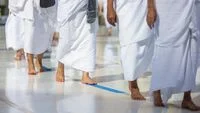
- Gathering and Preparation: The community congregates in an open field, wearing modest attire, and engaging in silent remembrance and repentance.
- The Congregational Prayer: The prayer leader, or imam, leads the congregation in two units of prayer, or rakaat, performed aloud without adhan or iqamah.
- The Khutbah (Sermon): Following the prayer, the imam delivers a sermon that emphasizes seeking forgiveness, abandoning sins, increasing charity, and turning back to God.
- The Supplication (Dua): The climax of the gathering involves prolonged, collective supplication where the imam and the congregation raise their hands high, often turning their cloaks inside out or reversing their positions as a physical symbol of transformation and pleading for divine mercy.
This procedural framework highlights that the Istisqa prayer functions not merely as a mechanical petition for water, but as a comprehensive social and spiritual reset for the community, encouraging solidarity, introspection, and behavioral reform.
Broader Implications of Climate Vulnerability and Spiritual Resilience
The persistence of prolonged dry spells and erratic weather systems carries severe socioeconomic implications for developing nations and agrarian economies worldwide. Crop failures, livestock mortality, plummeting groundwater tables, and heightened risks of wildfires threaten food security and rural livelihoods. In response to these modern ecological crises, communities increasingly integrate modern scientific mitigation strategies with traditional spiritual practices.
From a sociological perspective, the communal gathering mandated by Salat al-Istisqa fosters social cohesion and shared responsibility during environmental hardships. When neighbors, leaders, and vulnerable populations stand shoulder to shoulder in an open field to pray for rain, the event transcends theological observance to reinforce community resilience. It serves as a potent reminder of human dependence on natural ecosystems and atmospheric stability, encouraging a balanced approach to environmental stewardship that pairs active conservation and water resource management with deep-rooted spiritual humility.
Ultimately, while scholarly debates persist regarding the exact terminal hour of the prayer window, the consensus among religious authorities remains clear: Salat al-Istisqa should ideally be performed during the morning hours after sunrise, following the prophetic model, while strictly avoiding forbidden prayer times. Whether viewed through the lens of strict temporal alignment with Eid prayers or through the broader framework of emergency spiritual supplication, the practice remains a vital cultural and religious anchor for communities confronting the unpredictable forces of nature.