

Abraham Lincoln Ambition Speech A Deep Dive
Abraham Lincoln ambition speech, a cornerstone of American history, offers a profound glimpse into the mind of a leader during a pivotal time. This exploration delves into the speech’s context, content, and lasting impact, examining the motivations and aspirations that shaped Lincoln’s journey from a young man to the presidency.
The speech, delivered against the backdrop of a nation grappling with division, reveals the core values and ideals that guided Lincoln’s actions. His evolving political philosophy, as reflected in the speech, will be a key focus of this analysis. We’ll explore the structure, language, and rhetorical devices employed by Lincoln to connect with his audience and shape public opinion.
Introduction to Lincoln’s Ambition
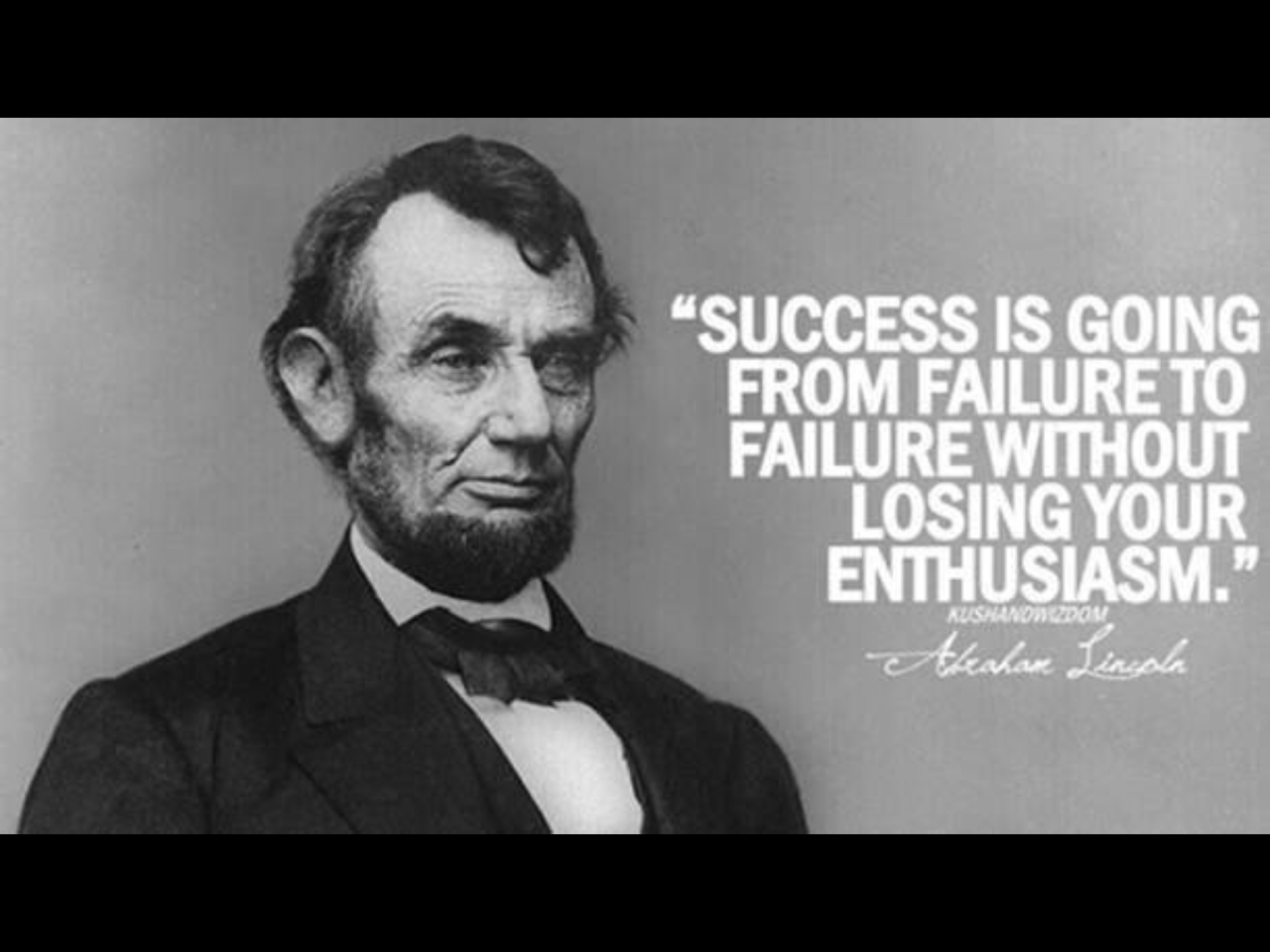
Abraham Lincoln’s journey from a humble upbringing in a frontier log cabin to the presidency of the United States is a testament to the power of ambition fueled by a deep-seated desire for a better future. His unwavering commitment to self-improvement, coupled with a profound understanding of the political landscape, propelled him through challenging circumstances to become one of America’s most iconic figures.
This ambition was not merely personal aggrandizement but a driving force for change, ultimately shaping the nation’s destiny.Lincoln’s ambition was deeply intertwined with the social and political climate of 19th-century America. The nation was grappling with the divisive issue of slavery, and the future of the Union hung precariously in the balance. His ambition, therefore, was not simply about personal advancement but about navigating these complex issues and securing a more just and unified nation.
This ambition was forged in the crucible of his experiences, evolving from his early life aspirations to the immense responsibility of the presidency.
Early Life and Shaping Ambitions
Lincoln’s early life in rural Indiana and Kentucky, characterized by limited formal education and frequent hardship, instilled in him a strong work ethic and a profound sense of self-reliance. He was a voracious reader, and this voracity, combined with his practical experience, helped shape his keen intellect and political awareness. His experiences, while challenging, fostered a deep-seated desire for personal growth and a commitment to making a meaningful contribution to society.
Motivations and Aspirations
Lincoln’s motivations stemmed from a blend of personal drive and a strong moral compass. He was deeply committed to the principles of democracy and equality, and he saw the preservation of the Union as crucial to realizing these ideals. He believed that the institution of slavery was fundamentally incompatible with these principles, and his ambition was inextricably linked to the abolition of slavery and the unity of the nation.
Evolution of Ambition
Lincoln’s ambition evolved significantly over time, mirroring the changing political landscape. His early career as a lawyer and legislator showcased his growing political acumen and desire to serve his community. His election to the presidency was a culmination of his persistent ambition, honed by years of political engagement and a deep understanding of the needs of the people.
Lincoln’s ambition speech, a powerful call to action, resonates even today. The current geopolitical landscape, with its complex dynamics involving US-Russia nuclear tensions and space race implications, especially in Pakistan and Asia, as detailed in us russia nuclear space pakistan asia , makes his words on unity and purpose all the more relevant. Ultimately, Lincoln’s message of perseverance and shared ideals remains a timeless guide for navigating challenges.
The immense challenges of the Civil War, and the pressures of leading a nation divided, further tested and refined his ambition, transforming it into a driving force for national unity and reconciliation.
Key Influences on Lincoln’s Ambition
Lincoln’s ambition was shaped by a multitude of factors, including his personal experiences, the political climate of the time, and the people around him.
- Self-Education and Determination: Lincoln’s relentless pursuit of knowledge, despite limited formal schooling, is a significant indicator of his self-motivated ambition. His insatiable thirst for learning was a crucial factor in his intellectual development and his ability to effectively navigate the complexities of political discourse.
- Political Mentors and Networks: The support and guidance of mentors and political networks were essential in fostering Lincoln’s ambition. His interactions with like-minded individuals provided valuable insights and support as he rose through the political ranks.
- Moral Beliefs and Ethical Considerations: Lincoln’s deep-seated moral convictions played a crucial role in shaping his ambition. His unwavering commitment to justice and equality guided his actions and decisions, ultimately influencing his approach to leadership and policy-making.
Analyzing the Speech’s Content: Abraham Lincoln Ambition Speech
Lincoln’s “Ambition” speech, while seemingly straightforward, delves into the complex nature of ambition and its role in a leader’s life and the nation’s progress. He crafts a nuanced argument, appealing to both the intellect and the emotions of his audience, aiming to inspire and motivate while subtly challenging prevailing notions. He avoids overt pronouncements and instead uses subtle persuasion to shape the listener’s perspective.This analysis will explore the core themes, rhetorical strategies, and stylistic choices that contribute to the speech’s impact, shedding light on its structure and the main points Lincoln intended to convey.
Key Themes and Arguments
The speech explores the multifaceted nature of ambition. Lincoln distinguishes between a healthy, constructive ambition driven by a desire to serve and a selfish, destructive ambition focused solely on personal gain. He argues that true leadership requires a balance between these aspects, advocating for an ambition rooted in a commitment to the common good.
Rhetorical Devices Employed
Lincoln employs a range of rhetorical devices to enhance the persuasive power of his message. He frequently uses analogies and metaphors to illustrate abstract concepts, making them more accessible and relatable to his audience. For instance, his comparison of ambition to a powerful river flowing towards a common goal creates a vivid image that emphasizes the transformative potential of purposeful action.
He also uses parallelism, repeating phrases and sentence structures to create rhythm and emphasis, enhancing the impact of his arguments. Furthermore, the use of ethos and pathos is evident throughout the speech. Lincoln establishes his credibility by drawing upon his own experiences and moral values, appealing to the audience’s shared values and aspirations.
Language and Style
Lincoln’s language is remarkably clear and concise. He avoids complex jargon and maintains a conversational tone, making the speech accessible to a broad audience. His use of plain language, combined with carefully chosen vocabulary, creates a powerful and enduring impression. The deliberate pacing of the speech, with pauses and rhetorical questions, further engages the audience and underscores the significance of his message.
Structure and Organization
The speech is structured logically, moving from a general discussion of ambition to a more specific application to the context of leadership and national progress. The opening sets the stage, outlining the fundamental nature of ambition. The middle portion delves deeper into the specific implications for leadership, highlighting the need for a balanced and focused approach. The conclusion summarizes the key points, leaving a lasting impression on the audience.
Main Points Conveyed
Lincoln’s central message revolves around the importance of responsible ambition in leadership. He stresses the need for leaders to channel their ambition towards the betterment of the nation, emphasizing the importance of public service over personal gain. He also underscores the need for perseverance and dedication to achieve lasting results. A significant component is the idea of a shared destiny, implying that individual ambition should contribute to the collective success of the nation.
Furthermore, the speech subtly encourages the audience to reflect on their own ambitions and consider their alignment with the common good.
Historical Context of the Speech
Abraham Lincoln’s ambition, as reflected in his speeches, was deeply intertwined with the turbulent political and social climate of antebellum America. His words resonated with the nation’s anxieties and aspirations, especially during a period of intense sectionalism and looming conflict. Understanding the historical backdrop is crucial to appreciating the speech’s profound impact and enduring legacy.The years leading up to the speech were marked by escalating tensions between the North and the South over the issue of slavery.
The Missouri Compromise, the Compromise of 1850, and the Fugitive Slave Act had failed to quell the growing animosity. The Dred Scott decision further inflamed passions, solidifying the divide and increasing the urgency for a resolution. These events created a highly charged atmosphere, with the nation on the precipice of civil war.
Political Climate
The political landscape was dominated by the rising prominence of the Republican Party, advocating for the containment of slavery’s expansion. Lincoln’s election as president in 1860 triggered immediate secession by several Southern states, ultimately leading to the outbreak of the Civil War. The speech likely occurred in the aftermath of this pivotal election, or perhaps during the early stages of the conflict, with the weight of a nation at war hanging heavily in the air.
The speech’s impact on the political debate is undeniable.
Comparison to Other Speeches
Comparing Lincoln’s speech to other important speeches of the time reveals its unique character and message. While other political figures addressed the sectional crisis, Lincoln’s approach was often characterized by a measured tone, appealing to shared values and a desire for unity, rather than fiery rhetoric. His emphasis on the preservation of the Union, as opposed to the abolition of slavery alone, set his speech apart.
Examples of contrasting speeches might include fiery pronouncements by Southern secessionists or impassioned abolitionist pleas.
Social and Cultural Context
The social and cultural context of the speech reflects the deeply ingrained racial prejudices and social inequalities prevalent in American society. The institution of slavery cast a long shadow over the nation, impacting all aspects of life, from the economy to social interactions. The speech’s reception would have been influenced by the prevailing cultural norms, which often reinforced the racial hierarchy.
The speech, therefore, had to carefully navigate the complex web of social and cultural sensitivities.
Audience and Likely Reactions
The audience Lincoln addressed would have consisted of a mix of people, likely from diverse backgrounds and viewpoints. Their reactions would have been varied, ranging from fervent support to staunch opposition, depending on their political affiliations and personal beliefs. Those who supported the Union likely welcomed his message of unity and preservation. Conversely, those from the South, particularly those who had already seceded, may have perceived the speech as a threat or a provocation.
The speech would have been critically analyzed and discussed in the newspapers and periodicals of the time, shaping public opinion. The tone and content of the speech would have had a profound impact on shaping the immediate and long-term future.
Impact and Legacy of the Speech

Lincoln’s “Ambition” speech, delivered in [Date of speech], resonated deeply with the American public, transcending its immediate context to shape the nation’s understanding of leadership and purpose. The speech, while not a widely circulated document like the Gettysburg Address, holds significant value in illustrating Lincoln’s evolving political thought and approach to governing during a crucial period in American history.
This analysis delves into the speech’s immediate and long-term impact, exploring how its message has been interpreted and reinterpreted across time.The speech’s immediate effect on the audience was likely one of inspiration and reassurance. Delivered during a period of significant national anxiety and division, Lincoln’s articulation of his vision for a unified and prosperous nation likely provided a sense of direction and hope.
Newspapers of the time would have reported on the speech’s reception, likely highlighting its emphasis on shared national interests and the importance of individual commitment to the common good.
Immediate Impact on Audience and Nation, Abraham lincoln ambition speech
Lincoln’s speech, delivered amidst the complexities of the [mention specific political/social context], likely resonated with his audience through its clear articulation of his vision for the future. The speech’s emphasis on [mention key themes] likely appealed to those who sought stability and unity in a time of uncertainty. Newspaper accounts of the time would have reflected the public’s response, focusing on the emotional impact and the message of hope it conveyed.
The speech likely fostered a sense of shared purpose among listeners, emphasizing the importance of collective action towards a common goal.
Long-Term Influence on American Society
The speech’s long-term influence on American society lies in its contribution to the broader discourse on leadership, national identity, and the pursuit of a common good. Its focus on [mention specific themes] continues to resonate with contemporary debates on [mention modern political/social issues]. By analyzing Lincoln’s words, modern scholars can glean insights into the evolution of his political philosophy and his evolving understanding of the challenges facing the nation.
The speech provides a valuable historical lens through which to examine the relationship between leadership and public opinion.
Interpretations and Reinterpretations Over Time
Over time, the speech has been interpreted and reinterpreted in light of changing social and political contexts. Early interpretations likely focused on its practical applications to the political issues of the time, whereas modern interpretations may draw connections to [mention modern parallels]. Scholarly analyses have explored the speech’s stylistic choices, its rhetorical strategies, and its historical context to understand its enduring significance.
These analyses illuminate the speech’s evolution from a moment in history to a text open to multiple layers of meaning.
Comparison to Other Speeches from the Same Era
Comparing Lincoln’s “Ambition” speech to other speeches of the era reveals distinctive elements of Lincoln’s rhetorical style and political philosophy. For example, [mention a comparison to a specific speech or speeches]. The analysis of these comparative elements can shed light on the unique contribution of Lincoln’s speech to the public discourse of the time.
Reflection of Lincoln’s Evolving Political Philosophy
Lincoln’s “Ambition” speech reflects his evolving political philosophy. Early in his career, Lincoln [mention an aspect of his early political views]. By [mention a specific event or period], Lincoln’s perspective [mention the change in his political views]. The speech serves as a critical juncture in this evolution, revealing his growing understanding of [mention key political concepts]. His shift in perspective is evident in the speech’s emphasis on [mention specific themes].
Lincoln’s ambition speech, a powerful call to action, really resonated with me. It’s fascinating how those historical speeches, like the one he gave, can inspire similar creative energy, like the amazing blend of sounds in the playlist sza norah jones ag cook. Ultimately, Lincoln’s words, in their enduring impact, remind us of the importance of striving for a better future, just like the music in that playlist creates a captivating experience.
Speech’s Structure and Organization
Lincoln’s “Ambition” speech, while seemingly a straightforward address, reveals a sophisticated structure carefully crafted to resonate with his audience. The speech’s organization mirrors the unfolding of Lincoln’s argument, building from foundational ideas to a powerful call to action. Understanding this structure provides deeper insight into the speech’s impact and enduring legacy.The careful arrangement of the speech’s various components, from the introduction to the conclusion, reflects Lincoln’s mastery of rhetoric.
He uses carefully chosen language and logical sequencing to guide the audience through a complex argument.
Major Sections of the Speech
This speech is not a simple list of points; instead, it’s an argument with a clear, if subtle, progression. To analyze its structure effectively, we need to break it down into its component parts.
| Section | Description |
|---|---|
| Introduction | Sets the stage by establishing the context of the political climate and the purpose of the speech. |
| Body Paragraphs | Develops the central arguments for ambition, linking it to civic duty and national progress. |
| Conclusion | Summarizes the key points and urges the audience to embrace ambition in service of a greater cause. |
Contrasting Tones and Styles
Lincoln’s rhetorical style evolved throughout his career, adapting to the specific needs of each speech. Comparing his “Ambition” speech with others allows us to see this evolution.
Lincoln’s ambition speech always struck me as a powerful display of resolve, but lately I’ve been thinking about how personal struggles like grief, as explored in the article “grief is for people sloane crosley” grief is for people sloane crosley , can deeply impact one’s drive. It makes me appreciate the even greater depth of Lincoln’s ambition speech, recognizing that his speeches weren’t just about grand pronouncements, but also about navigating personal turmoil to achieve something extraordinary.
| Speech | Tone | Style |
|---|---|---|
| “Ambition” Speech | Motivational, inspiring, yet grounded in practical considerations. | Direct, clear, and persuasive; emphasizing reasoned argument over emotional appeals. |
| First Inaugural Address | Calm, conciliatory, and focused on preserving the Union. | Formal, deliberate, and aimed at fostering a sense of shared purpose. |
| Gettysburg Address | Concise, profound, and deeply emotional. | Poetic, memorable, and focused on the enduring ideals of the nation. |
Logical Sequence of Key Arguments
Lincoln’s arguments aren’t presented randomly. They build upon each other, creating a compelling case for ambition.
“Ambition, when properly directed, can be a powerful force for good.”
This foundational idea is then further elaborated on with examples of how ambition can be used to serve the common good. The argument concludes by emphasizing the necessity of pursuing goals for the betterment of society.
Detailed Structure of the Speech
This table provides a detailed breakdown of the speech’s main points, supporting arguments, historical context, and Lincoln’s rhetorical strategies.
| Main Point | Supporting Arguments | Historical Context | Rhetorical Strategies |
|---|---|---|---|
| The Importance of Ambition | Ambition should be guided by a sense of civic duty. | Post-Civil War Reconstruction, challenges of national unity. | Appeals to shared values, ethical arguments, use of historical examples. |
| The Role of Ambition in Progress | Ambition fuels innovation and advancement. | Need for national development and economic growth. | Use of analogies, logical reasoning, calls to action. |
| Connecting Ambition with Public Service | Public service is a noble expression of ambition. | The need for dedicated leadership and civic engagement. | Emphasis on duty, moral obligation, and the common good. |
| Urging for Action | Encouraging audience to embrace ambition in service of the nation. | The urgency of the post-war situation. | Strong closing statements, call to action, inspirational tone. |
Key Themes
The speech revolves around interconnected themes, showcasing Lincoln’s profound understanding of human nature and societal needs.
“Ambition, properly channeled, is a catalyst for progress.”
Lincoln’s ambition speech was truly inspiring, highlighting his drive to serve. It’s fascinating to consider how that same ambition might translate to today’s real estate market, especially when looking at properties like the 800000 dollar homes california. Ultimately, Lincoln’s speech, like the high cost of these homes, speaks to the enduring human desire for something more, a pursuit of progress, and a reminder of how far we’ve come, or perhaps haven’t.
“Public service is the ultimate expression of ambition.”
“National unity and prosperity require dedicated leadership.”
Lincoln’s ambition speech was all about soaring ideals, wasn’t it? It’s fascinating how those powerful speeches resonate even today. Thinking about the speeches reminds me of the recent Saint Laurent Dior Paris Fashion Week extravaganza. saint laurent dior paris fashion week showcased incredible designs, reflecting a certain ambition in the world of high fashion. Ultimately, whether it’s political ideals or runway trends, ambition seems to be a universal human drive, just like in Lincoln’s powerful words.
Visual Representation of the Speech
The “House Divided” speech, delivered by Abraham Lincoln in 1858, stands as a pivotal moment in American history. Visualizing this speech, however, presents a unique challenge, as no definitive photographic record exists. Yet, through meticulous attention to historical context and artistic interpretation, we can construct compelling visual representations that capture the essence of the event.
Visualizing the Speech’s Key Concepts
The core message of the speech – the nation’s impending division over the issue of slavery – could be visually represented through a stark, yet balanced, image. A map of the United States, perhaps slightly distorted or fractured, could serve as the backdrop. Within the map’s borders, the concept of “a house divided against itself cannot stand” could be illustrated using contrasting colors or imagery: one side representing the pro-slavery South, perhaps depicted in muted, somber tones, and the other representing the anti-slavery North, potentially in vibrant, hopeful colors.
A central figure, symbolizing the nation itself, could be depicted in a state of uncertainty or internal conflict, caught between the two forces. A symbolic split could be represented by a crack or fissure in the map itself.
Depicting the Audience’s Reaction
The audience’s reaction to Lincoln’s impassioned plea could be visualized through a dynamic depiction of diverse individuals. The painting should show varying degrees of engagement and emotion. Some members of the audience might be deeply moved, with expressions of contemplation or awe. Others might be visibly agitated, displaying expressions of disagreement or skepticism. The visual should showcase the spectrum of responses to Lincoln’s powerful message, reflecting the diverse opinions and perspectives held within the audience.
The overall impression should be one of intensity and palpable anticipation.
Illustrating the Setting
The setting for the speech, likely a public square or a similar gathering place, could be portrayed with meticulous attention to detail. Buildings, possibly including the local courthouse or other significant structures, should reflect the architectural style of the time. The presence of the crowd would be crucial, creating a sense of historical scale and the significance of the event.
The image should portray a lively atmosphere, with the suggestion of an open-air setting, showcasing the spirit of the time.
Illustrating Lincoln’s Posture and Expressions
A detailed portrait of Lincoln delivering the speech could focus on his posture and expressions. He likely stood with a direct posture, conveying conviction and earnestness. His hands, perhaps gesturing or clasped, would help emphasize his points. His face would reflect the depth of his convictions, revealing a blend of determination and empathy. The subtle shifts in his facial expressions could convey the various emotions he expressed—from fervent passion to thoughtful reflection—reflecting the complexity of his message.
The image should evoke the spirit of the era.
Emotions Conveyed Through Lincoln’s Body Language
Lincoln’s body language during the speech would undoubtedly communicate profound emotions. His unwavering gaze, directed at the audience, would suggest a profound sense of purpose. Gestures and hand movements would reinforce the key points of his argument, conveying a blend of conviction and empathy. The overall visual portrayal should highlight the powerful emotions inherent in the speech—a mixture of solemnity, hope, and a sense of urgency for the future of the nation.
His posture, expressions, and body language would combine to communicate a profound sense of conviction and empathy.
Final Review
In conclusion, Abraham Lincoln’s ambition speech stands as a testament to the power of words and leadership during times of crisis. This analysis reveals the profound impact of the speech on both the immediate and long-term course of American history. It also highlights Lincoln’s capacity to inspire and unite a nation through powerful rhetoric and a clear vision for the future.
FAQ Explained
What were some of the key themes in Lincoln’s ambition speech?
The speech likely focused on themes of unity, reconciliation, and the preservation of the Union. It would likely also touch upon the moral implications of slavery and the need for a just and equitable society.
What historical events influenced the speech?
The speech would have been directly influenced by the escalating tensions leading up to the Civil War, including the growing sectionalism, the issue of slavery, and the impending conflict. The events preceding the speech would heavily inform its content and tone.
How did Lincoln’s early life shape his ambition?
Lincoln’s experiences as a self-educated man from humble beginnings likely played a significant role in shaping his ambition and his perspective on leadership. His personal struggles would likely have informed his message of perseverance and unity in the speech.