
How Unwra Funds In Gaza
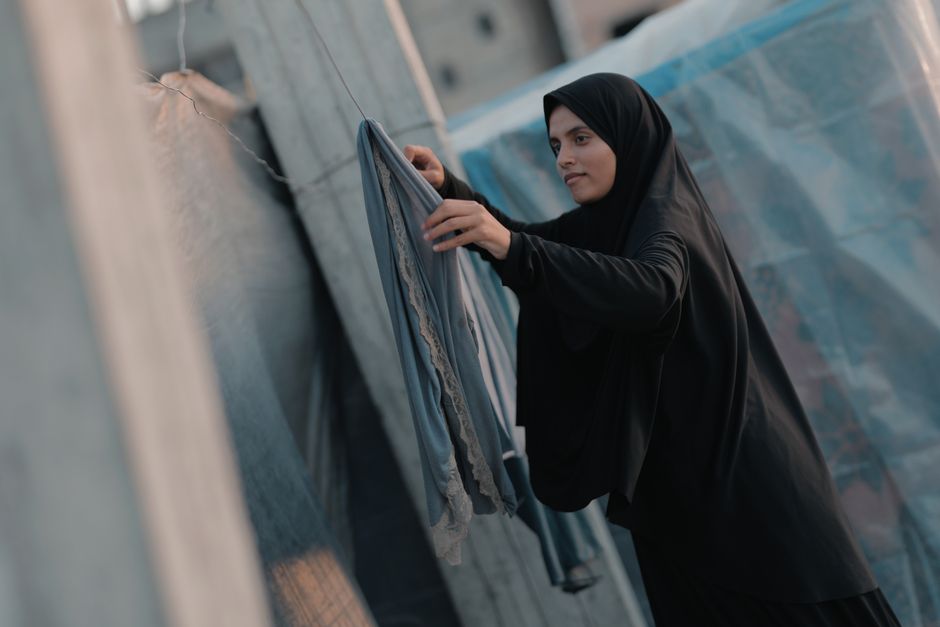
UNRWA Funding in Gaza: A Comprehensive Analysis of Operations, Challenges, and the Humanitarian Imperative
The United Nations Relief and Works Agency for Palestine Refugees in the Near East (UNRWA) plays an indispensable role in the lives of millions of Palestine refugees, particularly within the Gaza Strip, a densely populated enclave facing multifaceted crises. The agency’s operations in Gaza are primarily funded through voluntary contributions from member states, intergovernmental organizations, and private donors. Understanding the intricacies of UNRWA funding in Gaza necessitates an examination of the agency’s mandate, the critical services it provides, the persistent challenges it encounters, and the profound implications of its funding levels for the humanitarian situation.
UNRWA’s mandate, established by the UN General Assembly in 1949, is to provide assistance, protection, and advocacy for Palestine refugees. This mandate encompasses a broad spectrum of essential services, including education, healthcare, relief and social services, infrastructure and camp improvement, and microfinance. In Gaza, these services are not merely supplementary; they represent a lifeline for a population that has endured decades of displacement, blockade, and recurrent conflict. The agency directly employs thousands of individuals within Gaza, predominantly Palestine refugees themselves, thus contributing to local employment and economic stability, however precarious.
Education is a cornerstone of UNRWA’s commitment in Gaza. The agency operates over 280 schools, serving approximately 300,000 students. These schools provide a safe learning environment and a vital sense of normalcy in a context often characterized by trauma and uncertainty. The curriculum adheres to Palestinian Ministry of Education standards, ensuring that students receive a recognized education that can pave the way for future opportunities. Beyond academics, UNRWA schools offer psycho-social support, recreational activities, and health services, addressing the holistic needs of refugee children. The funding allocated to UNRWA’s education sector is crucial for maintaining teacher salaries, procuring learning materials, and ensuring the physical upkeep of school facilities. Fluctuations in funding directly impact the quality and accessibility of this fundamental service.
Healthcare is another critical pillar of UNRWA’s operations in Gaza. The agency manages a network of primary health centers that provide a comprehensive range of medical services, including general consultations, maternal and child health care, treatment of non-communicable diseases, and essential vaccinations. These centers are often the only accessible and affordable healthcare providers for many refugees. UNRWA’s health programs are instrumental in managing public health crises, preventing the spread of diseases, and addressing the significant mental health challenges prevalent among the Gaza population due to protracted conflict and humanitarian distress. The funding for this sector is vital for acquiring medicines, medical supplies, and maintaining operational capacity of health facilities, including crucial emergency services during times of heightened conflict.
Relief and social services provided by UNRWA are designed to address the immediate needs of vulnerable Palestine refugees, particularly those living in extreme poverty. This includes the distribution of food assistance and cash assistance, which are critical for families struggling to meet basic needs like food, shelter, and hygiene. The Agency’s cash assistance programs are designed to empower refugees, allowing them to purchase essential items according to their specific needs, thus injecting vital liquidity into the local economy. The infrastructure and camp improvement program aims to enhance living conditions in refugee camps, addressing issues such as inadequate housing, poor sanitation, and unreliable water supply. These improvements are not only about physical comfort but also about dignity and public health. Funding for these programs directly translates into tangible support that prevents destitution and improves living standards.
The funding of UNRWA in Gaza is a complex and often precarious endeavor. The agency relies heavily on voluntary contributions, meaning its budget is subject to the political will and financial capacity of its donors. This reliance creates inherent instability, making long-term planning and service delivery challenging. Over the years, UNRWA has faced significant funding shortfalls, often exacerbated by geopolitical shifts and donor fatigue. These shortfalls have had direct and devastating consequences on the ground, leading to disruptions in essential services, reduction in food rations, and the suspension of vital projects. The political sensitivities surrounding the Palestine refugee issue also frequently influence donor decisions, making UNRWA’s funding landscape particularly volatile.
Furthermore, the blockade imposed on Gaza since 2007, coupled with recurrent escalations of hostilities, creates an environment that severely hampers UNRWA’s operational capacity and exacerbates the humanitarian needs of the population. The restrictions on the movement of goods and people make it difficult and expensive to import necessary supplies, including medical equipment and construction materials. Damage to UNRWA infrastructure during conflicts necessitates costly repairs and rebuilding efforts, further straining the agency’s limited resources. The economic consequences of the blockade, including high unemployment and poverty rates, increase the demand for UNRWA services, creating a widening gap between needs and available resources.
The challenges associated with UNRWA funding are not solely financial. Accusations and allegations, particularly in recent years, have led to temporary funding freezes by some major donors. These allegations, often unsubstantiated or lacking in due process for the accused, have a profound impact on the agency’s ability to function and deliver aid. UNRWA has consistently maintained that it has robust accountability mechanisms and a commitment to neutrality and transparency. However, the political nature of these accusations often overshadows the agency’s operational realities and the humanitarian imperative. Addressing these allegations through transparent and thorough investigations while ensuring the continuity of critical services remains a significant challenge.
The implications of insufficient UNRWA funding in Gaza are far-reaching and dire. A reduction in educational services can lead to increased dropout rates, with long-term consequences for individual development and societal progress. Depleted healthcare resources can result in the exacerbation of chronic diseases, increased maternal and child mortality, and the spread of infectious diseases. Cuts to relief and social services can push already vulnerable families further into abject poverty, undermining their ability to meet basic survival needs. The lack of investment in infrastructure and camp improvement exacerbates poor living conditions, posing significant health and safety risks. Ultimately, underfunding UNRWA in Gaza is not just about budget lines; it is about condemning a population to continued hardship and despair.
The international community’s commitment to UNRWA funding in Gaza is not merely an act of charity; it is a matter of international law, humanitarian responsibility, and regional stability. The agency’s work is crucial for maintaining a semblance of normalcy and preventing a complete humanitarian catastrophe in Gaza. Sustainable and predictable funding is essential for UNRWA to fulfill its mandate effectively and to provide the essential services that millions of Palestine refugees depend on for their survival and dignity. Diversifying funding sources, exploring innovative financing mechanisms, and ensuring that funding decisions are based on humanitarian needs rather than political considerations are crucial steps towards ensuring the agency’s long-term viability.
The role of UNRWA in Gaza is intrinsically linked to the broader political context and the unresolved Palestine refugee issue. While the agency’s mandate is humanitarian, its funding is undeniably influenced by political dynamics. Advocacy for consistent and adequate funding for UNRWA is therefore not just a plea for humanitarian aid, but also a call for the international community to uphold its responsibilities towards Palestine refugees and to contribute to a more stable and just future for the region. Without sustained and predictable financial support, the humanitarian situation in Gaza will continue to deteriorate, with profound and lasting consequences for the people living there and for regional security.
SEO keywords for this article include: UNRWA funding Gaza, Palestine refugees Gaza, humanitarian aid Gaza, UNRWA operations, Gaza Strip crisis, UNRWA education, UNRWA healthcare, Gaza blockade, refugee assistance Gaza, international aid Palestine, UNRWA challenges, sustainable funding UNRWA, humanitarian imperative Gaza. The article aims to provide a comprehensive overview of UNRWA’s funding mechanisms, the critical services it delivers in Gaza, the significant challenges it faces, and the vital importance of sustained financial support for the well-being and survival of Palestine refugees in the besieged enclave. The detailed analysis of the agency’s operations across various sectors, combined with an examination of the external factors influencing its financial stability, provides a nuanced understanding of the complex realities of humanitarian work in Gaza. The article emphasizes that UNRWA’s funding is not merely a matter of budgetary allocation but a critical determinant of human dignity, access to basic rights, and the prevention of widespread suffering.
