
The Worlds Best Turkey
The Pinnacle of Poultry: Unveiling the World’s Best Turkey
The quest for the world’s best turkey is not a singular destination but a multifaceted journey, encompassing genetics, husbandry, diet, and preparation. While a definitive, universally crowned "best" turkey is subjective and depends on individual palates and culinary traditions, several breeds and farming practices consistently rise to the top, celebrated for their superior flavor, texture, and meat quality. These turkeys are the culmination of generations of selective breeding, meticulous care, and a deep understanding of what makes poultry truly exceptional.
Heritage Breeds: The Foundation of Flavor
At the heart of the pursuit for superior turkey lie heritage breeds. These are traditional varieties, often developed before the mid-20th century when the focus shifted towards rapid growth and white meat production. Heritage breeds, in contrast, are prized for their resilience, adaptability, foraging ability, and, most importantly, their complex and nuanced flavor profiles. Their slower growth rates allow for a more developed muscular structure and a richer distribution of fat, contributing to a more succulent and flavorful final product. Among the most celebrated heritage breeds are:
The Narragansett Turkey, hailing from Rhode Island, is a robust and striking bird recognized for its beautiful slate-gray plumage. This breed is a descendant of crosses between the Eastern Wild Turkey and domestic varieties. Narragansetts are known for their excellent temperament, maternal instincts, and, crucially, their outstanding meat quality. The dark meat is particularly rich and moist, with a distinct savory flavor that surpasses that of most commercial breeds. They are also efficient foragers, thriving on a diet supplemented with pasture, which further enhances their taste. Their slower maturation means a denser muscle structure, resulting in a firmer, more satisfying texture when cooked.
The Bourbon Red Turkey, originating from Kentucky, is easily identifiable by its rich, reddish-bronze plumage. This breed is a product of crossing Bronze turkeys with Buff turkeys. Bourbon Reds are renowned for their exceptional meat, characterized by a deep red hue and a profoundly flavorful, slightly sweet taste. Their meat is tender and succulent, making it a favorite among gourmands. Like the Narragansett, their slower growth contributes to a superior texture and a more complex flavor profile. They are also known for their hardiness and adaptability, excelling in free-range environments.
The Bronze Turkey, particularly the Standard Bronze and the Broad Breasted Bronze, has a long and storied history. The Standard Bronze is a direct descendant of the wild turkey, retaining many of its desirable traits. It is characterized by its magnificent iridescent bronze and copper plumage. This breed is celebrated for its excellent foraging abilities and robust health. The meat of the Standard Bronze is lean yet flavorful, with a good balance of dark and white meat. The Broad Breasted Bronze, while a more modern development, is a hybrid that has been selectively bred for increased breast meat yield. While it has gained popularity for its meat quantity, many purists argue that the Standard Bronze, with its slower growth and more active lifestyle, offers a superior, more authentic turkey flavor. The inherent richness and slightly gamey undertones are hallmarks of a well-raised Bronze turkey.
The Black Turkey, also known as the Black Spanish or Norfolk Black, is one of the oldest turkey breeds in existence, tracing its origins back to Europe. These birds possess lustrous black plumage with iridescent green and purple sheens. The Black Turkey is lauded for its exceptionally tender and flavorful dark meat, often described as having a rich, almost nutty taste. They are known for their adaptability and foraging prowess, contributing to their superior meat quality when allowed to roam and graze. Their meat is remarkably moist, even when cooked to the recommended internal temperature.
The Slate Turkey, with its striking blue-gray plumage, is a relatively rare but highly prized breed. Originating in the United States, this breed is known for its calm disposition and excellent foraging skills. The Slate Turkey’s meat is exceptionally tender and moist, with a delicate yet distinct flavor. Their slower growth rate allows for optimal muscle development and fat marbling, contributing to a succulent eating experience. Some enthusiasts describe the flavor as being less gamey than wild turkeys but more complex than commercial varieties.
Beyond Breed: The Impact of Husbandry
While heritage breeds lay the genetic groundwork for exceptional turkey, the environment and farming practices play an equally critical role in shaping the final product. The "best" turkey is not solely defined by its lineage but by the quality of life it experiences.
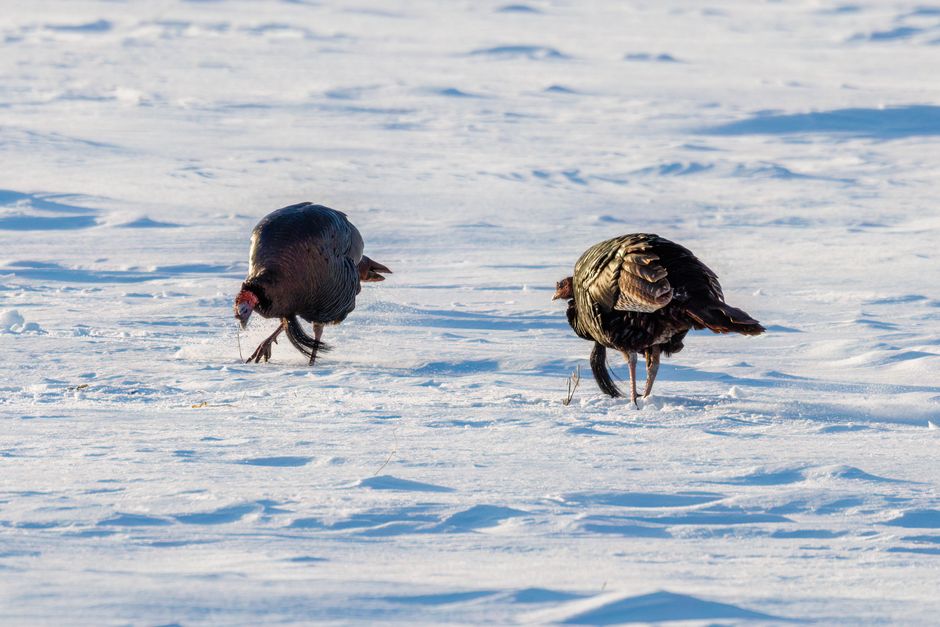
Free-Range and Pasture-Raised Systems: These methods are paramount to achieving the pinnacle of turkey quality. Turkeys allowed to roam freely, forage on grasses, insects, and seeds, and engage in natural behaviors develop a denser muscle structure and a more varied diet. This leads to a richer, more complex flavor profile, increased omega-3 fatty acids, and a firmer, more satisfying texture. The physical activity involved in foraging and exploration enhances muscle development and fat distribution, preventing the watery, bland meat often associated with confined birds. The varied diet introduces subtle nuances of flavor derived from the diverse forage, creating a truly artisanal product.
Diet and Nutrition: The diet of a turkey profoundly influences its flavor and texture. Turkeys raised on a balanced diet of high-quality grains, supplemented with the nutrients they glean from foraging, will naturally have superior meat. Avoidance of excessive antibiotics, growth hormones, and artificial additives is crucial for pure flavor. Some farmers meticulously craft specialized feed blends, incorporating ingredients like corn, barley, peas, and even herbs, to further enhance the natural taste of the turkey. The quality of the feed directly translates to the quality of the meat.
Slow Growth and Maturation: Commercial turkeys are bred for rapid growth, often reaching market weight in as little as 14 weeks. Heritage breeds, conversely, mature slowly, taking 24 to 30 weeks or even longer. This extended growth period allows for proper muscle development and fat marbling, resulting in a denser, more succulent, and flavorful bird. The slow, natural maturation process is a key differentiator for truly exceptional turkeys. It allows the flavors to develop fully within the muscle tissue.
Artisanal Farming and Small-Scale Production: Many of the farms producing the world’s best turkeys operate on a smaller, more artisanal scale. These farmers often have a deep personal connection to their birds, providing individualized attention and ensuring optimal living conditions. Their focus is on quality over quantity, prioritizing the well-being of the turkeys and the integrity of the final product. This hands-on approach, coupled with a dedication to traditional methods, often yields the most exceptional results.
The Preparation Factor: Unlocking Potential
Even the finest turkey requires proper preparation to reach its full potential. The way a turkey is handled from farm to table, and the cooking methods employed, are critical.
Dry-Aging: Similar to beef, dry-aging can significantly enhance the flavor and texture of turkey. This process involves allowing the carcass to age in a controlled, refrigerated environment, which helps to tenderize the meat and concentrate its flavors through moisture evaporation. While less common for turkey than for beef, it is a technique employed by some high-end producers to elevate their product.
Brining: Both wet and dry brining are essential techniques for ensuring a moist and flavorful turkey. Brining helps the meat to retain moisture during cooking, preventing dryness, particularly in the breast meat. The salt and other seasonings in the brine also penetrate the meat, enhancing its flavor. A carefully executed brine can transform even a good turkey into an outstanding one.
Cooking Methods: While roasting is the traditional method, exploring other techniques can unlock different dimensions of flavor. Slow-roasting at lower temperatures, spatchcocking (butterflying) for more even cooking, or even smoking can yield exceptional results. The key is to cook the turkey to the correct internal temperature (165°F or 74°C in the thickest part of the thigh, not touching bone) to ensure safety without overcooking. Understanding the distinct cooking times and needs of dark and white meat is also crucial.
Conclusion:
The world’s best turkey is not a singular entity but a harmonious confluence of superior genetics, ethical and sustainable husbandry, and skillful preparation. Heritage breeds like the Narragansett, Bourbon Red, and Standard Bronze, when raised in free-range or pasture-raised environments with a focus on slow growth and a quality diet, consistently deliver unparalleled flavor and texture. The dedication of artisanal farmers who prioritize the well-being of their birds and the integrity of their product is the final ingredient in this culinary masterpiece. Ultimately, the pursuit of the best turkey is a celebration of tradition, quality, and the profound connection between how an animal is raised and the exquisite taste it offers.
