
Thin And Crispy Oatmeal Raisin Cookies
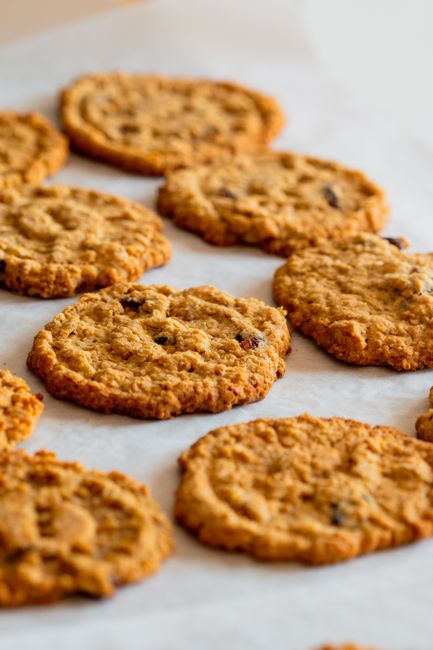
The Ultimate Guide to Achieving Perfectly Thin and Crispy Oatmeal Raisin Cookies
Achieving the perfect thin and crispy oatmeal raisin cookie is a culinary quest that elevates a classic dessert to a new level of textural delight. Unlike their chewy or cakey counterparts, these cookies prioritize a delicate snap, a satisfying crunch, and a melt-in-your-mouth crispness that lingers long after the last bite. This article delves deep into the science and techniques behind crafting these sought-after treats, offering actionable advice for home bakers aiming to master this specific cookie profile. We will explore key ingredient choices, precise measurement techniques, optimal baking strategies, and cooling protocols that collectively contribute to that coveted thin and crispy texture. Understanding the interplay of fat, sugar, flour, and leavening agents is paramount. Fat, primarily in the form of butter, contributes to spread and crispness. Higher fat content generally leads to flatter, crispier cookies. Sugar plays a dual role: it contributes to sweetness, but more importantly for crispness, it caramelizes during baking, creating those desirable brittle edges. The type of sugar also matters; white granulated sugar promotes crispness due to its fine grain and high sucrose content, while brown sugar, with its molasses, can lead to a chewier texture. Flour, the structural backbone, needs careful consideration. Lower protein flours, like cake flour or all-purpose flour with careful handling, can minimize gluten development, which is essential for a tender and crisp cookie rather than a tough, chewy one. Finally, leavening agents, such as baking soda and baking powder, influence rise and spread. For thin and crispy cookies, a controlled spread is desired, and the correct balance of leavening is crucial.
The precise measurement of ingredients is non-negotiable when striving for thin and crispy oatmeal raisin cookies. Baking is a science, and deviations from the recipe, especially in proportions, can drastically alter the outcome. Utilizing a kitchen scale is the gold standard for accuracy. Flour, in particular, can be easily over- or under-measured when using volume-based cups, leading to a dough that is too stiff or too loose, impacting spread and crispness. For instance, if too much flour is incorporated, the cookie will be denser and less likely to spread thinly. Conversely, insufficient flour will result in a dough that spreads excessively, potentially leading to burnt edges before the center is cooked. Similarly, the fat-to-sugar ratio is critical. A higher proportion of butter and granulated sugar to flour will naturally promote a flatter, crispier cookie. When creaming butter and sugar, the goal is not to incorporate a large amount of air, as is often desired for cakey cookies. Instead, focus on achieving a uniform mixture where the sugar crystals begin to break down the butter, creating a cohesive base. Over-creaming can introduce too much air, leading to a puffier cookie that is less likely to achieve the desired thinness and crispness.
The selection and preparation of oats are fundamental to the character of an oatmeal raisin cookie, and for a thin and crispy version, the type of oats matters significantly. Old-fashioned rolled oats, also known as whole rolled oats, are the preferred choice. Their larger, flatter surface area absorbs less moisture from the dough compared to quick-cooking or instant oats, which are often cut into smaller pieces. This reduced moisture absorption allows the cookie to spread more readily and bake to a crispier finish. Instant oats, due to their pre-cooked and often finely milled nature, can contribute to a gummier texture and inhibit the desired spread. When incorporating the rolled oats, it’s important to ensure they are evenly distributed throughout the dough. Some bakers advocate for toasting the rolled oats lightly before adding them to the dough. This step can enhance their nutty flavor and further reduce their moisture content, contributing to a crispier end product. To toast oats, spread them in a single layer on a baking sheet and bake in a preheated oven at around 300°F (150°C) for 5-7 minutes, or until lightly golden and fragrant. Allow them to cool completely before incorporating them into the cookie dough.
Raisins, the sweet jewels of this cookie, also require thoughtful consideration. For thin and crispy cookies, it’s often beneficial to plump the raisins before adding them. This can be achieved by soaking them in hot water or juice for about 10-15 minutes, then draining them thoroughly. Plumped raisins contribute moisture and sweetness to the cookie without drawing excessive moisture from the dough during baking, which could hinder crispness. Over-soaking, however, can lead to mushy raisins that might impart too much liquid. The key is to achieve plumpness without waterlogging. Another approach is to lightly toss the raisins in a small amount of flour before adding them to the dough. This coating can help prevent them from sinking to the bottom of the cookie and also contribute to a more even distribution of their sweetness and moisture. The quantity of raisins is also a factor. An excessive amount can create pockets of moisture within the cookie, compromising the overall crispness. A balanced ratio of cookie dough to raisins is crucial.
The method of dough preparation is a critical determinant of cookie texture. For thin and crispy oatmeal raisin cookies, overworking the dough is a cardinal sin. Once the wet ingredients (creamed butter and sugar, eggs, vanilla) are combined with the dry ingredients (flour, leavening, salt), mix only until just combined. Overmixing develops gluten in the flour, resulting in a tougher, chewier cookie. The goal is to create a cohesive dough, not a smooth, elastic one. Chilling the dough is a highly recommended step for most cookie recipes, and it plays a significant role in achieving thin and crispy results. Chilling solidifies the fat, which slows down the spread of the cookie in the oven, allowing it to bake through more evenly before it flattens excessively. A well-chilled dough will hold its shape better initially, and as it warms in the oven, the fat will melt, facilitating a controlled spread that leads to thinness. Aim to chill the dough for at least 30 minutes, but preferably for 1-2 hours. Some bakers even find that chilling overnight yields superior results.
The baking process is where the magic of crispness truly happens. Preheat your oven to the specified temperature, which is typically around 350°F (175°C) for most cookies. However, for thinner, crispier cookies, a slightly lower temperature, around 325°F (160°C), might be beneficial as it allows the cookie to bake through more gradually, promoting even browning and crisping without burning the edges. The choice of baking sheet is also important. Light-colored aluminum baking sheets are generally preferred as they reflect heat, leading to a more gentle bake and reducing the risk of burnt bottoms. Darker baking sheets absorb more heat and can cause cookies to brown and crisp too quickly. Using parchment paper or a silicone baking mat is essential. This not only prevents sticking but also creates a slight barrier that helps regulate heat transfer to the bottom of the cookie, contributing to a crispier base without burning.
Portioning the cookie dough requires consistency to ensure even baking. Use a cookie scoop or a tablespoon to create uniform balls of dough. Do not overcrowd the baking sheet; leave ample space between cookies to allow for proper spreading. Overcrowding will lead to cookies that steam rather than bake, resulting in a softer texture. The baking time is crucial and requires keen observation. Thin and crispy cookies bake relatively quickly. They are typically done when the edges are golden brown and appear set, while the centers may still look slightly soft. This is a critical point: the cookies will continue to bake and firm up on the hot baking sheet after they are removed from the oven. Overbaking will result in dry, brittle cookies that can easily turn into dust. Aim for a golden-brown hue around the edges and a slightly paler, still-soft-looking center. A common baking time for thin and crispy oatmeal raisin cookies is between 10 and 15 minutes, but this can vary depending on oven calibration and cookie size.
The cooling process is as vital to achieving ultimate crispness as the baking itself. Immediately after removing the baking sheet from the oven, allow the cookies to cool on the baking sheet for a few minutes. This allows the cookies to set further and firm up before you attempt to move them. If you try to move them too soon, they may break apart due to their delicate nature. After 2-5 minutes on the baking sheet, carefully transfer the cookies to a wire cooling rack. This is where the critical crisping action takes place. Placing cookies directly on a solid surface can trap steam, leading to a softer bottom. The wire rack allows for air circulation all around the cookie, promoting even cooling and continued crisping. Ensure complete cooling before storing them. If you attempt to store warm cookies, the residual heat and moisture will cause them to soften.
For optimal storage and continued crispness, once the cookies have completely cooled, store them in an airtight container at room temperature. Avoid storing them with items that can impart moisture, such as baked goods that are still slightly warm or fresh fruit. If you find your cookies are losing their crispness over time, you can sometimes revive them by placing them back in a single layer on a baking sheet in a very low oven (around 200-250°F or 90-120°C) for a few minutes until they regain their crunch. However, the best way to ensure long-lasting crispness is to consume them within a few days of baking.
Mastering the thin and crispy oatmeal raisin cookie is a rewarding endeavor that requires attention to detail at every stage of the baking process. By understanding the role of each ingredient, employing precise techniques for dough preparation, and executing a careful baking and cooling strategy, home bakers can consistently produce cookies that are delightfully thin, wonderfully crispy, and intensely satisfying. The pursuit of this perfect texture transforms a beloved classic into an unforgettable treat, worthy of sharing (or savoring solo). The delicate crunch, the caramel notes, and the comforting chew from the plumped raisins create a harmonious balance of flavors and textures that defines a truly exceptional cookie. This comprehensive approach, focusing on the scientific principles behind baking and the nuances of ingredient interactions, empowers bakers to achieve their ultimate thin and crispy oatmeal raisin cookie goal.
