
Tomato Basil Penne Pasta
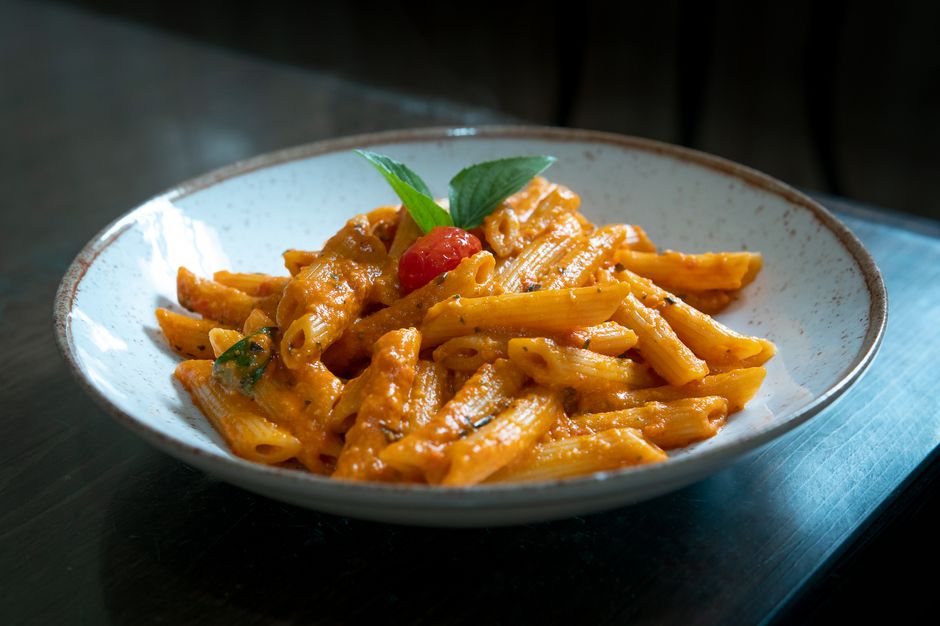
Tomato Basil Penne Pasta: A Culinary Cornerstone for Every Kitchen
Tomato basil penne pasta, a dish celebrated for its simplicity and vibrant flavors, stands as a testament to the power of fresh ingredients. This seemingly straightforward pasta preparation is more than just a meal; it’s a culinary canvas, adaptable to countless variations and universally appealing. The harmonious interplay between ripe, sweet tomatoes and pungent, aromatic basil, all clinging to perfectly cooked penne pasta, creates a sensory experience that is both comforting and exhilarating. This article delves deep into the world of tomato basil penne, exploring its origins, essential components, preparation techniques, ingredient selection, health benefits, popular variations, serving suggestions, and its enduring appeal in the global gastronomic landscape. Understanding the nuances of this classic dish empowers home cooks to elevate their pasta-making skills and create truly memorable meals.
The foundation of exceptional tomato basil penne lies in the quality of its core ingredients. Tomatoes, the star of the sauce, offer a spectrum of flavors, from the bright acidity of San Marzano to the inherent sweetness of Romas. Their juicy pulp, when cooked down, forms a rich and satisfying sauce. Basil, the aromatic counterpart, provides a fresh, slightly peppery, and sweet herbaceous note that cuts through the richness of the tomatoes and elevates the entire dish. Penne, with its tubular shape and ridged exterior, is ideal for capturing and holding onto the sauce, ensuring each bite is a perfect balance of pasta and tomato goodness. The textural contrast between the al dente pasta and the smooth, luscious sauce is paramount to the dish’s success.
Selecting the finest tomatoes is crucial for achieving an authentic and flavorful tomato basil penne. While fresh, peak-season tomatoes are undeniably superior, high-quality canned options can offer excellent results year-round. San Marzano tomatoes, grown in the volcanic soil of Campania, Italy, are renowned for their sweetness, low acidity, and fleshy pulp, making them the gold standard for tomato-based sauces. When using fresh tomatoes, look for varieties that are firm, ripe, and fragrant. Roma tomatoes, also known as plum tomatoes, are a good choice due to their meaty texture and fewer seeds, which translates to a thicker, less watery sauce. Heirloom tomatoes, with their diverse colors and complex flavor profiles, can add an intriguing dimension to the sauce, though their water content may require a longer simmering time. For canned tomatoes, opt for whole peeled San Marzanos packed in their own juice. Their consistent quality and superior flavor profile make them a reliable alternative when fresh options are not ideal.
The role of fresh basil cannot be overstated. Its vibrant green leaves and distinct aroma are essential to the identity of this dish. Sweet basil, also known as Genovese basil, is the most common and traditional choice. Its large, fragrant leaves offer a quintessential basil flavor. When incorporating basil, it’s important to understand its delicate nature. Adding it too early in the cooking process can diminish its flavor and color. For the most potent aroma and fresh taste, basil is typically stirred in towards the end of the sauce preparation or used as a garnish. A gentle chiffonade, slicing the leaves into thin ribbons, is a common technique that maximizes the surface area for flavor release. Other varieties of basil, such as Thai basil with its anise-like notes or lemon basil with a citrusy undertone, can be explored for more adventurous variations, but sweet basil remains the classic pairing.
Penne, the pasta of choice, is a crucial element that contributes to the overall texture and sauce-holding capacity of the dish. Penne rigate, characterized by its ridged exterior, is particularly well-suited for this sauce as the grooves effectively trap the tomato mixture. Penne lisce, the smooth variety, can also be used, but may not hold sauce quite as effectively. The key to perfect penne is cooking it to an al dente consistency – firm to the bite, with a slight resistance in the center. Overcooked pasta becomes mushy and loses its textural appeal, detracting from the overall enjoyment of the dish. The water used to cook the pasta is also a valuable resource. A ladleful of this starchy, seasoned water, when added to the sauce, can help emulsify the ingredients, creating a silkier, more cohesive sauce that clings beautifully to the pasta.
The preparation of tomato basil penne is a straightforward process that can be accomplished in under an hour, making it an ideal weeknight meal. The process typically begins with sautéing aromatics. Finely minced garlic and, optionally, finely diced onion form the flavor base. Olive oil, a staple of Mediterranean cuisine, is the preferred medium for this sauté. The garlic should be cooked until fragrant but not browned, as burnt garlic can impart a bitter taste. Once the aromatics are softened, the tomatoes are added. If using fresh tomatoes, they should be peeled and seeded before being roughly chopped or pureed. This step ensures a smoother sauce. Crushed San Marzano tomatoes from a can are a convenient and effective option. The tomatoes are then simmered, allowing their flavors to meld and the sauce to thicken. Seasoning with salt and freshly ground black pepper is essential throughout the cooking process. A pinch of sugar can be added to balance the acidity of the tomatoes, if necessary.
As the tomato sauce simmers, the basil is prepared. For maximum flavor infusion, some cooks advocate for lightly bruising the basil leaves before adding them. However, the most common and simplest method is to add a generous amount of fresh basil, either whole leaves or a chiffonade, towards the very end of the sauce’s cooking time. This preserves the basil’s vibrant color and fresh, aromatic essence. A final drizzle of good quality extra virgin olive oil just before serving adds a luscious finish and a fresh burst of flavor.
Health benefits associated with tomato basil penne pasta are often overlooked in favor of its deliciousness. Tomatoes are a rich source of lycopene, a powerful antioxidant linked to various health benefits, including reduced risk of certain cancers and heart disease. They also provide vitamins C and K, as well as potassium. Basil is packed with antioxidants, anti-inflammatory compounds, and vitamins A and K. When whole wheat penne is used, the dish becomes a source of complex carbohydrates and dietary fiber, promoting digestive health and sustained energy release. Olive oil, a cornerstone of the Mediterranean diet, contributes monounsaturated fats, which are beneficial for cardiovascular health. By focusing on fresh, whole ingredients and opting for whole wheat pasta, tomato basil penne can be a surprisingly nutritious and satisfying meal.
The versatility of tomato basil penne allows for numerous delicious variations, catering to diverse palates and dietary needs. Adding a touch of heat is a popular modification. Red pepper flakes, introduced during the sautéing of the garlic, provide a subtle warmth that complements the sweetness of the tomatoes. For a richer, more decadent sauce, a splash of heavy cream or mascarpone cheese can be incorporated in the final stages of cooking, transforming the dish into a creamy tomato basil penne. Vegetable additions are abundant. Sautéed mushrooms, bell peppers, zucchini, or spinach can be incorporated for added texture, nutrients, and flavor. Olives, capers, or sun-dried tomatoes can introduce a briny, intense savory dimension. For a protein boost, grilled chicken, shrimp, or Italian sausage can be added to the dish. Vegetarian and vegan versions are easily achievable. Simply omit any cheese and ensure all other ingredients are plant-based. Nutritional yeast can be used to impart a cheesy flavor to vegan preparations.
Serving tomato basil penne pasta is an art in itself, aiming to present the dish in a way that enhances its visual appeal and culinary experience. The pasta should be drained, reserving a portion of the cooking water. The sauce is then typically tossed with the hot, al dente penne. A small amount of the reserved pasta water is then added, allowing the sauce to emulsify and coat the pasta beautifully. Generous garnishes are key. A final scattering of fresh basil leaves, a drizzle of extra virgin olive oil, and a dusting of grated Parmesan cheese (or a vegan alternative) are almost always present. Freshly ground black pepper adds a final touch of zest. Accompanying this dish with a light, crisp green salad dressed with a vinaigrette provides a refreshing contrast to the richness of the pasta. Crusty bread, perfect for sopping up any lingering sauce, is also a welcome addition.
The enduring appeal of tomato basil penne pasta lies in its ability to transcend culinary trends and dietary fads. It represents a core principle of good cooking: the skillful combination of a few high-quality ingredients to create something truly exceptional. Its accessibility, from humble home kitchens to esteemed trattorias, speaks to its universal appeal. The comforting familiarity of the flavors, coupled with the inherent freshness of its components, makes it a dish that can be enjoyed by people of all ages and backgrounds. Its relatively simple preparation also makes it an excellent teaching tool for aspiring cooks, instilling fundamental techniques and a appreciation for ingredient synergy. Furthermore, the ability to customize and adapt tomato basil penne ensures its continued relevance, allowing it to evolve while retaining its beloved essence. Whether enjoyed as a quick weeknight dinner or a centerpiece for a celebratory meal, tomato basil penne pasta remains a timeless classic, a culinary cornerstone that enriches tables and delights palates around the world. Its vibrant simplicity, robust flavors, and adaptability solidify its position as a beloved and indispensable dish in the global culinary repertoire.
