Trisha Eungelica Set to Release Single Hidup MemuliakanMu Written by Putri Candrawathi from Behind Bars


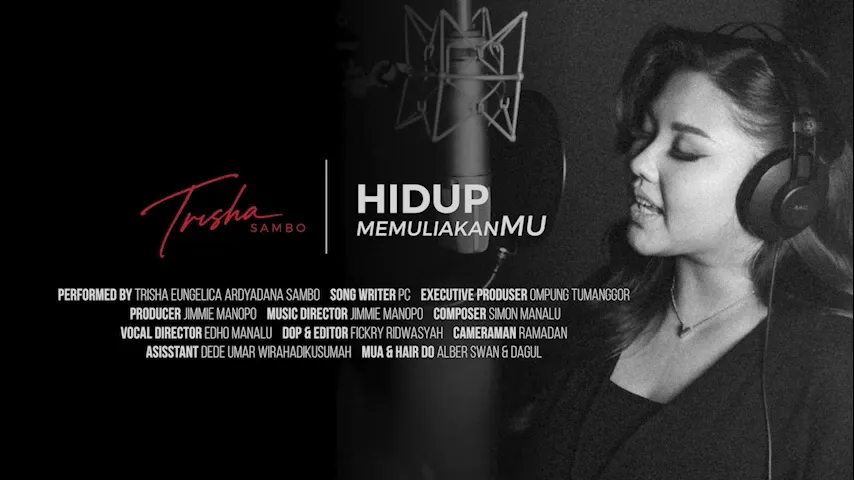
The landscape of modern digital culture often blurs the lines between private personal tribulation and public entertainment. In a development that has rapidly ignited intense public debate across Indonesian social media platforms, Trisha Eungelica, the eldest daughter of high-profile convicted former officials Ferdy Sambo and Putri Candrawathi, has announced her impending entry into the music industry. Her debut project centers on a spiritually themed single titled Hidup MemuliakanMu. However, what has captured the public imagination and polarized commentators is not merely the launch of a musical career, but the unusual origin of the composition: Trisha revealed that the song was written by her mother, Putri Candrawathi, while serving a lengthy prison sentence following one of the most sensational criminal trials in modern Indonesian legal history.
The announcement, initially teased through Trisha’s private broadcast channel before spilling over onto public Instagram feeds, highlights the complex intersections of notoriety, familial loyalty, digital media monetization, and public accountability. Scheduled for official release on September 14, 2026, the single has generated a dual wave of sympathetic encouragement from supporters and biting skepticism from critics who question the ethics and appropriateness of leveraging artistic output originating from individuals convicted of premeditated murder.
Chronology of the Announcement and Project Evolution
The rollout of Hidup MemuliakanMu followed a carefully orchestrated digital marketing strategy typical of contemporary content creators and independent artists. The genesis of the project dates back to early September 2026, when Trisha Eungelica utilized her Instagram broadcast channel to hint at a clandestine creative venture.
"Another big news, but can only spill a little bit, the point is, mom made a song, huh? Wait for the progress, yeah," Trisha wrote to her followers, generating immediate curiosity regarding the mysterious composer.
Within days, the project escalated from a speculative familial anecdote into a formal commercial release. Trisha shared subsequent updates detailing the studio production process, expressing visible surprise at how rapidly the initiative had grown from a simple demo into a fully realized single. On September 8, 2026, she officially unveiled the project title to her broader audience, accompanying the announcement with the hashtag #HidupMemuliakanMu and framing the track as "a little something from mom."

As the release date of September 14, 2026, approached, marketing materials including cover art, snippets of instrumental arrangements, and behind-the-scenes glimpses of the production pipeline began circulating online. This gradual disclosure effectively sustained public engagement, transforming what might have been a quiet artistic expression into a major entertainment news topic.
Background Context: The Sambo Family Legacy and Legal Fallout
To fully comprehend the societal reaction surrounding the release of Hidup MemuliakanMu, it is essential to contextualize the legal and social framework from which the song emerges. Trisha Eungelica’s parents, Inspector General Ferdy Sambo—the former Head of the Propam Division of the Indonesian National Police—and Putri Candrawathi, were central figures in the 2022 murder trial of Brigadier J (Nofriansyah Yosua Hutabarat).
The case dominated national headlines for months, riveting the public through televised court proceedings that exposed deep-seated corruption, abuse of power, and institutional cover-ups within law enforcement circles. Ultimately, the judiciary handed down severe sentences. Ferdy Sambo was sentenced to death (later commuted to life imprisonment during subsequent legal appeals), while Putri Candrawathi received a 20-year prison sentence after being found legally and convincingly guilty of active participation in the premeditated murder scheme.
In the aftermath of the convictions, the family’s minor and adult children were thrust into the public eye. While the younger children were largely shielded from public view, Trisha Eungelica adopted a highly visible presence on social media platforms such as TikTok and Instagram. Leveraging her status as a medical graduate, she cultivated a substantial following through lifestyle content, endorsements, and candid glimpses into her life as a young adult navigating the catastrophic collapse of her family’s social standing.
The introduction of a song composed from behind bars represents a novel pivot in this digital strategy, effectively bridging her mother’s incarcerated reality with the aesthetics of contemporary Christian worship music.
Public Polarisation: Support Versus Severe Backlash
The announcement of Hidup MemuliakanMu immediately fractured public opinion, serving as a microcosm of the broader societal debates regarding redemption, accountability, and the boundaries of public sympathy for families of convicted felons.
On one side of the ideological spectrum, a dedicated faction of followers and sympathetic netizens rallied around Trisha and her family. For this demographic, the song is viewed through a purely spiritual and pastoral lens—a testament to resilience, faith, and spiritual surrender amidst profound personal suffering. Comments left on Trisha’s social media channels reflected deep religious empathy:
"In every storm, it is God’s duty to stop it, our duty is to remain steadfast within that storm. Always glorify God in every storm happening in our lives," wrote one supportive user.
Another commenter offered blessings for the family, writing, "So cool, sister…. Lord Jesus bless this family… may you be used even more to glorify the Name of the Lord."
Conversely, a substantial wave of criticism erupted, highlighting lingering public resentment regarding the original crimes committed by Trisha’s parents. Detractors accused the family of tone-deafness and attempting to exploit public sympathy, pointing out the stark contrast between the suffering inflicted upon the victim’s family and the creative pursuits of the perpetrators.
The tone of the backlash was sharp and unsparing. One prominent critical comment read: "At least feel some shame, jeez, instead of capitalizing on the moment."
Other internet users pushed past the musical release to interrogate the broader narrative of accountability, directly challenging Trisha regarding her stance on the legal verdicts. Comments questioning whether she believed her parents were genuinely culpable or if external parties were to blame highlighted the inescapable burden of her lineage—a reality where any public endeavor remains inextricably chained to the crimes of her parents.

Sociological and Cultural Implications of Incarcerated Art
The creation and commercial distribution of art by incarcerated individuals is not unprecedented; historical and international precedents exist of prisoners utilizing writing, painting, and music to process trauma, express remorse, or maintain connections to the outside world. However, when the creators belong to high-profile socio-political dynasties convicted of violent crimes, the implications shift into complex ethical terrain.
From a media analysis perspective, the release of Hidup MemuliakanMu underscores several contemporary phenomena:
- The Humanization of Convicted Figures: By framing Putri Candrawathi as a songwriter seeking solace in faith, the campaign subtly humanizes an individual convicted of grave offenses, shifting public discourse away from the brutality of the crime toward themes of maternal affection and spiritual resilience.
- The Monetization of Notoriety: Even without direct commercial gain, the generation of engagement, algorithmic visibility, and brand partnerships through high-profile controversies highlights how digital platforms allow families of disgraced officials to maintain relevance and cultural capital.
- The Burden of Generational Association: Trisha Eungelica’s trajectory illustrates the inescapable weight borne by children of prominent criminals in the digital age, where establishing an independent identity remains perpetually constrained by the public’s demand for perpetual penance.
Conclusion and Outlook
As the September 14, 2026 release date arrives, Hidup MemuliakanMu stands as a lightning rod for broader discussions concerning justice, empathy, and media consumption in Indonesia. Whether the single achieves commercial success or remains a niche artifact of digital curiosity, its genesis serves as a permanent reminder of how the digital age intertwines institutional disgrace with individual personal expression. For Trisha Eungelica, the release marks both a bold step into the creative industry and a stark reaffirmation that her family’s shadow will continue to loom large over every professional and personal milestone she chooses to share with the world.