Understanding the Role of Research Octane Number and Pertamax in Modern Vehicle Engine Performance

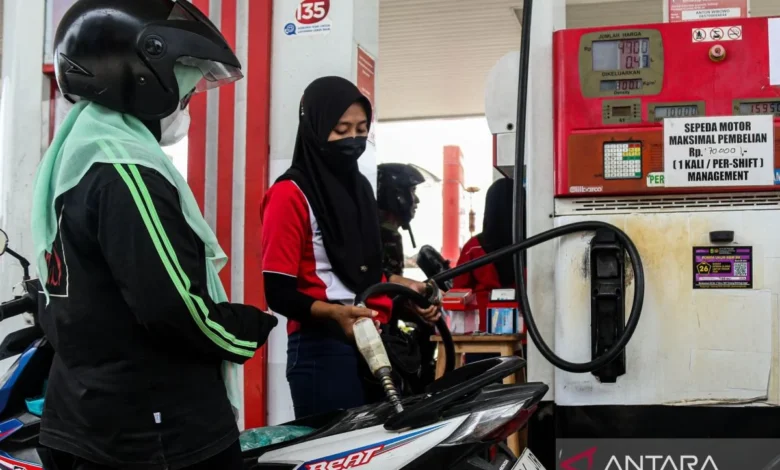
Choosing the appropriate fuel for a vehicle is a critical decision that extends beyond mere budget considerations; it is a fundamental aspect of vehicle maintenance that directly influences engine longevity, fuel economy, and operational efficiency. In the Indonesian automotive market, Pertamina’s Pertamax, which features a Research Octane Number (RON) of 92, represents a premium fuel tier compared to the entry-level Pertalite (RON 90). However, the correlation between fuel grade and vehicle performance is frequently misunderstood by the general public, leading to debates regarding whether higher-octane fuel inherently equates to superior power or better fuel efficiency.
The Science of Octane Ratings and Engine Compression
To comprehend why fuel selection matters, one must first understand the concept of the Research Octane Number (RON). The RON is a measure of a fuel’s ability to resist "knocking" or "pinging" during the combustion cycle. Knocking occurs when the air-fuel mixture in the combustion chamber ignites prematurely due to the intense pressure and heat generated by the piston’s upward stroke, rather than the spark plug’s controlled ignition.
Modern high-performance engines typically utilize higher compression ratios to extract more power from a smaller displacement. These engines require fuel with a higher octane rating to remain stable under high pressure. When a vehicle designed for high-compression operation is fueled with a lower RON than recommended, the engine management system (EMS) often retards the ignition timing to prevent knocking. While this prevents mechanical damage, it results in a noticeable drop in power delivery and thermal efficiency.
Historical Context and the Evolution of Fuel Standards
The evolution of automotive fuel in Indonesia has been marked by a transition toward cleaner, more efficient energy sources. Historically, the market relied heavily on lower-octane fuels. However, as vehicle manufacturers introduced sophisticated fuel injection systems and variable valve timing technologies to meet global emission standards (such as Euro 4 and beyond), the demand for higher-quality fuels became a technical necessity.
Pertamina, as the state-owned energy entity, has progressively updated its product lineup to accommodate these advancements. The introduction of Pertamax (RON 92) served as a response to the growing population of modern passenger vehicles that utilize high-compression engines. This shift reflects a broader global trend where fuel quality is intrinsically linked to the reduction of carbon emissions and the prevention of premature engine failure.
Analyzing the Six Key Impacts of Fuel Selection
The performance benefits of Pertamax, when used in vehicles specifically engineered for RON 92, can be categorized into several critical operational areas:
1. Mitigation of Abnormal Combustion (Knocking)
The primary advantage of higher octane fuel is its resistance to spontaneous combustion. For engines with higher compression ratios, Pertamax provides the necessary stability to ensure that combustion occurs only when the spark plug fires. Chronic knocking not only causes audible engine distress but can also lead to catastrophic damage to piston rings, connecting rods, and cylinder walls over time.
2. Optimization of Engine Power Output
While some consumers believe switching to premium fuel will "unlock" hidden horsepower in a budget engine, the reality is more nuanced. An engine will only perform at its peak when the fuel grade matches the manufacturer’s design specifications. If a vehicle is designed for RON 90, using RON 92 will not significantly boost performance because the ignition timing is already optimized for the lower octane. Conversely, using RON 90 in a high-performance vehicle will result in an immediate drop in output as the ECU compensates for the low-quality fuel.
3. Theoretical Improvements in Fuel Efficiency
Efficiency is a product of complete combustion. By allowing an engine to run at its optimal ignition timing, higher-octane fuel can theoretically contribute to better fuel economy. However, empirical data suggests that external factors—such as traffic congestion, tire pressure, vehicle load, and individual driving styles—have a far more significant impact on real-world fuel consumption than the octane rating alone.
4. Detergency and Engine Cleanliness
Modern fuel formulations, including Pertamax, are enhanced with specialized detergent additives. These chemical agents are designed to prevent the buildup of carbon deposits on fuel injectors, intake valves, and combustion chamber surfaces. Maintaining clean internal components ensures that the fuel-air spray pattern remains consistent, which is vital for smooth engine operation and long-term reliability.
5. Responsive Acceleration and Throttle Dynamics
The responsiveness of a vehicle is directly tied to the efficiency of the combustion cycle. In engines engineered for higher octane, the use of RON 92 ensures that the engine can provide immediate torque when the throttle is applied. In contrast, low-octane fuel in a high-performance engine may cause a slight delay as the engine management system makes protective adjustments to the ignition map.
6. Long-Term Mechanical Longevity
Perhaps the most understated benefit of using the manufacturer-recommended fuel grade is the protection of the engine’s internal components. By preventing the stresses associated with knocking and maintaining cleanliness through additives, the vehicle’s service life is extended. This reduces the frequency of costly repairs related to engine sensors, fuel pumps, and cylinder head maintenance.
Official Perspectives and Regulatory Stance
Pertamina has consistently emphasized that fuel selection should be dictated by the vehicle’s owner manual. The company maintains that its product portfolio is designed to meet various engine requirements, and consumers should prioritize technical specifications over marketing perceptions.
Energy experts and automotive engineers from institutions such as the Bandung Institute of Technology (ITB) have frequently noted that the "Oktis-2" measurement method and other analytical tools confirm that the quality of fuel in Indonesia has improved significantly in recent years. These experts urge the public to recognize that while high-octane fuel is a superior product, its "superiority" is only realized when the engine hardware is built to utilize those chemical properties.
Broader Economic and Environmental Implications
The economic implications of fuel choice are significant for both the individual consumer and the national economy. With billions of dollars in government subsidies allocated to the fuel sector annually, the move toward higher-quality, higher-efficiency fuel is a matter of national policy. When consumers use the correct fuel for their vehicles, they contribute to a reduction in wasted energy and lower maintenance costs across the national vehicle fleet.
Furthermore, environmental concerns are paramount. Higher-quality fuels typically result in more complete combustion, which reduces the emission of unburnt hydrocarbons and particulate matter. As Indonesia continues to tighten emission standards, the transition away from lower-octane fuels in modern vehicles becomes an environmental imperative.
Practical Advice for Vehicle Owners
To ensure optimal vehicle performance, owners should adhere to the following best practices:
- Consult the Owner’s Manual: This is the definitive source for determining the correct RON rating for your engine. Do not rely on anecdotal advice from other drivers.
- Prioritize Regular Maintenance: Fuel quality is only one part of the equation. Routine oil changes, air filter replacements, and spark plug inspections are equally critical in maintaining performance.
- Monitor Real-World Data: If you choose to upgrade your fuel, track your mileage over several tanks rather than assuming an immediate change in performance.
- Avoid Over-Specing: There is no technical advantage to using 95 or 98 RON fuel in a vehicle specifically tuned for 90 RON. Doing so increases operational costs without providing a commensurate increase in power or longevity.
Conclusion
The debate surrounding fuel selection is effectively a matter of engineering alignment. Pertamax (RON 92) offers clear advantages for modern, high-compression engines, including better resistance to knocking, enhanced engine cleanliness, and optimized power delivery. However, these benefits are not universal. The most effective strategy for any vehicle owner is to respect the technical requirements stipulated by the manufacturer. By combining the correct fuel grade with diligent vehicle maintenance and responsible driving habits, owners can maximize their vehicle’s performance, ensure a longer service life for the engine, and contribute to more efficient fuel consumption patterns across the country. Ultimately, informed choices lead to better mechanical outcomes, proving that the most powerful tool in automotive maintenance is knowledge.
Related posts: