
Flight Cancellations Storm Weather
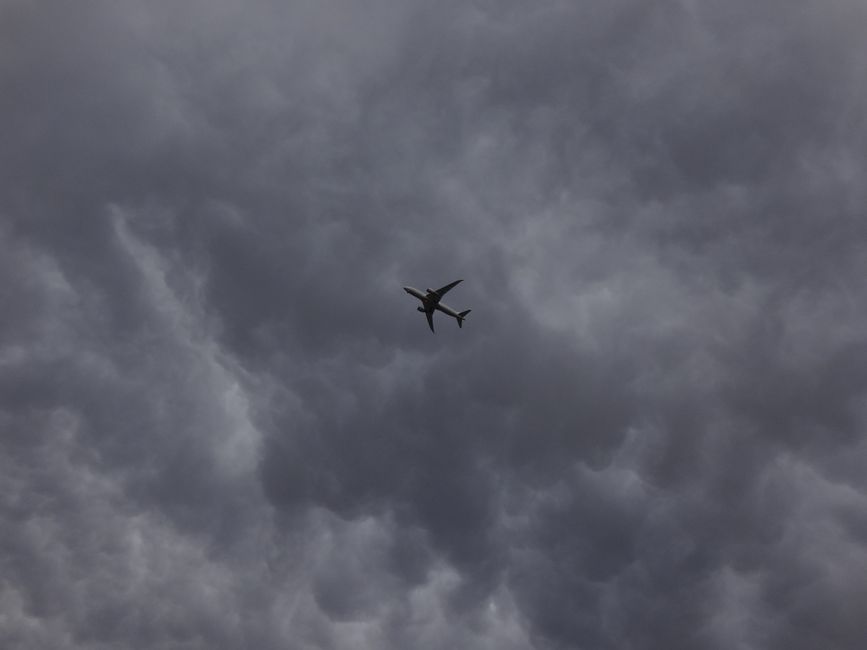
Navigating the Tempest: Your Comprehensive Guide to Flight Cancellations Due to Storm Weather
Flight cancellations due to severe weather, particularly storms, are a pervasive and often disruptive reality of modern air travel. Understanding the underlying causes, your rights and options, and proactive strategies for mitigation is crucial for minimizing stress and financial impact. Storms, encompassing a broad spectrum of meteorological phenomena like thunderstorms, hurricanes, blizzards, ice storms, and even dense fog, present significant safety hazards for aviation. Aircraft are susceptible to a multitude of adverse conditions generated by these weather systems. High winds, including crosswinds and microbursts, can make takeoffs and landings precarious, potentially causing loss of control or runway excursions. Lightning poses a direct threat to aircraft structures and electronic systems, and can cause significant fear and anxiety among passengers. Hail, especially in large sizes, can inflict structural damage to aircraft, including impacting windshields and wing surfaces. Heavy precipitation, such as intense rain or snow, reduces visibility to dangerous levels and can compromise runway braking effectiveness due to hydroplaning or snow/ice accumulation. Freezing rain and ice accumulation on aircraft surfaces disrupt airflow, significantly reducing lift and increasing drag, necessitating rigorous de-icing procedures that can delay flights. Turbulence, a common byproduct of storms, can range from moderate discomfort to severe, posing risks to passengers and crew, and potentially damaging the aircraft. Thunderstorms, in particular, are complex and dangerous systems characterized by strong updrafts and downdrafts, lightning, hail, and heavy precipitation, making them a primary cause of flight disruptions. Understanding these inherent risks underscores why airlines prioritize safety above all else, leading to the necessary and often unavoidable decision to cancel flights when storm conditions pose an unacceptable threat.
The decision to cancel a flight due to storm weather is not taken lightly by airlines. It is a complex calculation involving numerous factors, primarily centered on passenger and crew safety, as well as the integrity of the aircraft and airport operations. Air traffic control (ATC) plays a pivotal role in this decision-making process. As weather deteriorates, ATC may implement ground stops, limiting arrivals and departures from affected airports to prevent aircraft from being stranded in dangerous conditions or to manage the flow of traffic in severely restricted airspace. Airlines work in close coordination with ATC and the National Weather Service (or equivalent meteorological agencies globally) to monitor developing weather patterns. Sophisticated weather forecasting models and real-time radar data are continuously analyzed. Airlines employ meteorologists and utilize specialized aviation weather services to gain precise insights into the predicted intensity, trajectory, and duration of storm systems. The safety of flight operations is paramount. This includes ensuring that aircraft can safely taxi, take off, and land. Reduced visibility due to heavy rain, snow, or fog is a critical factor. The presence of hazardous phenomena like lightning, hail, or severe turbulence directly impacting flight paths or airport facilities triggers cancellation protocols. Furthermore, the availability of essential airport infrastructure, such as de-icing facilities or cleared runways during winter storms, is also considered. If these services are compromised by the weather, flight operations cannot safely resume. Ultimately, the airline’s primary responsibility is to ensure the safety of everyone on board and on the ground, and if storm conditions present an unacceptable level of risk, cancellation is the only responsible course of action.
When a flight is cancelled due to storm weather, passengers are often faced with a wave of uncertainty and frustration. However, it is essential to understand your rights and the typical procedures airlines follow in such situations. The primary recourse for passengers is usually a rebooking on the next available flight. Airlines are generally obligated to rebook you on their own flights, and in some cases, on flights operated by partner airlines, to get you to your destination. The specific rebooking policy can vary between airlines, so it’s advisable to be familiar with the terms and conditions of your ticket and the airline’s published policies. Compensation for delays and cancellations due to weather is a complex area, and it’s important to note that in many jurisdictions, airlines are not legally required to provide financial compensation for weather-related disruptions, as these are considered "extraordinary circumstances" beyond their control. However, they are typically responsible for providing care and assistance. This often includes providing meals and refreshments, and in cases where rebooking is not immediate and the delay extends overnight, arranging for hotel accommodation and transportation to and from the hotel. It’s crucial to keep all receipts for any expenses incurred due to the cancellation, such as meals or alternative transportation, as you may be eligible for reimbursement. For international flights, especially those within the European Union under EC 261/2004 regulations, passengers may have stronger rights to compensation and care even for weather-related cancellations, though specific criteria apply and airlines may still argue the event was extraordinary. Always communicate with the airline’s customer service representatives or check their website for the most up-to-date information regarding your specific situation and entitlements.
Proactive strategies are invaluable for mitigating the impact of storm-related flight cancellations. Booking flights with flexibility in mind is the first line of defense. Opting for flights earlier in the day, especially during seasons prone to severe weather, can sometimes allow you to bypass developing storms. Choosing direct flights reduces the number of potential connection points where delays or cancellations can occur. Being geographically aware of potential weather patterns for your departure, arrival, and connection cities can inform your booking decisions. For instance, if traveling during hurricane season in the Gulf Coast region, be mindful of potential disruptions. Upon booking, enroll in the airline’s email or SMS alerts for flight status updates. This ensures you receive immediate notification of any changes. Before heading to the airport, always check your flight status online or through the airline’s mobile app, even if you haven’t received an alert. This allows you to assess the situation and make informed decisions about whether to proceed to the airport. Packing an "overnight essentials" bag in your carry-on can be a lifesaver if you are unexpectedly stranded. This should include toiletries, a change of clothes, any necessary medications, and essential electronics chargers. Having travel insurance that specifically covers weather-related disruptions can provide a financial safety net for non-refundable expenses and additional costs incurred due to cancellations. Carefully review the policy details to understand what is covered and any exclusions. Staying informed about weather forecasts for your travel itinerary is also a proactive measure. Websites and apps like the National Weather Service, AccuWeather, or The Weather Channel provide detailed forecasts that can help you anticipate potential issues. Finally, maintaining a calm and polite demeanor when interacting with airline staff, even in frustrating situations, can often lead to more constructive solutions and a smoother resolution of any issues.
The impact of storm weather on airline operations extends beyond immediate flight cancellations, creating cascading effects throughout the aviation network. When a significant number of flights are cancelled or delayed at a major hub airport due to a storm, it disrupts the entire schedule. Aircraft that were supposed to operate subsequent flights may be grounded, and flight crews may exceed their duty time limitations, further compounding delays and cancellations. This ripple effect can impact flights across different regions, even those not directly experiencing severe weather. For example, a cancelled flight in Chicago due to a blizzard can lead to a delayed flight in Atlanta that was scheduled to use the aircraft that was supposed to have arrived from Chicago. This interconnectedness of the air transport system means that a localized weather event can have global ramifications. Airlines must then engage in complex logistical operations to reposition aircraft and crew to re-establish their schedules. This often involves diverting aircraft from their planned routes, utilizing reserve aircraft, and making difficult decisions about which flights to prioritize. Passengers caught in these cascading disruptions may face extended delays, overnight stays in airports, and significant itinerary changes. The economic impact on airlines is also substantial, encompassing costs associated with rebooking passengers, providing accommodation and meals, fuel costs for repositioning aircraft, and potential revenue losses from cancelled flights. Airports themselves also face operational challenges, from clearing runways and taxiways of snow or debris to managing increased passenger volumes in terminals due to prolonged delays. The efficiency of recovery operations is heavily dependent on the severity and duration of the storm, as well as the preparedness and resources of the airlines and airport authorities involved. Understanding these broader systemic impacts helps to explain why even a seemingly isolated weather event can lead to widespread travel chaos.
Technological advancements are continuously being integrated into aviation to better predict, mitigate, and manage the effects of storm weather. Advanced weather radar systems provide highly detailed, real-time imagery of precipitation intensity, storm cell movement, and the presence of turbulence. These systems are not only onboard aircraft but are also utilized by air traffic control and airline operations centers. Predictive analytics, powered by artificial intelligence and machine learning, are increasingly being employed to forecast weather patterns with greater accuracy and lead time. These models can analyze vast datasets of historical weather information, atmospheric conditions, and flight performance data to predict the likelihood of diversions, cancellations, and turbulence along specific flight routes. Onboard aircraft, sophisticated flight management systems (FMS) integrate real-time weather data to assist pilots in making optimal route adjustments to avoid areas of severe weather. Aircraft are also equipped with instruments that measure atmospheric conditions, such as airspeed, altitude, and vertical speed, which help pilots detect and navigate through turbulence. Furthermore, airlines are investing in advanced communication systems that allow for seamless and instantaneous communication between aircraft, ATC, and ground operations. This real-time information exchange is critical for making rapid decisions during dynamic weather situations. For example, if a thunderstorm rapidly intensifies along a flight path, pilots can receive updated information and reroute accordingly with minimal delay. Predictive maintenance technologies also play a role, ensuring that aircraft are in optimal condition to withstand the stresses of turbulent flight, though this is more of a preventative measure than a direct response to immediate weather threats. The continuous evolution of these technologies aims to enhance safety, improve efficiency, and minimize the disruption caused by adverse weather conditions, ultimately striving to make air travel more resilient in the face of nature’s challenges.
Navigating the complexities of flight cancellations due to storm weather requires a multi-faceted approach, encompassing understanding the causes, knowing your rights, adopting proactive strategies, and staying informed. While weather remains an unpredictable force, being prepared can significantly reduce the stress and inconvenience associated with flight disruptions. Airlines are legally and ethically bound to prioritize safety, which often necessitates cancellations when storms pose a threat. Passengers, in turn, have rights regarding rebooking and care, though compensation can be limited for weather-related events. By arming yourself with knowledge and implementing practical measures, you can better manage the impact of these unavoidable disruptions and reach your destination with minimal disruption. The ongoing integration of advanced technology further promises to improve the resilience of air travel against the challenges posed by severe weather.
