
Mayorkas Work Impeachment Vote
Mayorkas Impeachment Vote: A Deep Dive into the Allegations, Proceedings, and Political Ramifications
The impeachment vote against Secretary Alejandro Mayorkas, a pivotal moment in contemporary U.S. political discourse, stemmed from deeply entrenched disagreements over border security and immigration policy. The articles of impeachment, ultimately brought before the House of Representatives, centered on two primary allegations: willful and systemic refusal to comply with the law and breach of public trust. Proponents of impeachment argued that Mayorkas, by implementing and overseeing policies that they contended facilitated illegal immigration and undermined border enforcement, had failed in his constitutional duty. They pointed to the elevated levels of border encounters, the perception of a lack of effective control at the southern border, and specific policy decisions as evidence of his alleged dereliction. Conversely, opponents vehemently defended Mayorkas, characterizing the impeachment effort as a politically motivated spectacle devoid of legal merit. They asserted that he was acting within the bounds of his authority, executing the Biden administration’s immigration strategy, and facing unprecedented challenges at the border due to complex global factors. The vote itself became a highly charged political battleground, reflecting the broader partisan divisions surrounding immigration and the executive branch’s power.
The legal and constitutional underpinnings of impeachment are crucial to understanding the Mayorkas proceedings. Article II, Section 4 of the U.S. Constitution outlines the grounds for impeachment of the President, Vice President, and all civil officers of the United States: "The President, Vice-President and all civil Officers of the United States, shall be removed from Office on Impeachment for, and Conviction of, Treason, Bribery, or other high Crimes and Misdemeanors." The interpretation of "high Crimes and Misdemeanors" has historically been a subject of considerable debate, with interpretations ranging from indictable offenses to grave abuses of power and breaches of public trust. In the context of Mayorkas, the House Republicans who spearheaded the impeachment effort argued that his actions constituted a "willful and systemic refusal to comply with the law" and a "breach of public trust." They cited specific statutes and the alleged failure to enforce immigration laws as the basis for these claims. The "refusal to comply with the law" argument often focused on the assertion that Mayorkas had knowingly disregarded statutory obligations related to border security and enforcement. The "breach of public trust" argument, a more amorphous concept, encompassed the idea that his leadership had eroded confidence in the Department of Homeland Security’s ability to secure the border and manage immigration effectively. Legal scholars and constitutional experts offered diverse opinions, with some arguing that the actions cited did not meet the threshold for impeachable offenses as understood historically, while others contended that the broad nature of "high Crimes and Misdemeanors" allowed for impeachment based on significant policy failures and alleged intentional non-compliance. The impeachment process itself, originating in the House of Representatives, involves the drafting and adoption of articles of impeachment, followed by a trial in the Senate, where a two-thirds majority is required for conviction and removal from office.
The specific allegations leveled against Secretary Mayorkas were detailed in the articles of impeachment. The first article, "Willful and Systemic Refusal to Comply with the Law," accused Mayorkas of intentionally failing to enforce immigration laws and of implementing policies that facilitated illegal immigration. This article pointed to specific instances where Republicans alleged that the Department of Homeland Security (DHS) had not adhered to statutory requirements for detention and deportation, and that parole and other humanitarian programs were being exploited to circumvent immigration laws. Critics argued that Mayorkas’s approach to border management, including the termination of the Trump-era “Remain in Mexico” policy (officially known as the Migrant Protection Protocols) and the expansion of parole processes, directly contravened congressional intent and existing statutes. They maintained that these actions demonstrated a deliberate disregard for the legal framework governing immigration and border security, leading to a surge in unauthorized crossings. The second article, "Breach of Public Trust," alleged that Mayorkas had knowingly and intentionally made false or misleading statements to Congress and the public regarding the border situation, and that he had failed to uphold his oath of office by neglecting his duty to secure the nation’s borders. This often involved accusations that Mayorkas downplayed the severity of the border crisis or misrepresented the effectiveness of the administration’s policies. The "breach of public trust" argument also encompassed the broader concern that Mayorkas’s leadership had compromised the integrity of DHS and its mission to protect national security and enforce immigration laws. The framing of these allegations was critical to the political narrative surrounding the impeachment effort, as it aimed to establish a clear case of malfeasance in office, even if the legal bar for impeachment is exceptionally high.
The path to the impeachment vote was a contentious and protracted process within the House of Representatives. Initially, impeachment resolutions were introduced by individual members, but these efforts often stalled. Eventually, House Republican leadership coalesced around a more structured approach, culminating in the formation of a select committee or the use of existing committees to investigate the allegations and draft articles of impeachment. The process involved extensive hearings, the subpoenaing of documents and witnesses, and extensive debate among committee members. Republicans argued that these investigations were necessary to uncover the full extent of Mayorkas’s alleged failures. Democrats, on the other hand, largely boycotted or criticized these proceedings as partisan theater, asserting that the investigations were politically motivated and lacked substantive evidence of impeachable offenses. The committee work often became a proxy battle for the larger immigration debate, with each side presenting starkly different interpretations of the evidence and Mayorkas’s actions. The eventual referral of the articles of impeachment to the full House for a vote was the culmination of months of political maneuvering and procedural battles.
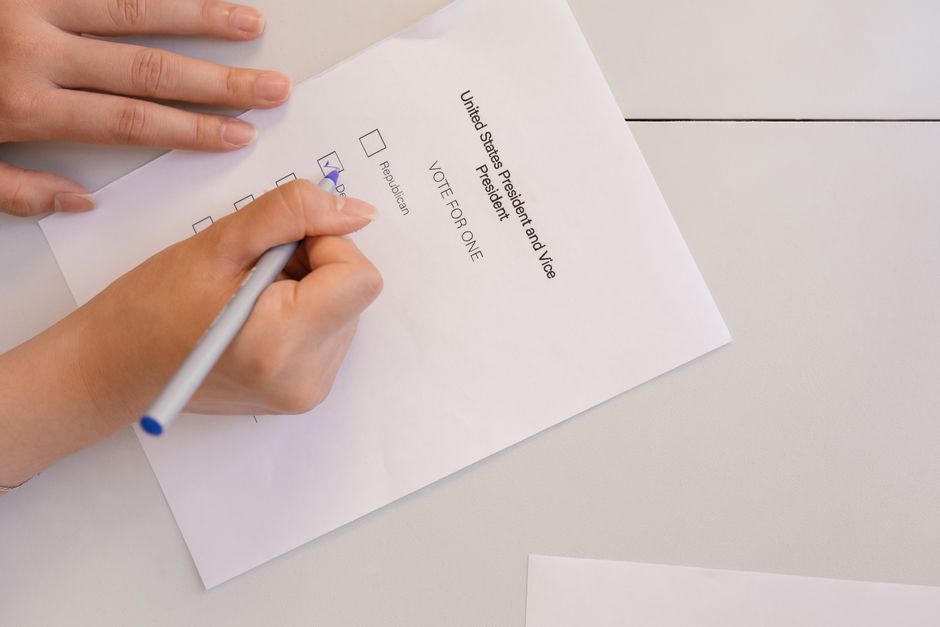
The actual House vote on the articles of impeachment was a highly anticipated and politically charged event. The first article of impeachment, concerning the "willful and systemic refusal to comply with the law," was brought to the floor. The debate preceding the vote was intense, with members from both parties delivering passionate speeches, reiterating their core arguments. Republicans emphasized the perceived crisis at the border and what they viewed as Mayorkas’s complicity in it, while Democrats defended the Secretary, highlighting the complexity of border management and the administration’s efforts to address humanitarian concerns. The vote on this article ultimately failed. Subsequently, the second article of impeachment, alleging a "breach of public trust," was also put to a vote. Again, the debate was heated, with similar arguments being exchanged. This second article also failed to achieve the necessary majority for adoption. The outcomes of these votes represented a significant setback for House Republicans who had championed the impeachment effort. The failure to pass either article indicated that the Republican majority lacked the sufficient consensus, even within their own ranks, to formally impeach the Secretary. This outcome underscored the challenges inherent in impeaching a cabinet-level official and the high bar for achieving bipartisan support for such actions, especially when perceived as politically motivated. The voting patterns often revealed the deep partisan divisions, with virtually all Republicans voting in favor of impeachment and nearly all Democrats voting against it.
The political ramifications of the Mayorkas impeachment vote are far-reaching and multifaceted. For the Republican Party, the effort to impeach Mayorkas was a central element of their strategy to hold the Biden administration accountable for its immigration policies and to energize their base heading into an election cycle. While the impeachment failed, the prolonged debate and vote served to keep border security and immigration at the forefront of the political conversation. It also highlighted internal divisions within the Republican caucus, as some members expressed skepticism about the viability and wisdom of the impeachment effort, while others were staunch proponents. For the Democratic Party and the Biden administration, the impeachment vote was seen as a baseless attack and a distraction from more pressing policy issues. Their defense of Mayorkas and the administration’s immigration policies was robust, framing the impeachment as a politically motivated stunt that undermined democratic institutions. The outcome provided Democrats with a talking point to criticize Republican priorities and to rally their own supporters. Beyond the immediate political fallout, the Mayorkas impeachment vote raises important questions about the future of impeachment as a political tool. It prompts discussions about the appropriate threshold for impeachment, the balance between political accountability and partisan overreach, and the role of the legislative branch in overseeing the executive. The repeated attempts to impeach Mayorkas, even without success, suggest that impeachment could become a more frequent, albeit often unsuccessful, tactic in highly polarized political environments, potentially leading to a normalization of such proceedings and further erosion of trust in governmental institutions. The perception of a lack of consensus on immigration policy at the federal level, exacerbated by the impeachment drama, continues to pose significant challenges for effective governance and the development of comprehensive, bipartisan solutions. The media coverage surrounding the vote also played a significant role in shaping public perception, with different outlets often framing the events through their own partisan lenses, further contributing to the polarization of the issue.
The legal and constitutional implications extend beyond the immediate vote. The failure to impeach Secretary Mayorkas does not necessarily resolve the underlying policy debates. However, it does set a precedent, however unsuccessful, for the grounds upon which a cabinet secretary might be impeached. It underscores the difficulty of meeting the constitutional standard for "high Crimes and Misdemeanors" when the alleged offenses are primarily policy-based or relate to interpretations of statutory duties rather than clear criminal conduct. This could lead to increased scrutiny of executive actions and policy decisions by members of Congress, potentially leading to more frequent oversight hearings and legislative challenges. Conversely, it might also embolden executive branch officials to pursue their policy agendas with greater confidence, knowing the high bar for impeachment. The long-term impact on the separation of powers and the balance between legislative oversight and executive authority remains to be seen. The proceedings also highlighted the growing partisan divide in the use of impeachment as a political weapon, raising concerns about its potential to be weaponized for partisan advantage rather than as a genuine mechanism for accountability for grave misconduct. The extensive media coverage and public discourse surrounding the impeachment vote, even in its failure, has undoubtedly influenced public opinion on immigration and the performance of the Department of Homeland Security, contributing to the ongoing political polarization of these critical issues. The sustained focus on Secretary Mayorkas and the border crisis, irrespective of the impeachment outcome, ensures that these topics will remain prominent in future political discussions and policy debates, shaping the landscape of immigration law and border security for years to come.
