
Chef Johns Sticky Buns
Chef John’s Sticky Buns: A Culinary Deep Dive for Discerning Home Bakers
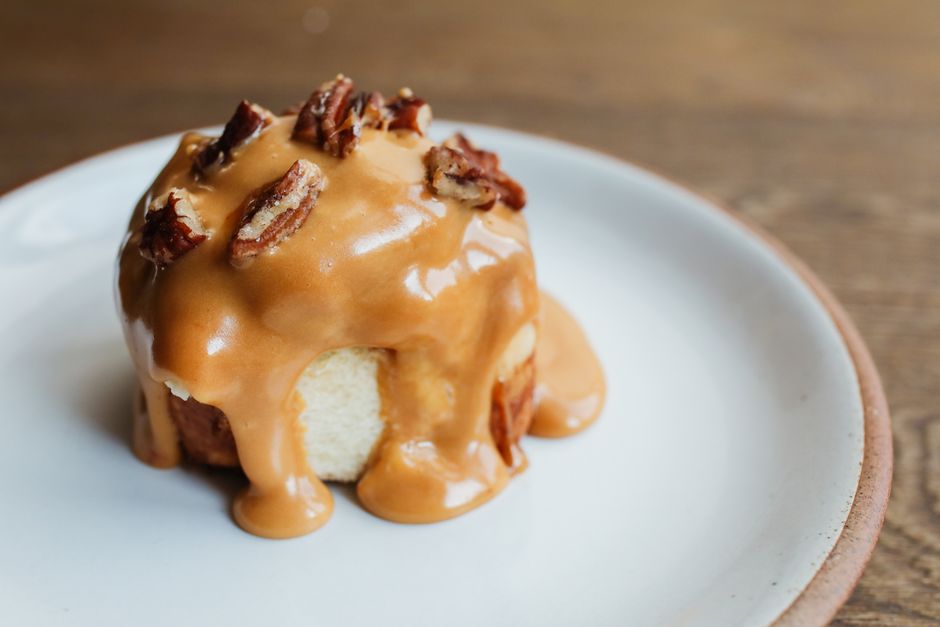
Chef John’s sticky buns represent a pinnacle of comfort food, a harmonious symphony of tender, enriched dough, a decadent, caramel-like sticky topping, and often, the satisfying crunch of toasted nuts. This article will dissect the anatomy of Chef John’s legendary sticky buns, providing an in-depth exploration of the ingredients, techniques, and science behind their unparalleled success. We will delve into the nuances of dough hydration, yeast activation, the art of caramel creation, and the crucial steps to achieving that perfect, melt-in-your-mouth texture and glossy, irresistible glaze. For home bakers seeking to elevate their pastry game, this comprehensive guide aims to demystify the process and empower them with the knowledge to replicate this iconic treat with confidence. The quest for the perfect sticky bun is a journey of precision and patience, a rewarding endeavor that culminates in a truly delightful culinary experience.
The Foundation: Crafting the Enriched Dough
The heart of any superior sticky bun lies in its dough. Chef John’s approach typically emphasizes an enriched dough, a departure from simpler bread recipes. This enrichment comes from the inclusion of fat (butter), sugar, and often eggs, which contribute to a softer, more tender crumb and a richer flavor profile. The flour of choice is generally a high-protein bread flour, providing the necessary gluten structure to withstand the rolling and shaping processes while still yielding a light and airy interior. The hydration level of the dough is paramount. Chef John often advocates for a slightly wetter dough than one might initially expect, which can be intimidating but is critical for achieving that characteristic soft, pillowy texture. This higher hydration allows for better gluten development without overworking the dough, resulting in a more tender final product.
Yeast Activation and First Rise: The Breathing Life into the Dough
The activation of yeast is a fundamental step, and Chef John’s recipes often specify using active dry yeast or instant yeast. If using active dry yeast, it must be "bloomed" in warm liquid (milk or water, often with a pinch of sugar) until foamy. This indicates the yeast is alive and active. Instant yeast, on the other hand, can often be mixed directly into the dry ingredients, though blooming still ensures optimal performance. The first rise, or bulk fermentation, is where the magic of yeast truly begins. The dough is allowed to double in size in a warm, draft-free environment. This process develops gluten, introduces complex flavors through fermentation, and creates the airy pockets that will define the final texture. Chef John’s recommendations for rise times are usually generous, allowing sufficient time for thorough fermentation, which is a cornerstone of achieving superior flavor and texture. Over-proofing at this stage can lead to a collapsed bun, while under-proofing will result in a dense, heavy product. Monitoring the dough’s visual cues – its doubled volume and a slightly domed surface – is more important than strictly adhering to a timer.
Shaping the Swirl: The Art of the Roll and Cut
Once the dough has successfully completed its first rise, it’s time for the transformative stage of shaping. The dough is gently turned out onto a lightly floured surface. Chef John’s technique often involves a gentle punch-down, expelling some of the accumulated gas but preserving enough for a tender crumb. The dough is then rolled into a large, thin rectangle. The exact dimensions are crucial, as they dictate the number of layers and the final size of the buns. A uniformly rolled rectangle ensures even distribution of the filling and consistent baking.
The Sticky Topping: A Caramel Masterclass
The "sticky" in sticky buns is attributed to the luxurious, caramel-based topping. Chef John’s recipes typically involve a combination of brown sugar, butter, and often corn syrup or honey. The brown sugar provides both sweetness and a molasses undertone, contributing to the rich, caramelly flavor. Butter adds richness and helps create a smooth, luscious texture. Corn syrup or honey acts as a humectant, preventing the sugar from crystallizing and ensuring a consistently gooey, flowing glaze. The cooking of this topping is a critical juncture. It’s usually heated gently until the sugar dissolves and the mixture thickens slightly, creating a fluid, pourable caramel. Some recipes may involve adding a touch of vanilla extract for added depth of flavor. The precise temperature and cooking time are important to avoid burning the sugar, which can result in a bitter taste.
Assembling the Buns: Layering Flavor and Texture
The assembly process is where the visual appeal and textural complexity of Chef John’s sticky buns truly come to life. A generous layer of the pre-prepared sticky topping is spread evenly across the rolled-out rectangle of dough, often leaving a small border. This is usually followed by a sprinkle of cinnamon, the classic spice that pairs so beautifully with the sweet, caramelized flavors. Some variations may include chopped nuts, such as pecans or walnuts, for an added layer of crunch and a nutty aroma. The dough is then tightly rolled, starting from one of the long edges, to create a log of uniform diameter. The tightness of the roll is important for creating distinct layers when the buns are sliced.
The Slicing and Second Rise: Precision for Perfection
Once the log is formed, it needs to be sliced into individual buns. Chef John often recommends using a sharp knife or, even better, unflavored dental floss. The floss is slid under the log and brought up and over to slice through the dough, minimizing the risk of squashing the layers. This method ensures clean cuts that preserve the integrity of the swirl. The sliced buns are then carefully placed into a prepared baking dish, usually a greased baking pan or cast-iron skillet. They should be placed close enough together to touch but not so crowded that they cannot expand during their second rise. This second rise, or proofing, allows the sliced buns to puff up and become light and airy before baking. Again, a warm, draft-free environment is ideal. The buns will noticeably increase in size and become visibly puffy.
Baking to Golden Perfection: The Crucial Final Stage
The baking temperature and time for Chef John’s sticky buns are crucial for achieving that perfect golden-brown exterior and thoroughly cooked interior. The oven should be preheated to the specified temperature, typically in the moderate range (around 350-375°F or 175-190°C). The buns are baked until the tops are golden brown and the sticky topping is bubbling and caramelized. The aroma that emanates from the oven during this stage is undeniably enticing. It’s important to avoid overbaking, which can dry out the dough and burn the caramel. Conversely, underbaking will result in a doughy, undercooked center.
The Post-Bake Embellishment: The Final Touch of Gooeyness
The moment of truth arrives after the buns have finished baking. Chef John’s sticky buns are almost always best served warm, and this includes the critical step of ensuring the topping is perfectly gooey. Immediately after removing the pan from the oven, and while the buns are still piping hot, they are carefully inverted onto a serving plate or rack. This transfers the buns from the pan, leaving the luscious, caramelized topping adhering to the top of each bun. This inversion process requires a steady hand and a bit of courage, as the topping will be extremely hot and liquid. If any topping remains stubbornly in the pan, it can be spooned over the buns. The residual heat from the buns will continue to melt and meld the topping, creating that signature sticky, glossy finish.
Troubleshooting Common Sticky Bun Pitfalls
Despite meticulous adherence to recipes, home bakers can encounter challenges. One common issue is a dense or doughy interior. This can stem from an insufficient first rise, leading to inadequate gluten development and flavor. Alternatively, the dough might have been overworked during kneading, creating too much gluten and a tough texture. Over-proofing the dough, either during the first or second rise, can also lead to collapse and a gummy texture. Another frequent problem is a hard or crystallized topping. This often occurs if the sugar is overheated or if the wrong type of sugar is used. Using granulated sugar instead of brown sugar, for instance, can lead to crystallization. Furthermore, insufficient fat in the topping can contribute to a less smooth and rich glaze. Burnt caramel is a sign of exceeding the optimal cooking temperature or cooking for too long. The key to troubleshooting lies in understanding the role of each ingredient and the impact of each step in the process. Observing the dough and the topping, rather than solely relying on timers, is the most effective way to gauge progress and identify potential issues.
Ingredient Substitutions and Variations: Customizing the Classic
While Chef John’s core recipe is a masterpiece, there’s ample room for creative customization. For those with dairy sensitivities, plant-based butters and milks can be substituted, though it might slightly alter the richness and texture. The type of nuts can be varied to suit individual preferences, from the traditional pecans to walnuts, almonds, or even a nut-free version. For an extra layer of flavor, a touch of cardamom or a pinch of ground ginger can be added to the cinnamon filling. Some bakers enjoy incorporating a drizzle of cream cheese frosting over the warm sticky buns for an added indulgence, though this deviates from the classic, pure sticky bun experience.
The Science Behind the Sweetness: Gluten, Yeast, and Caramelization
Understanding the scientific principles at play elevates the home baker’s craft. Gluten, formed from the proteins in flour when hydrated and kneaded, provides the structure that traps the gases produced by yeast, leading to the airy interior of the buns. Yeast, a living organism, consumes sugars and produces carbon dioxide gas and alcohol through fermentation. This fermentation process is responsible for the leavening and the complex flavor development. Caramelization is the browning of sugars when heated. During the caramelization process, complex flavor compounds are created, contributing to the rich, toasty notes of the sticky topping. Maillard reactions, which occur between amino acids and reducing sugars at high temperatures, also contribute to browning and flavor development during baking.
Serving and Storage: Preserving the Sticky Bun Experience
Sticky buns are undeniably at their peak when served warm, directly after being inverted from the baking pan. The gooey topping is at its most luscious, and the dough is at its softest. However, leftovers can be stored. They can be stored at room temperature in an airtight container for a day or two. For longer storage, they can be refrigerated. Reheating is best done gently in a low oven or a microwave on a low power setting to avoid drying them out. The goal is to warm them through and re-melt the topping. Freezing is also an option for longer-term storage. Once completely cooled, they can be wrapped tightly in plastic wrap and then in foil, and frozen for up to three months. Thaw overnight in the refrigerator and reheat as described above.
Chef John’s sticky buns are more than just a pastry; they are an experience. The meticulous attention to detail in the dough, the precision in shaping, the alchemy of the caramel, and the satisfying culmination of baking and inversion all contribute to a truly exceptional treat. This comprehensive exploration aims to equip aspiring bakers with the knowledge and confidence to recreate this culinary classic, transforming their kitchens into havens of sweet, sticky perfection. By understanding the science, embracing the techniques, and paying close attention to the sensory cues, any home baker can achieve the legendary results associated with Chef John’s sticky buns. The journey from raw ingredients to a warm, gooey, perfectly baked sticky bun is a testament to the power of thoughtful cooking and the enduring appeal of a well-executed comfort food classic.
