
Roasted Asparagus With Parmesan 2
The Ultimate Guide to Oven-Roasted Asparagus with Parmesan: A Simple Yet Flavorful Side Dish
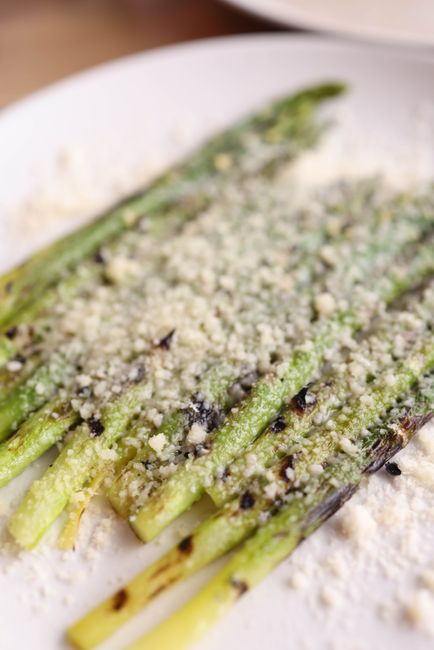
Oven-roasted asparagus with Parmesan is a quintessential side dish, celebrated for its vibrant color, satisfying texture, and straightforward preparation. This recipe transforms humble asparagus spears into a culinary delight, with the roasting process concentrating their natural sweetness and the addition of Parmesan cheese lending a savory, umami-rich finish. This comprehensive guide delves into every aspect of creating this delicious dish, from selecting the perfect asparagus to achieving optimal roasting results and exploring variations and serving suggestions. Understanding the nuances of this seemingly simple recipe can elevate it from a weeknight staple to a restaurant-quality accompaniment for any meal.
The foundation of exceptional roasted asparagus with Parmesan lies in the quality of the asparagus itself. Look for spears that are firm, bright green, and free from wilting or yellowing. The thickness of the spears is a matter of personal preference, but it’s important to consider this when determining roasting times. Thicker spears will require slightly longer to become tender, while thinner spears will cook more quickly. Avoid asparagus with woody or damaged ends, as these will not cook evenly and can impart an unpleasant texture. When purchasing, opt for bunches where the tips are tightly closed; this indicates freshness. Asparagus is best enjoyed soon after purchasing, as its quality degrades relatively quickly.
Preparation is minimal, focusing on maximizing flavor and ensuring even cooking. Begin by washing the asparagus thoroughly under cool running water to remove any dirt or grit. The next crucial step is to trim the woody ends. This can be done in a few ways. The most common method is to snap the spears. Hold each spear near the bottom and gently bend it; it will naturally break at the point where the tender part meets the tough, woody section. Alternatively, you can use a sharp knife to cut off the bottom inch or so of each spear. This ensures that only the tender, palatable parts of the asparagus make it to your plate. For uniform cooking, it’s beneficial to trim all spears to a similar length, although this is not strictly necessary.
Once prepped, the asparagus is ready to be seasoned. A simple yet effective seasoning involves olive oil, salt, and black pepper. The olive oil acts as a conduit for heat, promoting even browning and crisping, and also helps the salt and pepper adhere to the spears. Use a good quality extra virgin olive oil for optimal flavor. Toss the asparagus spears in a bowl with a generous drizzle of olive oil, ensuring each spear is lightly coated. Season with kosher salt and freshly ground black pepper to taste. Be mindful not to over-salt at this stage, as the Parmesan cheese will also contribute saltiness. Freshly cracked black pepper offers a more pungent and nuanced flavor than pre-ground pepper.
The star of the show, aside from the asparagus, is the Parmesan cheese. For the best flavor and meltability, use freshly grated Parmesan cheese. Pre-grated Parmesan often contains anti-caking agents that can hinder its ability to melt smoothly and impart a less intense flavor. You can grate it yourself using a microplane or a box grater. The quantity of Parmesan is flexible and depends on individual preference, but a good starting point is 2-4 tablespoons per pound of asparagus.
Preheating the oven is a critical step for achieving perfectly roasted asparagus. A high temperature is essential for creating those desirable charred edges and tender-crisp texture. Preheat your oven to 400°F (200°C). Using a baking sheet lined with parchment paper or aluminum foil simplifies cleanup, a welcome bonus for any busy cook. Arrange the seasoned asparagus spears in a single layer on the prepared baking sheet. Avoid overcrowding the pan, as this will cause the asparagus to steam rather than roast, resulting in a less desirable texture. If necessary, use two baking sheets.
The roasting time will vary depending on the thickness of the asparagus spears and your oven’s calibration. Typically, asparagus roasts for 10-15 minutes. For thinner spears, start checking for doneness around the 8-10 minute mark. Thicker spears might require closer to 15 minutes. The asparagus is done when it is tender-crisp, meaning it offers a slight bite but is easily pierced with a fork. The tips should be slightly caramelized, and the spears should have a vibrant green hue. Overcooking will result in limp, mushy asparagus, so it’s important to monitor it closely.
Once the asparagus is tender and slightly browned, it’s time to incorporate the Parmesan cheese. Remove the baking sheet from the oven and immediately sprinkle the freshly grated Parmesan cheese evenly over the hot asparagus. The residual heat from the asparagus and the baking sheet will be enough to melt the cheese, creating a delicious, savory coating. For an extra touch of flavor, you can return the baking sheet to the oven for an additional 1-2 minutes, just until the cheese is melted and slightly golden. Be careful not to burn the cheese.
The beauty of roasted asparagus with Parmesan lies in its versatility. It serves as an excellent accompaniment to a wide range of main courses. It pairs wonderfully with grilled or roasted meats such as chicken, steak, pork chops, and lamb. Its delicate flavor also complements fish dishes, from baked salmon to pan-seared cod. For vegetarian or vegan meals, it can be served alongside lentil loaves, tofu steaks, or hearty grain bowls. It’s also a fantastic addition to pasta dishes, particularly those with creamy sauces, or as a component in frittatas and quiches.
Beyond its role as a side, roasted asparagus with Parmesan can be a star in its own right. It can be tossed with cooked pasta or grains to create a light and flavorful salad. It can also be chopped and added to omelets or scrambled eggs for a gourmet breakfast or brunch option. The slightly charred flavor of the roasted asparagus adds a unique dimension to these dishes.
Several variations can enhance the flavor profile of roasted asparagus with Parmesan. Garlic is a natural pairing with both asparagus and Parmesan. You can mince a couple of cloves of fresh garlic and toss them with the asparagus along with the olive oil, salt, and pepper before roasting. Be mindful that minced garlic can burn quickly, so you may want to add it in the last 5-7 minutes of roasting or roast it with the asparagus from the beginning if you prefer a more mellow garlic flavor.
Lemon zest or a squeeze of fresh lemon juice added after roasting provides a bright, zesty counterpoint to the richness of the Parmesan and the sweetness of the asparagus. This is particularly refreshing during warmer months. A pinch of red pepper flakes can add a subtle hint of heat, appealing to those who enjoy a touch of spice. Toasted nuts, such as slivered almonds or pine nuts, can be sprinkled over the finished dish for added texture and nutty flavor. Balsamic glaze, drizzled over the roasted asparagus, offers a sweet and tangy contrast.
For a more decadent version, consider adding a touch of butter along with the olive oil for roasting, or a sprinkle of crumbled bacon or pancetta after roasting for an extra savory kick. If you are looking for a dairy-free option, omit the Parmesan cheese and consider nutritional yeast for a cheesy, umami flavor, or simply enjoy the perfectly roasted asparagus with garlic and herbs.
Proper storage of leftover roasted asparagus with Parmesan is important to maintain its quality. Allow the asparagus to cool completely before transferring it to an airtight container. It can be stored in the refrigerator for 2-3 days. Reheating can be done gently in a preheated oven or a skillet over medium-low heat to help revive some of its crispness. Microwaving is an option, but it can often lead to a softer texture.
The nutritional benefits of asparagus are noteworthy. It is a good source of fiber, vitamins (particularly A, C, K, and folate), and minerals. Roasting, when done with minimal oil, is a healthy cooking method that preserves these nutrients. Parmesan cheese, while containing fat and sodium, also provides protein and calcium.
Troubleshooting common issues can ensure success with this recipe. If your asparagus is woody, it is likely due to not trimming the ends properly or selecting older asparagus. If it is too limp, it was likely overcooked or steamed due to overcrowding the pan. If the Parmesan is clumpy, it might be from using pre-grated cheese or not adding it immediately after removing the asparagus from the oven.
In conclusion, oven-roasted asparagus with Parmesan is a simple yet profoundly satisfying dish that offers a wealth of flavor and nutritional value. By paying attention to the quality of your ingredients, mastering the roasting technique, and understanding the potential for customization, you can consistently produce a side dish that is both elegant and approachable. Its ease of preparation makes it a weeknight essential, while its refined taste and presentation make it suitable for any occasion. This dish exemplifies how humble ingredients, treated with care and technique, can result in culinary excellence. The harmonious interplay of the slightly sweet, tender asparagus, the savory richness of Parmesan, and the subtle char from roasting creates a truly memorable dining experience. Mastering this recipe is a valuable skill for any home cook looking to add a delicious and healthy vegetable side to their repertoire.
