
Johannesburg Building Fire Arrest
Johannesburg Building Fire Arrest: A Critical Analysis of Causes, Consequences, and Preventative Measures
The devastating fire that engulfed the Usindiso building in the Johannesburg CBD on August 31, 2023, resulting in a tragic loss of life and widespread destruction, has ignited a critical examination of building safety, governance, and the underlying socio-economic factors that contribute to such catastrophic events. This article delves into the multifaceted aspects of this disaster, exploring the immediate causes, the long-term systemic issues, the profound consequences, and crucially, the necessary preventative measures to avert future tragedies. The incident, which claimed at least 77 lives and injured dozens, has cast a harsh spotlight on the precarious living conditions in illegally occupied buildings and the urgent need for effective intervention.
The immediate cause of the Usindiso building fire, while undergoing official investigation, is widely believed to have been an unattended brazier or paraffin stove used by residents for cooking or heating, exacerbated by the highly flammable materials that had accumulated within the building. Reports from survivors and emergency services personnel consistently point to the presence of a labyrinthine network of makeshift dwellings constructed from salvaged materials such as cardboard, wood, and plastic. These materials, inherent fire hazards, created an environment where a small spark could rapidly escalate into an uncontrollable inferno. The sheer density of human occupation, with estimates suggesting hundreds of individuals were crammed into the building, further amplified the speed and intensity of the fire’s spread. Escape routes were severely compromised, with many windows boarded up and internal corridors obstructed by these informal settlements. The lack of functional fire suppression systems, including sprinklers, alarms, and accessible fire exits, meant that residents had little to no means of escape or warning.
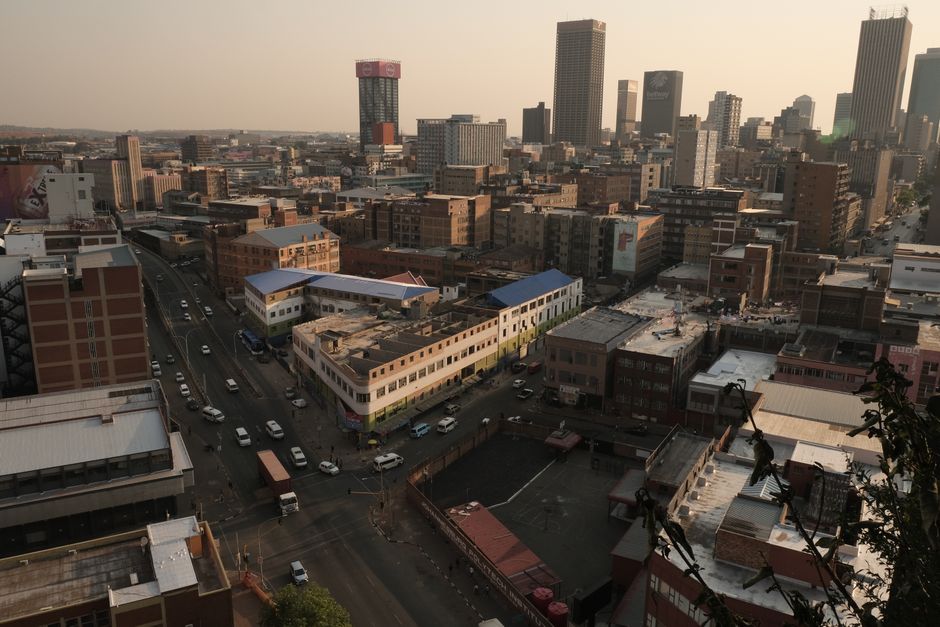
Beyond the immediate trigger, the Usindiso fire is a stark symptom of deeper, entrenched systemic failures. The Johannesburg CBD, like many urban centers in South Africa, faces a severe housing crisis. Decades of inadequate urban planning, insufficient affordable housing initiatives, and a burgeoning population have led to a significant number of buildings being derelict, abandoned, or illegally occupied. These buildings, often owned by absentee landlords or municipalities themselves, become havens for informal settlements, attracting vulnerable populations, including undocumented immigrants, the unemployed, and those seeking refuge from precarious living situations. The Usindiso building, a former government-owned dormitory, had been neglected for years, falling into disrepair and becoming a target for criminal syndicates who illegally rent out space to desperate individuals. This "Zoning and Land Grabbing" phenomenon, where organized criminal elements exert control over abandoned properties and exploit occupants, is a critical factor that needs to be addressed. The lack of effective property management and oversight by responsible authorities allows these situations to fester, transforming once-functional structures into tinderboxes.
The consequences of the Usindiso building fire are far-reaching and deeply distressing. The most immediate and profound impact is the tragic loss of human life. The sheer number of fatalities underscores the extreme vulnerability of the building’s inhabitants and the catastrophic failure of existing safety nets. Beyond the fatalities, the injured face physical and psychological trauma, requiring extensive medical care and long-term support. The displacement of hundreds of survivors, who have lost their homes and meager possessions, creates an urgent humanitarian crisis. Many of these individuals lack identification and are already marginalized, making it challenging for them to access emergency shelter and social services. Economically, the fire represents a significant loss of potential human capital and places an additional burden on already stretched public resources for emergency response, medical care, and temporary housing. The incident also has a detrimental impact on the image of Johannesburg as a functional and safe city, potentially deterring investment and tourism. Furthermore, the fire highlights the ongoing struggle of many residents to access basic human rights, including safe and dignified housing, a right enshrined in the South African Constitution.
Preventative measures must be multi-pronged, addressing both immediate safety concerns and the underlying socio-economic drivers. Firstly, enhanced building safety and compliance enforcement is paramount. This requires a proactive approach rather than a reactive one. Municipal authorities need to conduct regular, unannounced inspections of all buildings, particularly those in the CBD and identified as high-risk. This includes verifying adherence to fire safety regulations, structural integrity, and occupancy limits. A dedicated and adequately resourced building inspectorate, free from corruption, is essential. Legislation needs to be reviewed and strengthened to ensure that absentee landlords and property owners are held accountable for maintaining safe living conditions. Stricter penalties for non-compliance, including significant fines and the possibility of asset forfeiture, should be implemented.
Secondly, addressing the housing crisis is crucial. This goes beyond emergency responses and requires long-term strategic planning. The government must prioritize the development of affordable and adequate housing options for low-income residents. This includes the construction of new social housing projects, the refurbishment of existing derelict buildings into safe and legal residential units, and the implementation of rental subsidies. For illegally occupied buildings, a humane and phased approach is necessary. Rather than simply evicting occupants without alternative arrangements, authorities should engage with residents to understand their needs and facilitate their relocation to safe and designated accommodation. This could involve temporary shelters, community housing initiatives, or support for finding stable employment and housing.
Thirdly, combating organized crime and illegal occupation syndicates is a critical component of prevention. These syndicates exploit vulnerable populations for financial gain, creating dangerous and exploitative living conditions. Law enforcement agencies need to intensify efforts to dismantle these networks, prosecuting those involved and confiscating illegally acquired properties. Intelligence gathering and collaborative efforts between police, municipal authorities, and community organizations are vital in identifying and disrupting these operations. Empowering and supporting the rightful owners of abandoned properties to reclaim and redevelop them, while ensuring the safety of existing occupants during this process, is also important.
Fourthly, improving emergency preparedness and response capabilities is essential. This includes ensuring that fire departments are adequately funded, equipped with the latest technology, and staffed with well-trained personnel. Regular training exercises, including simulated building fires, are necessary to refine response protocols and coordination between different emergency services. Public awareness campaigns on fire safety, evacuation procedures, and the importance of reporting unsafe building conditions should be a continuous effort. The community itself needs to be empowered to identify and report hazards.
Fifthly, strengthening urban governance and inter-departmental coordination is vital. The Usindiso fire highlighted a breakdown in communication and collaboration between various municipal departments, including housing, planning, and emergency services. Establishing clear lines of responsibility and fostering a culture of accountability is essential. A centralized authority with the mandate to oversee building safety and housing issues, with clear reporting structures and decision-making powers, would be beneficial. Data collection and analysis related to building occupancy, safety violations, and housing needs are crucial for informed decision-making.
Finally, engaging with and supporting vulnerable communities is a fundamental aspect of long-term prevention. The occupants of buildings like Usindiso are often marginalized and lack a voice. Establishing channels for their participation in decision-making processes related to their housing and safety is important. Providing access to legal aid, social services, and skills development programs can empower these individuals and communities to advocate for their rights and improve their living conditions. The role of civil society organizations and community leaders in facilitating dialogue and supporting these vulnerable groups cannot be overstated.
The Johannesburg building fire, particularly the Usindiso incident, serves as a tragic but powerful catalyst for change. It is a call to action for all stakeholders – government at all levels, property owners, businesses, and citizens – to collaborate and implement sustainable solutions. Without a fundamental shift in approach, prioritizing safety, dignity, and the well-being of all residents, similar tragedies will continue to haunt our urban landscapes. The lessons learned from this disaster must translate into concrete policy changes, robust enforcement mechanisms, and a renewed commitment to creating safer, more equitable cities for everyone. The goal is not merely to arrest future fires but to proactively build a society where such preventable disasters become a relic of the past, ensuring that every citizen has access to a safe and dignified place to call home. The complex web of factors that led to the Usindiso tragedy demands a holistic and sustained response, moving beyond temporary fixes to address the root causes of urban decay, housing insecurity, and systemic neglect. The ethical imperative to protect human life and prevent future suffering must drive the implementation of these critical preventative measures.
