
Article Pairing The Perfect Steak With The Cooking Method
The Perfect Steak: Matching the Cut with the Ideal Cooking Method
Selecting the perfect steak involves a nuanced understanding of both the cut of beef and its inherent characteristics. Different cuts possess varying degrees of marbling (intramuscular fat), tenderness, and connective tissue, each dictating the most appropriate cooking method to unlock its optimal flavor and texture. This article will systematically explore popular steak cuts and their ideal culinary companions, ensuring a delicious and satisfying steak experience.
Tenderloin, also known as the filet mignon, is the epitome of tenderness. This muscle experiences minimal work, resulting in a buttery, melt-in-your-mouth texture. Its leanness, however, means it can dry out quickly if overcooked. The superior tenderness of the tenderloin makes it exceptionally well-suited to pan-searing or broiling. Pan-searing in a cast-iron skillet, often with a touch of butter, garlic, and herbs like rosemary and thyme, builds a beautiful crust while preserving the steak’s succulent interior. The high, direct heat promotes rapid searing without overcooking the delicate muscle fibers. Broiling, similarly, utilizes intense, radiant heat from above, achieving a similar crust and interior doneness. For a tenderloin, precise temperature control is paramount. Medium-rare to medium is generally the preferred doneness, allowing the steak to retain its inherent moisture and tenderness. Overcooking a tenderloin is a culinary sin, sacrificing its most prized attribute. Due to its inherent tenderness and lack of significant connective tissue, tenderloin is generally not a prime candidate for low-and-slow cooking methods like smoking or braising, as these methods are better suited to breaking down tougher cuts.
Ribeye is a steak renowned for its rich flavor and exceptional marbling. The prominent fat cap and intramuscular fat contribute to its juiciness and robust taste. This inherent fattiness makes ribeye forgiving and incredibly flavorful. The ideal cooking methods for ribeye are grilling and pan-searing. Grilling, especially over charcoal or wood, imparts a smoky depth that complements the steak’s richness. The grill’s direct heat creates a desirable sear, while the fat renders and bastes the meat, enhancing its juiciness. Pan-searing, again, is an excellent alternative, particularly in colder weather or when a consistent crust is desired. The fat within the ribeye will render beautifully in the hot pan, contributing to both flavor and moisture. Ribeye is forgiving and can be cooked to a variety of doneness levels, though medium-rare to medium is often considered ideal to appreciate its marbling without rendering all the fat. Tougher cuts that might benefit from slow cooking can also be prepared as a ribeye roast, benefiting from extended time in the oven.
New York Strip, also known as the strip steak or Kansas City strip, offers a fantastic balance of tenderness and beefy flavor. It possesses a firm texture with a good amount of marbling, though typically less than a ribeye. A strip of fat runs along one edge, which can be rendered for added flavor. The best cooking methods for a New York strip are grilling and pan-searing. Similar to the ribeye, grilling provides a smoky char and allows the fat to render. Pan-searing in a hot cast-iron skillet is equally effective, creating a satisfying crust. The New York strip is also a good candidate for reverse searing, a technique that involves slow-cooking the steak in a low oven until it reaches close to its desired internal temperature, then finishing it with a quick, high-heat sear on the grill or in a pan. This method ensures even cooking throughout and a perfect crust. Medium-rare to medium is generally recommended to best enjoy its flavor and texture.
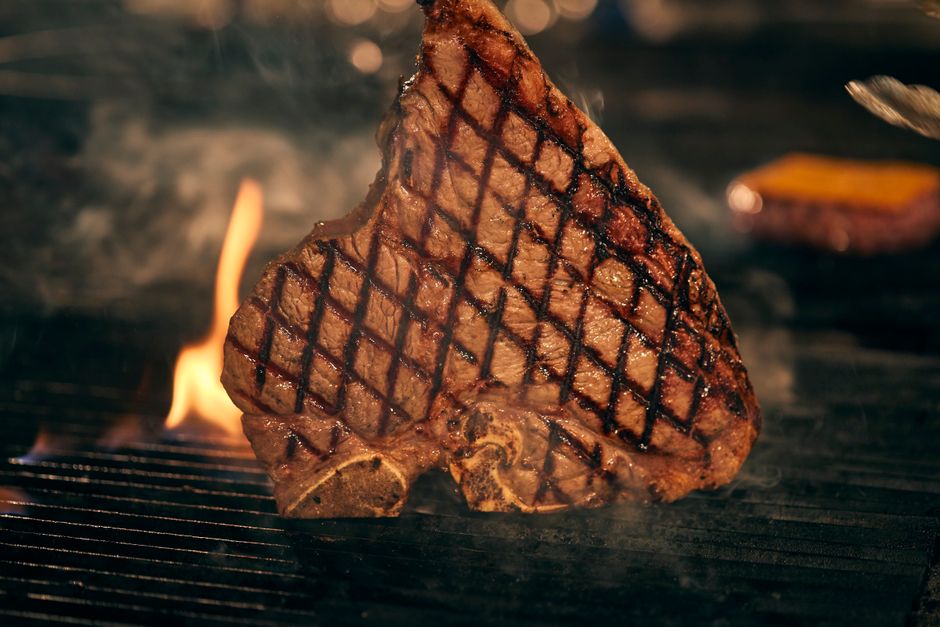
Porterhouse and T-Bone steaks are unique in that they contain both a portion of the tenderloin and a portion of the strip steak, separated by a characteristic bone. This duality offers the best of both worlds: the tenderness of the filet and the robust flavor of the strip. The bone itself also contributes to flavor during cooking. The ideal cooking methods for these bone-in behemoths are grilling and pan-searing. Grilling is particularly effective as the bone insulates the meat, contributing to more even cooking and a richer flavor. The direct heat sears the exterior beautifully while the bone helps regulate the internal temperature. Pan-searing is also viable, but requires careful attention to ensure both sides of the bone are exposed to sufficient heat. Due to the two distinct muscle groups with varying tenderness, achieving perfect doneness can be a nuanced endeavor. Often, one side may cook slightly faster than the other. Aiming for medium-rare to medium on the strip side is generally a good benchmark, understanding that the tenderloin portion may lean towards medium.
Flank steak and skirt steak are known for their strong beefy flavor and their fibrous, often tougher texture. These cuts are characterized by long, distinct muscle fibers. Their toughness makes them less ideal for quick, high-heat searing as a standalone steak meant to be sliced and eaten whole. Instead, these cuts shine when subjected to methods that either tenderize them or leverage their texture to their advantage. Marinating is crucial for both flank and skirt steak, as the acids in the marinade help break down connective tissue and infuse flavor. Grilling is an excellent method, as the high heat creates a good char and allows for quick cooking. The key to enjoying flank and skirt steak is slicing against the grain after cooking. This dramatically shortens the muscle fibers, making the steak significantly more tender to chew. Broiling is also a viable option, offering similar results to grilling. These cuts are often used in dishes like fajitas, stir-fries, or salads where they are thinly sliced.
Chuck steak, while a more budget-friendly option, offers a deeply beefy flavor. It comes from the shoulder area of the cow and contains a good amount of connective tissue and fat, making it tough when cooked quickly. This cut is ideally suited for braising or stewing. Low and slow cooking in a liquid environment allows the collagen in the connective tissue to break down into gelatin, resulting in incredibly tender and flavorful meat. Think of classic pot roast or beef stew. The long cooking time also allows the fat to render and baste the meat, adding richness. While some might attempt to grill a chuck steak, it will likely be tough and unappealing unless marinated extensively and cooked to a very high internal temperature, where it would then be more akin to a well-done roast.
Brisket, famously used for barbecue, is a tough cut with significant connective tissue and fat, originating from the breast of the cow. Its characteristic toughness demands low and slow cooking methods such as smoking or braising. Smoking, the quintessential method for brisket, involves cooking at low temperatures for extended periods (often 12-18 hours) over wood smoke. This process not only tenderizes the meat but also infuses it with a complex smoky flavor. Braising in a liquid, often with aromatics and vegetables, achieves a similar tenderization effect, yielding a rich, fork-tender result. Brisket is best enjoyed when it reaches an internal temperature that allows the collagen to fully break down, typically around 200-204°F (93-96°C).
Tri-tip, a triangular cut from the bottom sirloin, is lean but flavorful with a distinct grain. It’s a popular choice for grilling and roasting. The ideal method is grilling or roasting, typically cooked to medium-rare to medium. Similar to flank steak, slicing tri-tip against the grain is crucial for maximizing tenderness. Tri-tip also benefits from marinades, which can enhance its flavor and help with tenderization. The balanced fat content and muscle structure make it a versatile cut that can be enjoyed sliced for sandwiches or as a standalone steak.
Understanding the interplay between fat content, marbling, and connective tissue is the cornerstone of successful steak preparation. Leaner, more tender cuts like tenderloin thrive on quick, high-heat methods that preserve their delicate texture. Fattier, more flavorful cuts like ribeye and strip steak can handle a wider range of methods, with grilling and pan-searing being top choices. Tougher cuts like flank, skirt, chuck, and brisket require low and slow cooking or specific preparation techniques like marinating and slicing against the grain to become palatable. By aligning the cooking method with the inherent characteristics of each steak cut, home cooks can consistently achieve restaurant-quality results, unlocking the full potential of their chosen beef. Mastery of these pairings elevates the simple act of cooking a steak into a culinary art form, delivering unparalleled flavor and satisfaction.
