
Beans Olives Ci Siamo Recipe
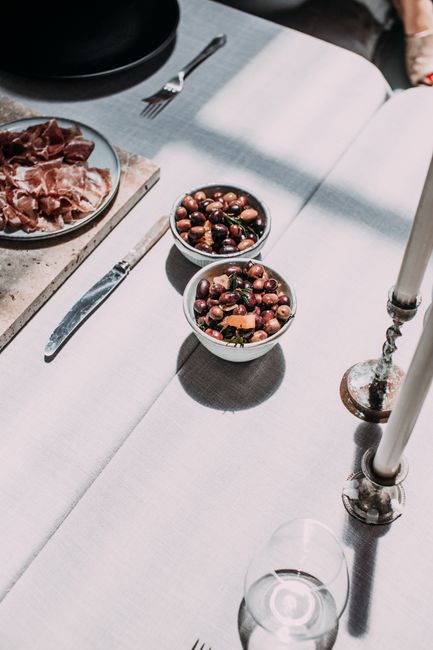
Beans Olives Ci Siamo: A Rustic Italian Symphony of Simplicity and Flavor
The "Beans Olives Ci Siamo" recipe, a deceptively simple yet profoundly flavorful dish, embodies the rustic heart of Italian cuisine. Its name, loosely translating to "Beans Olives, Here We Are," hints at its unpretentious origins and its ability to deliver satisfaction with minimal fuss. This dish is not about complex techniques or exotic ingredients; rather, it’s a testament to the power of high-quality staples transformed into a comforting and deeply satisfying meal. At its core, the recipe revolves around the earthy sweetness of beans, the briny punch of olives, and a foundation of aromatic aromatics that sing with the essence of the Mediterranean. While variations abound, the fundamental principles remain: letting the natural flavors of the ingredients shine through with minimal intervention. This approach is not only delicious but also incredibly adaptable, making it a perfect candidate for everyday cooking, weeknight dinners, or even as a hearty side dish. The beauty of "Beans Olives Ci Says" lies in its accessibility, requiring common pantry staples that are readily available, making it a go-to for busy cooks seeking wholesome and delicious results. Its inherent versatility allows for personalization, encouraging cooks to experiment with different bean varieties, olive types, and even the addition of complementary ingredients, further cementing its status as a beloved and enduring recipe.
The foundation of any great "Beans Olives Ci Siamo" recipe begins with the beans. Traditionally, cannellini beans, also known as white kidney beans, are the preferred choice due to their creamy texture and mild, slightly nutty flavor that readily absorbs other tastes. Dried beans offer the most authentic and cost-effective option, though they require pre-soaking and longer cooking times. The soaking process is crucial for both reducing cooking time and aiding digestion. Overnight soaking is the most common method, but a quick soak (boiling dried beans for one minute, then letting them sit in the hot water for an hour) can be a time-saver. After soaking, the beans are rinsed thoroughly and then simmered in fresh water, often with an aromatic like a bay leaf, a clove of garlic, or a sprig of rosemary, until tender. The cooking time will vary depending on the age of the beans, but aim for a consistency that is creamy and yielding, not mushy. Canned beans offer a convenient alternative, drastically reducing preparation time. When using canned beans, it is essential to rinse them thoroughly under cold water to remove excess sodium and any starchy liquid. While canned beans may not possess the same depth of flavor as their dried counterparts, they are an excellent option for those seeking a quicker meal. The choice between dried and canned beans ultimately depends on individual preference, time constraints, and desired outcome, but for a truly traditional and robust flavor profile, dried beans are highly recommended. Experimenting with other white bean varieties like Great Northern or Navy beans can also yield delightful results, offering subtle variations in texture and taste.
Olives are the other star ingredient, providing a crucial salty, briny counterpoint to the creamy beans. The type of olive significantly impacts the final flavor profile. Kalamata olives, with their deep purple hue and robust, fruity taste, are a popular choice. Their rich flavor stands up well to the earthiness of the beans. Castelvetrano olives, known for their vibrant green color and buttery texture with a mild, sweet flavor, offer a gentler, more nuanced olive experience. Other suitable options include Ligurian olives, Gaeta olives, or even simple black ripe olives, though the latter may possess a less complex flavor. It’s important to use pitted olives for ease of consumption, or if using olives with pits, to clearly warn diners. The quantity of olives can be adjusted to personal preference; some recipes call for a generous amount to ensure a pronounced olive flavor in every bite, while others use them more sparingly as a supporting player. The quality of the olives is paramount; opting for good quality, brine-cured olives will elevate the dish considerably. Avoid pre-sliced or marinated olives in artificial solutions, as these can detract from the authentic taste of the dish.
The aromatic base of "Beans Olives Ci Siamo" typically involves a soffritto, a finely diced mixture of vegetables sautéed to release their sweet essences. The core components are usually garlic and onion, often rendered in good quality olive oil. Red onion or yellow onion can be used, each imparting a slightly different sweetness. The garlic is typically minced or thinly sliced, and its cooking time needs careful management to avoid bitterness; it should be softened and fragrant, not browned and crispy. Some recipes incorporate celery and/or carrots, adding further layers of sweetness and texture. These vegetables are diced finely to ensure they soften and meld seamlessly with the beans. The sautéing process is crucial: the vegetables should be cooked over medium-low heat until softened and translucent, allowing their sugars to caramelize gently. This slow cooking process is what unlocks their full flavor potential, providing a rich and complex foundation for the dish. The quality of the olive oil used is also noteworthy. A good extra virgin olive oil will impart its own distinct fruity notes, enhancing the overall flavor profile of the dish.
Beyond the beans, olives, and aromatics, several other elements contribute to the "Beans Olives Ci Siamo" experience. Fresh herbs are essential for adding brightness and complexity. Parsley, finely chopped, is a common addition, offering a fresh, herbaceous counterpoint. Rosemary, either fresh or dried, provides a more pungent, pine-like aroma that pairs exceptionally well with beans and olives. Thyme, with its subtle earthy and minty notes, is another excellent herb choice. Some variations might include a pinch of red pepper flakes for a gentle warmth, or a splash of white wine to deglaze the pan and add a touch of acidity. Tomatoes, either fresh diced or canned crushed tomatoes, are sometimes incorporated to add a touch of acidity and moisture, creating a more saucy consistency. However, for a purer rendition, many recipes omit tomatoes to let the beans and olives truly shine. The liquid used to cook or bind the dish is often the cooking liquid from the beans, which is rich in starch and flavor, or sometimes vegetable broth for added depth. Seasoning with salt and freshly ground black pepper is, of course, fundamental. The salt should be added judiciously, considering the brininess of the olives.
The preparation of "Beans Olives Ci Siamo" is remarkably straightforward, prioritizing ease and accessibility. Begin by preparing your beans. If using dried beans, ensure they have been soaked and cooked until tender. Drain them, reserving some of the cooking liquid. If using canned beans, rinse them thoroughly. In a large skillet or pot, heat a generous amount of good quality olive oil over medium heat. Add the finely diced onion (and celery and carrots, if using) and sauté until softened and translucent, about 5-7 minutes. Add the minced garlic and sauté for another minute until fragrant, being careful not to burn it. If using red pepper flakes, add them now. Deglaze the pan with a splash of white wine, scraping up any browned bits from the bottom of the pan. Once the wine has mostly evaporated, add the cooked beans to the skillet. Add the pitted olives, and if using, the diced tomatoes or crushed tomatoes. Stir to combine all the ingredients. If the mixture appears too dry, add a ladleful of the reserved bean cooking liquid or vegetable broth to create a slightly saucy consistency. Add your chosen fresh herbs, such as chopped parsley, and season with salt and freshly ground black pepper to taste. Gently stir everything together and allow the flavors to meld for a few minutes over low heat. The goal is to warm everything through and allow the beans to absorb the flavors of the aromatics and olives.
Serving "Beans Olives Ci Siamo" is as versatile as its preparation. It is often served as a warm appetizer, or antipasto, in small bowls, allowing diners to savor its robust flavors. It also functions beautifully as a hearty side dish, complementing grilled meats, roasted chicken, or fish. For a simple yet satisfying vegetarian main course, it can be served alongside crusty bread for dipping, or even over a bed of pasta or polenta. The rustic charm of the dish lends itself well to casual dining settings. Garnish with an extra drizzle of olive oil and a scattering of fresh parsley or a sprig of rosemary before serving. The dish is best enjoyed warm, but it also holds up well at room temperature, making it a suitable option for potlucks or picnics. The lingering aroma of garlic, herbs, and olives is a testament to its comforting and inviting nature.
The SEO potential of the "Beans Olives Ci Siamo" recipe lies in its inherent appeal to a broad audience searching for authentic, healthy, and easy-to-prepare Italian dishes. Keywords such as "Italian bean recipe," "olive recipe," "Mediterranean side dish," "vegetarian main course," "quick weeknight dinner," "simple Italian cooking," and specific ingredient names like "cannellini bean recipe" or "Kalamata olive recipe" will attract organic search traffic. Optimizing the content with variations of these keywords throughout the article, using descriptive language, and ensuring a clear, well-structured format will enhance its search engine ranking. The inherent appeal of "Ci Siamo" as a culinary concept, suggesting immediacy and presence, also lends itself to search queries like "what to make with beans and olives" or "easy Italian antipasto." The emphasis on healthy ingredients like beans and olives also aligns with searches for "healthy Italian food" or "plant-based Mediterranean meals." By consistently using relevant keywords and providing comprehensive information about the ingredients, preparation, and serving suggestions, the article can achieve high visibility in search results for those seeking this particular dish or similar Italian culinary experiences. Furthermore, the use of long-tail keywords like "how to cook dried cannellini beans with olives and herbs" will capture more specific searches, bringing highly qualified traffic to the page. The inherent simplicity and adaptability of the recipe also make it a prime candidate for recipe-sharing platforms and food blogs, further amplifying its online reach and discoverability.
Variations and additions to the "Beans Olives Ci Says" recipe offer endless possibilities for personalization. For a heartier meal, consider adding cooked Italian sausage, crumbled and browned, to the soffritto. Pancetta, diced and rendered crispy, can also add a delightful salty and savory dimension. For a more vibrant and zesty flavor profile, incorporate sun-dried tomatoes, rehydrated and chopped, or a squeeze of fresh lemon juice just before serving. Some cooks enjoy adding a handful of capers for an extra salty, tangy kick. Artichoke hearts, quartered or chopped, can provide a tender, slightly acidic element that complements the other ingredients. For those who appreciate a touch of heat, beyond red pepper flakes, a finely chopped jalapeño or a small amount of Calabrian chili paste can be incorporated. A sprinkle of grated Pecorino Romano or Parmesan cheese over the finished dish adds a salty, nutty finish. For a creamy, richer texture, a small dollop of ricotta cheese stirred in at the end can be a delightful addition, though this moves away from the purer rustic rendition. The beauty of this dish lies in its flexibility, allowing individuals to tailor it to their specific taste preferences and pantry availability. Experimentation is encouraged, as each variation can unlock a new dimension of flavor and texture, ensuring that "Beans Olives Ci Says" remains a dynamic and ever-evolving culinary staple. The inclusion of other legumes, such as borlotti beans or even chickpeas, can also be explored, offering different textures and subtle flavor nuances. The key is to maintain the balance of earthy beans, briny olives, and aromatic foundations that define this classic Italian preparation.
