
Sept 22 Autumn Is Here
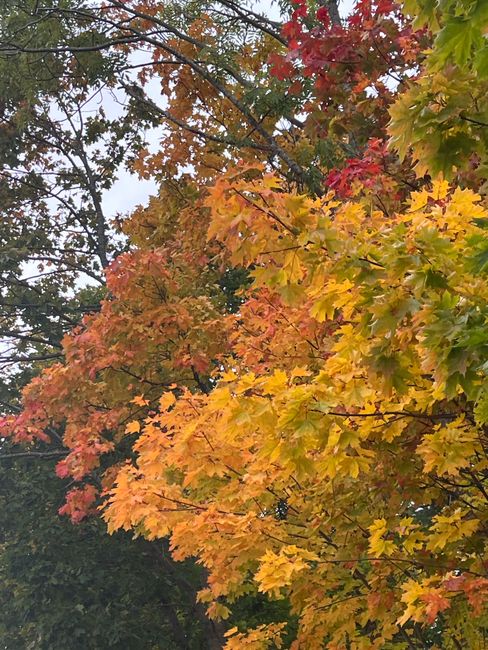
September 22: Autumn Arrives, Ushering in a Season of Change and Opportunity
The autumnal equinox, occurring on or around September 22nd each year, marks a significant celestial event: the official transition from summer to autumn in the Northern Hemisphere. This precise moment signifies an equal division of daylight and darkness across the globe, a fleeting period of perfect balance before the days begin to shorten and the natural world prepares for its dormancy. Beyond its astronomical significance, September 22nd acts as a powerful catalyst for change, influencing everything from agricultural cycles and wildlife behavior to human psychology and economic activity. Understanding these multifaceted impacts is crucial for individuals and industries alike to adapt, optimize, and thrive during this pivotal seasonal shift.
The agricultural sector is intrinsically tied to the rhythms of the seasons, and the arrival of autumn on September 22nd represents the culmination of a year’s hard work for farmers. This period is characterized by harvest, a time of reaping the rewards of spring planting and summer growth. Grains like wheat, corn, and soybeans, which have matured throughout the warmer months, are now ready for collection. Root vegetables, such as potatoes, carrots, and beets, have developed their full flavor and nutritional content underground. The abundance of the harvest season not only feeds populations but also fuels global food supply chains, impacting commodity prices and international trade. For consumers, this means a renewed availability of fresh, seasonal produce, often at more competitive prices. The transition to autumn also necessitates changes in farming practices. As temperatures cool and daylight hours diminish, the focus shifts from active growth to soil preparation for the following year. Farmers begin to till fields, incorporate cover crops to enrich the soil, and manage crop residues. This period is also critical for planning and seed ordering for the next planting cycle, ensuring the continued productivity of agricultural lands. The economic implications of the harvest are far-reaching, influencing not only the agricultural sector itself but also related industries like food processing, transportation, and retail. Fluctuations in crop yields due to weather patterns or pest infestations can have ripple effects throughout the economy, highlighting the vulnerability and importance of this seasonal transition.
Wildlife activity undergoes a dramatic transformation with the arrival of autumn on September 22nd. Animals, attuned to these cyclical changes, begin to prepare for the leaner months ahead. Migratory birds, sensing the shift in temperature and the dwindling insect populations, initiate their long journeys south to warmer climates. This mass exodus is a breathtaking natural spectacle, observed by millions worldwide. For resident wildlife, the focus shifts to food acquisition and preparation for winter. Squirrels and other rodents hoard nuts and seeds, creating vital caches for survival. Bears and other hibernating mammals engage in hyperphagia, consuming vast amounts of food to build up fat reserves. Deer and other herbivores experience changes in their diets, adapting to the availability of forage. The insect populations, while declining in some species, often see a surge in others as they prepare to overwinter. Understanding these behavioral shifts is paramount for conservation efforts, wildlife management, and even for recreational activities like birdwatching and hunting. For instance, knowledge of migratory patterns allows for the protection of crucial stopover points along flight paths, while understanding hibernation cycles informs efforts to mitigate human-wildlife conflict in areas where animals may seek shelter. The interconnectedness of ecosystems becomes starkly evident during this period, as the decline of one species can have cascading effects on others.
The psychological and physiological impacts of the changing seasons, particularly the arrival of autumn on September 22nd, are well-documented. As daylight hours decrease and temperatures drop, many individuals experience shifts in mood and energy levels. This phenomenon, often referred to as Seasonal Affective Disorder (SAD), can manifest as fatigue, irritability, and a decreased interest in activities. Conversely, for others, autumn brings a sense of coziness, introspection, and a renewed appreciation for indoor activities. The changing colors of the foliage, the crisp air, and the bounty of the harvest can evoke feelings of nostalgia and comfort. Physiologically, the body’s circadian rhythms adjust to the altered light cycles, influencing sleep patterns and hormone production, such as melatonin, which is released in response to darkness. This can lead to increased feelings of sleepiness during the day. Understanding these psychological and physiological responses is important for promoting well-being. Strategies such as increased exposure to natural light, maintaining regular sleep schedules, engaging in physical activity, and seeking social connection can help mitigate the negative effects of seasonal changes. For mental health professionals, this period requires an awareness of the potential for increased mood-related challenges.
From a business and economic perspective, September 22nd and the subsequent autumn season present a unique set of opportunities and challenges. Retailers often see a surge in sales of seasonal items, from back-to-school supplies to Halloween decorations and Thanksgiving-related products. The fashion industry gears up for autumn collections, with consumers investing in warmer clothing and accessories. The tourism sector experiences a shift, with destinations offering fall foliage tours, harvest festivals, and outdoor recreational activities becoming popular. However, businesses in sectors reliant on outdoor activities or long daylight hours may see a slowdown. Energy consumption patterns also change, with increased demand for heating as temperatures decline, impacting utility companies and energy markets. The shift in consumer spending and business activity necessitates strategic planning for inventory management, marketing campaigns, and resource allocation. For instance, companies that sell seasonal goods must carefully manage their supply chains to ensure timely delivery, while those that rely on warmer weather may need to diversify their offerings or focus on indoor-related services. The economic outlook for the autumn months is often influenced by factors such as consumer confidence, inflation rates, and global economic trends, making this transitional period a crucial indicator of broader economic health.
The cultural significance of autumn, marked by the September 22nd equinox, is deeply embedded in human history and tradition. Across various cultures, this time of year is celebrated with festivals, holidays, and rituals that acknowledge the harvest, the changing natural world, and the anticipation of winter. Harvest festivals, such as Thanksgiving in North America and various harvest celebrations in Europe and Asia, are dedicated to giving thanks for the bounty of the earth. Halloween, with its roots in ancient Celtic traditions, embraces the themes of the supernatural and the thinning veil between worlds as the nights grow longer. In many traditions, autumn is a time of reflection and preparation, a moment to appreciate the abundance of the past season and to look forward to the introspection of winter. The symbolism of autumn – ripe fruits, falling leaves, the golden hues of sunlight – has inspired countless works of art, literature, and music, capturing the melancholic beauty and vibrant richness of the season. Understanding these cultural narratives is important for appreciating the human connection to the natural world and for fostering cross-cultural understanding. These traditions often reflect a deep respect for the cyclical nature of life and the interconnectedness of humanity with its environment.
In conclusion, September 22nd, the autumnal equinox, is far more than a mere date on the calendar; it is a profound marker of transition and transformation. Its impact reverberates across agriculture, wildlife, human psychology, the economy, and culture. Recognizing and understanding these multifaceted influences allows for proactive adaptation and the maximization of opportunities. Whether it’s optimizing agricultural practices for the harvest, implementing conservation strategies for migrating wildlife, addressing seasonal mood shifts, strategizing for seasonal business cycles, or appreciating the rich tapestry of autumnal cultural celebrations, this pivotal moment in the year offers a wealth of insights and a call to action for individuals and industries to engage thoughtfully with the changing world around them. The arrival of autumn is a powerful reminder of nature’s constant flux and humanity’s enduring relationship with its rhythms.
