
Presidential Election Iowa Caucus
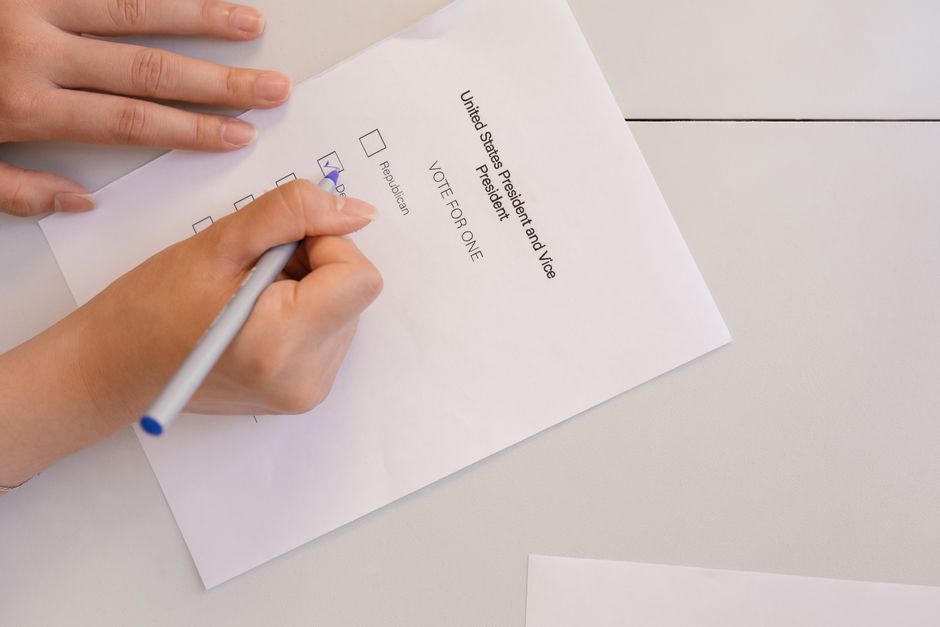
Iowa Caucus: The Unofficial Starting Gun of the Presidential Election Cycle
The Iowa Caucus, a constitutionally mandated yet entirely unofficial tradition, ignites the quadrennial presidential election cycle, offering a starkly different approach to candidate selection than traditional primary elections. Unlike the straightforward casting of ballots, the Iowa Caucus is a complex, grassroots process involving public gatherings where registered party members debate, persuade, and ultimately declare their support for presidential hopefuls. This unique event, held in early February, holds disproportionate sway due to its position as the first competitive contest, often shaping media narratives, donor enthusiasm, and the very viability of candidacies long before voters in larger states have their say. Its antiquated, assembly-like format, while critiqued for its inclusiveness and representativeness, remains a powerful filter, paring down fields of ambitious candidates and setting the stage for the grueling months of campaigning that follow. Understanding the mechanics, historical significance, and evolving impact of the Iowa Caucus is crucial for comprehending the intricate dynamics of American presidential politics.
The mechanics of the Iowa Caucus are a departure from the standard voting booth. On caucus night, registered Democrats and Republicans gather at designated precincts – often schools, community centers, or private homes – to publicly declare their allegiance. For Democrats, the process involves a physical alignment. Supporters of a candidate gather in a designated area of the room. If a candidate fails to meet a viability threshold (typically 15% of the attendees), their supporters are released to realign with another candidate. This "realignment" phase is a critical and often dramatic element, allowing for last-minute persuasion and shifts in support. The vote is then tallied, and the results are reported to county conventions, then to state conventions, and finally to national party committees. Republican caucuses, while also involving public declaration, typically employ a more straightforward ballot-casting system, though the interactive, town-hall-like atmosphere of discussion and persuasion remains central. The precinct captains, elected on caucus night, play a vital role in organizing the process, facilitating discussions, and ensuring the accurate reporting of results. The emphasis on direct citizen engagement and public deliberation, while time-consuming and requiring a higher level of commitment from participants, is what the caucus system proponents champion as its greatest strength – a direct reflection of the will of engaged party members.
Historically, the Iowa Caucus has been a pivotal, often unpredictable, launchpad for presidential campaigns. Its status as the first major contest means that candidates who perform well in Iowa often gain significant momentum, attracting media attention, enthusiastic volunteers, and crucial financial backing. Conversely, a poor showing can swiftly end a campaign, regardless of a candidate’s national appeal or fundraising capabilities. This "retail politics" advantage is a hallmark of the Iowa experience. Candidates spend months, even years, traversing the state, engaging in intimate town hall meetings, shaking hands at county fairs, and building personal relationships with voters. This allows lesser-known candidates, who may lack the name recognition or financial resources to compete in larger, media-driven states, an opportunity to gain traction and build a base. The groundwork laid in Iowa can translate into crucial early victories in subsequent primaries and caucuses, creating a domino effect that can propel a candidate towards the nomination. The iconic images of candidates sipping coffee in diners or debating in crowded school gymnasiums are deeply ingrained in the American political consciousness, symbolizing the unique, ground-level nature of the Iowa Caucus.
The influence of the Iowa Caucus, however, is not without its critics. The state’s relatively small and predominantly white population does not accurately reflect the demographic diversity of the United States, leading to arguments that it gives undue weight to a specific segment of the electorate. This has sparked perennial debates about whether Iowa should continue to hold its privileged position as the first contest. Furthermore, the caucus system’s reliance on active participation can exclude individuals who are unable to attend due to work, family commitments, or disability, raising questions about fairness and accessibility. The intensive organizational efforts required to mobilize supporters for caucus night can also favor candidates with robust ground games and experienced campaign operatives, potentially disadvantaging insurgent or grassroots movements. Despite these criticisms, the Democratic and Republican parties have, for decades, maintained Iowa’s premier position, citing the unparalleled opportunity it provides for candidates to demonstrate their organizational skills, connect with voters on a personal level, and refine their messages through direct feedback.
For Republicans, the Iowa Caucus has historically served as a proving ground for conservative candidates. Victories in Iowa have often propelled candidates with strong evangelical or tea party support to national prominence. Figures like Mike Huckabee in 2008 and Rick Santorum in 2012 are examples of candidates who leveraged strong performances in the Iowa Caucus to gain significant momentum. The Republican process, while increasingly influenced by national party rules and media scrutiny, still emphasizes the importance of grassroots organization and ideological purity amongst a significant portion of the state’s GOP voters. Candidates often engage in extensive outreach to religious communities and conservative organizations, seeking to secure their support on caucus night. The debates and discussions that occur at Republican caucuses can be particularly intense, reflecting the diverse factions within the party.
Democrats, while undergoing their own internal debates about the caucus system’s fairness, have also seen their presidential nominees emerge from strong Iowa showings. Barack Obama’s surprising victory in the 2008 Democratic Caucus was a watershed moment, demonstrating the power of grassroots organizing and a compelling message to overcome established political figures. The Democratic caucus, with its unique realignment process, often highlights the strategic maneuvering and persuasive abilities of candidates and their supporters. The emphasis on delegate allocation and the intricate calculations involved in reaching viability thresholds add a layer of complexity to the Democratic contest that can be both fascinating and frustrating for observers. The discussions at Democratic caucuses can range from policy specifics to broader ideological debates about the direction of the party.
The media’s role in the Iowa Caucus is undeniably significant. The intense media coverage preceding and during caucus night amplifies the impact of the results, turning it into a national spectacle. News organizations dedicate substantial resources to covering the campaigns in Iowa, providing in-depth analysis, conducting polls, and broadcasting live from precincts. This media focus, while beneficial for raising a candidate’s profile, can also create a self-fulfilling prophecy. A candidate deemed a frontrunner by the media often receives more attention, which in turn can boost their poll numbers and attract more resources, further solidifying their perceived strength. The narrative constructed around the Iowa Caucus – who is gaining momentum, who is faltering, who is the "survivor" – often dictates the trajectory of the early primary season.
The digital age has introduced new dimensions to the Iowa Caucus. Social media platforms have become vital tools for candidates to engage with potential caucus-goers, disseminate their messages, and organize volunteers. Online fundraising has also become increasingly important, allowing campaigns to solicit donations from a wider base of supporters. However, the traditional emphasis on face-to-face interaction and “retail politics” remains a crucial element of success in Iowa. The personal connections forged through town hall meetings and local events are difficult to replicate through digital means alone. The challenge for modern campaigns is to effectively integrate digital strategies with the time-honored traditions of Iowa campaigning.
Looking ahead, the future of the Iowa Caucus remains a subject of ongoing debate and potential reform. Discussions about shifting the order of presidential contests, incorporating ranked-choice voting, or even replacing the caucus system entirely with traditional primaries are recurring themes. These debates are driven by concerns about representativeness, fairness, and the evolving nature of political engagement. However, the deeply entrenched tradition and the perceived effectiveness of the Iowa Caucus as a vetting process for presidential candidates ensure its continued relevance, at least for the foreseeable future. The unique blend of grassroots activism, public deliberation, and media scrutiny that defines the Iowa Caucus will undoubtedly continue to shape the early stages of the American presidential election cycle, making it an essential, if controversial, fixture of American democracy. Its ability to launch unlikely candidates, test the mettle of seasoned politicians, and force a deep dive into the issues by those seeking the highest office solidifies its enduring, albeit debated, significance.
