
Harvard Palestinian Discrimination Complaint
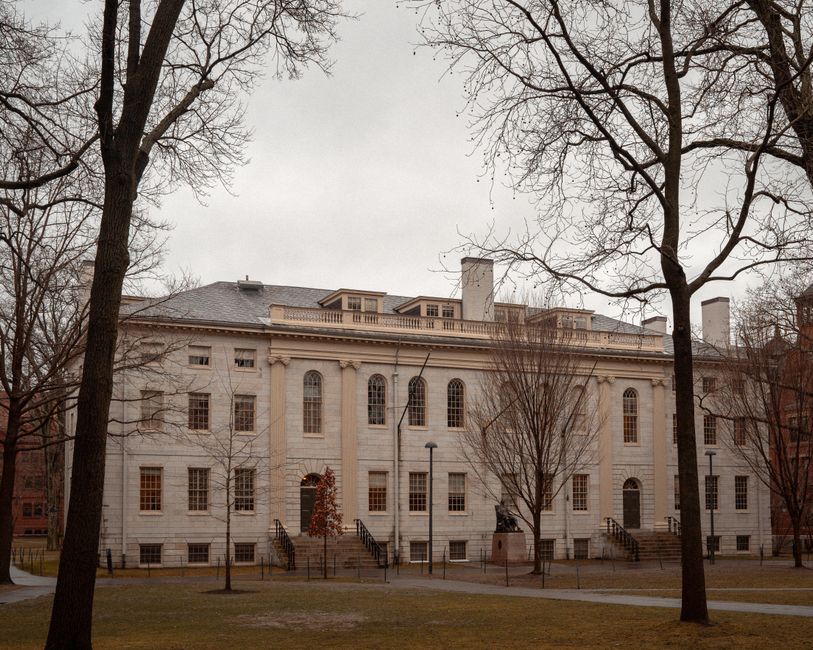
Harvard Palestinian Discrimination Complaint: Unpacking Allegations, Legal Avenues, and Institutional Response
The Harvard Palestinian discrimination complaint represents a significant legal and social flashpoint, alleging systemic bias and discriminatory practices against Palestinian students and faculty within the esteemed institution. This complaint, rooted in a series of incidents and perceived patterns of behavior, centers on claims that individuals of Palestinian heritage have faced undue scrutiny, unfair disciplinary actions, and a climate that stifles their academic and personal expression. The core of the complaint often revolves around accusations that Harvard’s administration has failed to adequately protect its Palestinian community from harassment, has subjected them to differential treatment compared to other student groups, and has, in some instances, actively contributed to an environment of hostility. These allegations are not solely confined to interpersonal interactions but extend to broader institutional policies and their perceived uneven application. The complaint seeks to illuminate how these alleged discriminatory practices impact academic opportunities, professional advancement, and the overall sense of belonging for Palestinian members of the Harvard community. Understanding the nuances of this complaint requires examining the specific incidents cited, the legal frameworks invoked, and the institutional responses that have unfolded.
The genesis of the Harvard Palestinian discrimination complaint often traces back to perceived disparities in how Harvard addresses antisemitism versus Islamophobia and anti-Palestinian sentiment. Critics argue that while the university has robust mechanisms and public pronouncements against antisemitism, often driven by the contentious global political climate surrounding Israel and Palestine, there is a perceived lack of similar vigilance and protection for those facing anti-Palestinian bias. This perceived imbalance fuels the discrimination allegations. Specific incidents cited in such complaints commonly include instances where Palestinian students or faculty advocating for Palestinian rights have been accused of antisemitism, often in ways that critics deem disproportionate or misconstrued. This can manifest in disciplinary proceedings that are initiated more readily against them, or in the swift condemnation of their speech, while similar critiques of Israeli policies from other perspectives might receive less scrutiny. Furthermore, the complaint may detail experiences of microaggressions, verbal harassment, and even physical intimidation directed towards individuals based on their Palestinian identity or perceived political stances. The complaint often highlights the chilling effect these experiences have on academic freedom and the ability of Palestinian scholars and students to engage in open discourse without fear of reprisal or professional marginalization. The broad scope of such a complaint means it can encompass academic departments, student organizations, and even administrative offices, painting a picture of alleged systemic issues rather than isolated events.
Legally, the Harvard Palestinian discrimination complaint likely invokes Title VI of the Civil Rights Act of 1964, which prohibits discrimination on the basis of race, color, or national origin in programs and activities receiving federal financial assistance. While “Palestinian” is not an explicit protected category under Title VI in the same way as race or ethnicity, courts have increasingly recognized that discrimination based on shared ancestry or ethnic characteristics can fall under its purview, particularly when it intersects with national origin. Discrimination claims can also be framed under the Equal Protection Clause of the Fourteenth Amendment, which guarantees that no state shall deny to any person within its jurisdiction the equal protection of the laws. For private institutions like Harvard, federal funding often triggers the application of Title VI. The complaint will typically detail specific instances of alleged discrimination, providing evidence such as emails, witness testimonies, and documented disciplinary actions. The legal strategy often involves demonstrating a pattern of discriminatory conduct, intent, or disparate impact, meaning that even if policies are neutral on their face, they are applied in a manner that disproportionately harms individuals of Palestinian descent. The burden of proof rests on the complainants to establish that discrimination has occurred, which can be a complex and lengthy legal process.
The institutional response from Harvard to such discrimination complaints is multifaceted and often a focal point of public and academic scrutiny. Universities typically have internal review processes for grievances, which may involve ombudspersons, diversity and inclusion offices, and departmental review committees. However, for high-profile or systemic allegations, the university’s public statements and its engagement with external investigative bodies become crucial. Harvard’s administration has often issued statements reaffirming its commitment to diversity, inclusion, and academic freedom, while also acknowledging the complexities of the Israeli-Palestinian conflict and the importance of combating all forms of discrimination, including antisemitism and Islamophobia. The challenge lies in translating these broad commitments into concrete actions that address the specific concerns raised in the complaint. This can involve reviewing and revising policies, enhancing training for faculty and staff on implicit bias and intercultural communication, and fostering dialogue among different student groups. The university’s approach to speech also becomes a critical element, navigating the delicate balance between protecting free expression and preventing harassment or discrimination. The perceived adequacy and effectiveness of Harvard’s response are often judged by the affected community and external observers, shaping the ongoing narrative and potential for further legal or advocacy actions.
The broader context of the Israeli-Palestinian conflict significantly influences the dynamics surrounding any discrimination complaint filed at an American university. Universities are often seen as microcosms of larger societal debates, and the intense polarization surrounding this geopolitical issue means that campus environments can become battlegrounds for competing narratives and political activism. Allegations of discrimination against Palestinian students are frequently viewed through this lens, with critics sometimes attributing them to a natural consequence of broader political tensions, while advocates argue they represent a failure of institutional responsibility to protect a vulnerable minority. The discourse around these complaints is often amplified by national and international media, as well as by advocacy groups on all sides of the issue. The perceived role of external political pressures and funding sources in shaping university policies and responses can also become a contentious aspect of the discussion. Therefore, understanding the Harvard Palestinian discrimination complaint necessitates acknowledging the deep-seated and complex political realities that inform the experiences and perceptions of the individuals involved.
The implications of the Harvard Palestinian discrimination complaint extend beyond the immediate parties involved and the university itself. Such legal challenges and public scrutiny can set precedents for how other institutions of higher education handle similar allegations of bias and discrimination against marginalized groups, particularly in the context of politically charged issues. The complaint can catalyze conversations about the adequacy of existing legal protections, the effectiveness of university grievance procedures, and the ethical responsibilities of academic institutions to foster inclusive environments. It may also prompt a re-evaluation of how universities balance academic freedom with the need to prevent harassment and discrimination, a perennial challenge in higher education. For Palestinian students and faculty, such complaints, regardless of their ultimate legal outcome, serve as a crucial means of asserting their experiences, demanding accountability, and advocating for a more equitable campus climate. The media attention and public discourse generated by the complaint can raise awareness of the challenges faced by this community, potentially leading to broader societal shifts in understanding and addressing anti-Palestinian bias.
The specific allegations within a Harvard Palestinian discrimination complaint can vary but often include claims of:
- Disproportionate Disciplinary Actions: Palestinian students or faculty facing disciplinary measures for speech or conduct that is perceived as less severely addressed when exhibited by other groups. This could include accusations of hate speech or harassment that are deemed to have been applied selectively.
- Chilling Effect on Speech and Advocacy: The perception that expressing support for Palestinian rights or critiquing Israeli policies is met with undue scrutiny, suspicion, or professional retaliation, thereby stifling legitimate academic discourse and activism.
- Failure to Protect from Harassment: Allegations that Harvard has not adequately investigated or addressed incidents of verbal harassment, microaggressions, or even physical intimidation directed at individuals of Palestinian origin or those perceived to be sympathetic to the Palestinian cause.
- Biased Application of Policies: Claims that university policies on diversity, inclusion, and conduct are applied unevenly, with more stringent standards or harsher penalties applied to members of the Palestinian community or their allies.
- Lack of Representation and Support: The feeling of not being adequately represented or supported by university administration and resources, particularly in comparison to other minority groups or in addressing the unique challenges faced by those with ties to the Palestinian community.
- Antisemitism vs. Anti-Palestinian Bias: A central argument often made is that while Harvard is vigilant in addressing antisemitism, it fails to demonstrate a comparable commitment to combating anti-Palestinian bias, creating a climate where the latter is tolerated or dismissed.
The legal pathways for addressing such discrimination often involve filing formal complaints with federal agencies like the Department of Education’s Office for Civil Rights, which enforces Title VI. Complainants may also pursue private litigation in federal court, seeking damages or injunctive relief. The strength of such legal actions depends heavily on the evidence presented and the ability to demonstrate a clear pattern of discriminatory intent or impact. The interpretation of “national origin” in discrimination law has evolved, and legal scholars continue to debate its application to ethnic groups with complex historical and political identities.
The institutional response of Harvard to these allegations is often a complex interplay of public relations, internal investigations, and policy adjustments. Universities are generally obligated to investigate complaints of discrimination and to take appropriate remedial action if discrimination is found. However, the process can be protracted and fraught with challenges. Harvard’s public statements typically emphasize its commitment to a diverse and inclusive community and its opposition to all forms of discrimination. The institution often engages in internal reviews, conducts investigations through its Office of Institutional Equity, and may convene dialogues or workshops aimed at fostering understanding and mitigating conflict. The effectiveness of these responses is frequently debated, with proponents of the complaint arguing for more robust and proactive measures, while the university may emphasize its adherence to established procedures and legal obligations.
The overarching narrative surrounding the Harvard Palestinian discrimination complaint is deeply intertwined with the global discourse on the Israeli-Palestinian conflict, the rise of identity politics on university campuses, and the ongoing efforts to define and enforce anti-discrimination principles in higher education. The complaint serves as a crucial focal point for examining these broader societal and academic trends, highlighting the challenges of ensuring equitable treatment and fostering an inclusive environment for all members of a university community, especially when deeply held political beliefs and identities are at stake. The legal and social ramifications of such complaints can shape institutional policies and practices for years to come, influencing how universities navigate the complex landscape of free speech, academic freedom, and the imperative to protect vulnerable student and faculty populations.
