Recommendations for Healing Korean Dramas Set in Tranquil, Visually Stunning Rural Landscapes Offer Solace to Stressed Viewers Globally

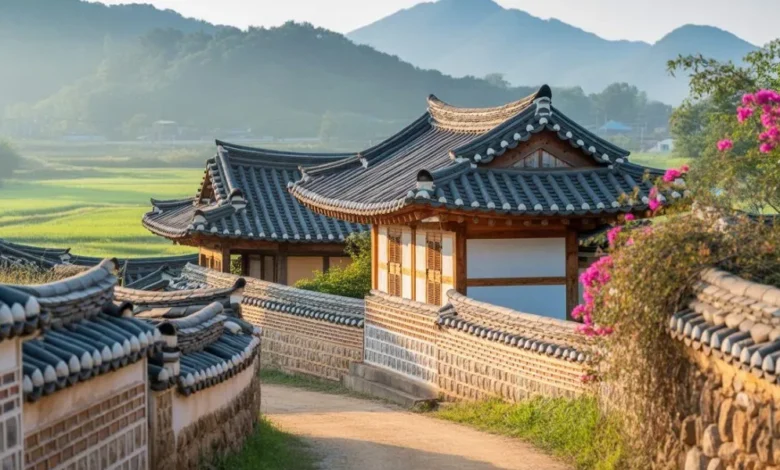
The increasing demand for soothing and restorative entertainment has propelled "healing" Korean dramas set in tranquil rural landscapes into a global phenomenon, providing a much-needed escape from the complexities of modern life. As reported by Kapanlagi.com and insights from mydramalist.com, these productions, characterized by their serene settings and heartwarming narratives, have captured the hearts of audiences seeking comfort and visual delight. This genre, broadly defined as slice-of-life dramas that eschew intricate plots in favor of character-driven stories of growth and recovery, often features protagonists grappling with past traumas who embark on journeys of self-discovery and healing in idyllic countryside locales.
The Ascendance of Rural "Healing" Dramas: A Global Cultural Shift
The growing appeal of Korean dramas (K-dramas) set against bucolic backdrops is not merely a passing trend but a reflection of a deeper societal need for mental and emotional respite. In an era marked by rapid urbanization, digital overload, and persistent stress, the escapist quality of these narratives offers a unique form of therapy. Industry analysts note a significant uptick in viewership for this specific genre, with streaming platforms actively acquiring and promoting such titles. This surge in popularity underscores a collective yearning for simplicity, community, and connection with nature, themes prominently explored in these dramas. The "healing" genre, as defined by sources like mydramalist.com, focuses on narratives where characters, often burdened by urban pressures or personal hardships, find solace and new perspectives by relocating to or interacting with rural communities. These stories are typically devoid of high-stakes drama or intense conflicts, instead emphasizing everyday struggles, small victories, and the beauty of human connection.
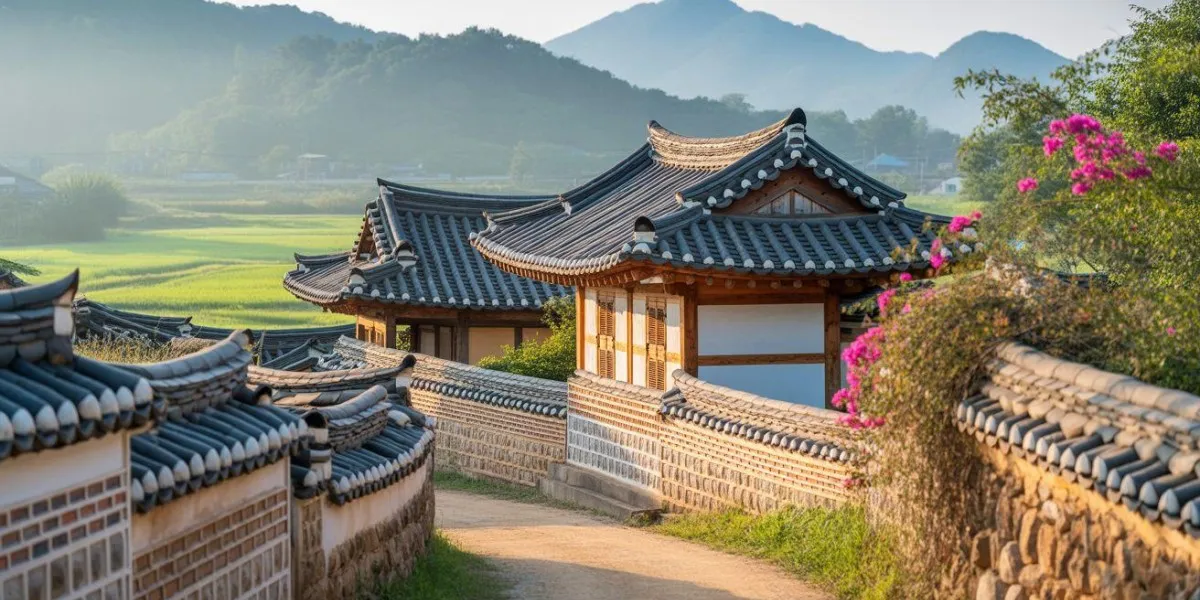
Historically, Korean media has often depicted rural life, but the current wave distinguishes itself by consciously positioning these settings as integral to the characters’ emotional journeys rather than just a backdrop. This shift reflects an evolution in K-drama storytelling, moving beyond conventional romance or action to embrace more introspective and emotionally resonant themes.
Visual Escapism: The Cinematic Allure of Idyllic Settings
A cornerstone of the "healing" K-drama experience is its unparalleled visual aesthetic. Cinematography plays a pivotal role, transforming verdant rice paddies, sun-drenched coastal villages, and misty mountainscapes into characters themselves. These dramas meticulously capture the slow rhythm of rural life, from the gentle sway of fields to the ebb and flow of ocean tides, offering viewers a profound sense of peace. This visual splendor is more than just eye candy; it is an immersive element that transports the audience, making them feel as though they are experiencing the tranquility alongside the characters.
Coastal villages, with their salty air and panoramic sea views, possess an inherent charm that these dramas skillfully leverage. The imagery of quaint fishing boats, bustling local markets, and sunsets over the horizon provides a refreshing contrast to the concrete jungles of city life. Similarly, the unique volcanic landscapes and vibrant culture of Jeju Island have become a beloved setting, consistently drawing global viewers seeking its distinctive beauty. The island’s picturesque beaches, lush green tea fields, and charming stone houses provide a perfect canvas for stories of introspection and community.
This visual emphasis has tangible implications beyond entertainment. It has spurred a noticeable increase in tourism to the depicted regions within South Korea. Local tourism boards often report a significant boost in visitors, eager to experience the serene beauty they witnessed on screen. This phenomenon, known as "set-jetting," highlights the powerful cultural and economic impact of K-dramas, transforming fictional locales into desirable travel destinations and contributing to regional economic development.
Diverse Narratives: A Deep Dive into Sub-genres and Key Themes
The "healing" genre encompasses a rich tapestry of sub-genres, each offering a unique flavor of rural tranquility:
-
Coastal Romances: Finding Love and Self in Seaside Towns
These dramas blend heartwarming romance with the calming backdrop of coastal life. A prime example, and often recommended for beginners, is Hometown Cha-Cha-Cha (2021). Starring Shin Min-a as a big-city dentist who moves to the fictional seaside village of Gongjin and Kim Seon-ho as the charming jack-of-all-trades, this series masterfully balances romantic comedy with poignant slice-of-life elements. Its depiction of close-knit community bonds, individual healing, and the picturesque setting of Pohang (which stood in for Gongjin) made it a global sensation. The drama’s gentle pace, endearing characters, and stunning visuals of the East Sea perfectly encapsulate the "healing" ethos, offering both comfort and joy. Its universal themes of finding belonging and overcoming past hurts resonate deeply with audiences worldwide.
-
Jeju Island Chronicles: Interconnected Lives Amidst Natural Beauty
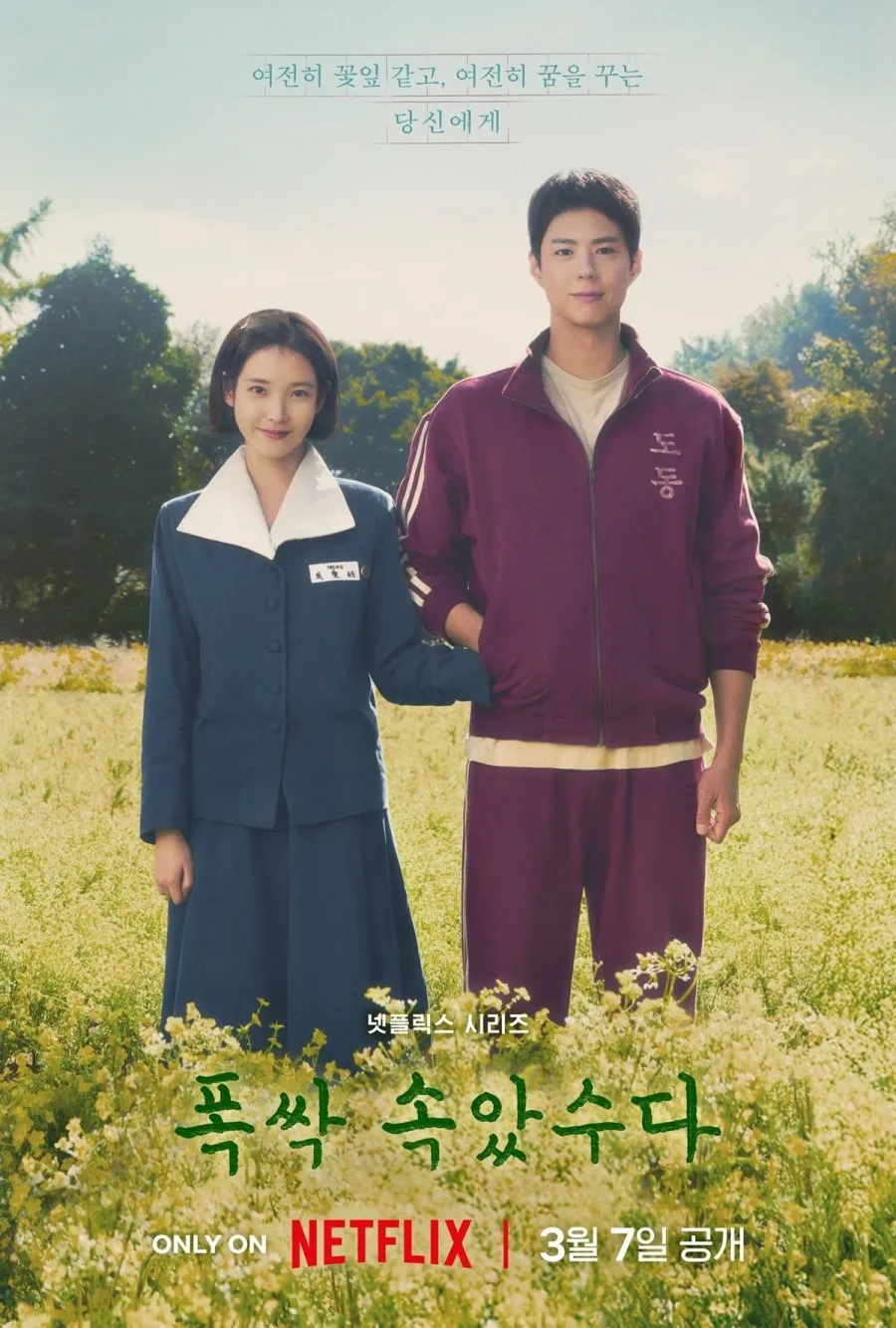
Jeju Island’s unique allure makes it a recurring and beloved setting for dramas focused on interconnected lives and personal growth. Our Blues (2022) is a standout, an ensemble drama featuring a stellar cast including Lee Byung-hun, Shin Min-a, Cha Seung-won, Lee Jung-eun, Kim Woo-bin, and Han Ji-min. The series delves into the lives of various residents of a bustling Jeju village, each facing their own struggles and dreams, all intertwined by fate and their shared home. It explores themes of family, friendship, love, and loss with profound sensitivity, against the breathtaking backdrop of Jeju’s iconic landscapes. The drama’s episodic structure, focusing on different characters’ stories, allows for a rich exploration of human experiences, solidifying its place as a deeply moving healing drama. Another highly anticipated title set on the island is When Life Gives You Tangerines (release date expected 2024/2025, starring IU and Park Bo-gum), which promises to continue Jeju’s legacy as a setting for compelling, emotional narratives. -
Heartwarming Slice-of-Life and Family Narratives: The Essence of Community
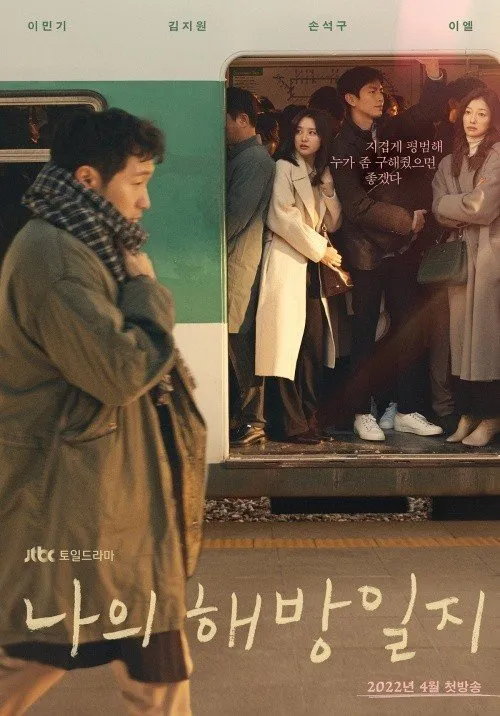
Beyond romance, the genre thrives on stories that explore family dynamics, friendships, and the everyday realities of rural existence. These dramas often reflect universal human experiences, making them highly relatable. The Good Bad Mother (2023), starring Ra Mi-ran and Lee Do-hyun, is a powerful example that explores the complex relationship between a demanding single mother and her prosecutor son who suffers an accident, reverting to a childlike state. Set in a charming rural town, the drama beautifully portrays the resilience of family, the warmth of community support, and the journey of mending broken bonds. Its blend of humor and heartfelt emotion, coupled with strong performances, makes it a profoundly moving and family-friendly healing drama. Similarly, My Liberation Notes (2022) offers a more introspective and melancholic take on rural life, following three siblings from a small village who commute to Seoul and yearn for freedom from their mundane lives. While less overtly "healing" in a cheerful sense, its honest portrayal of internal struggles and quiet search for meaning resonates deeply with viewers facing their own existential questions. Racket Boys (2021) provides a lighter, more uplifting family-friendly option, focusing on a middle school badminton team in a rural village. It champions themes of teamwork, perseverance, and the innocence of youth, interwoven with stories of community spirit and support. -
Gentle Romance and Personal Growth in Secluded Settings:
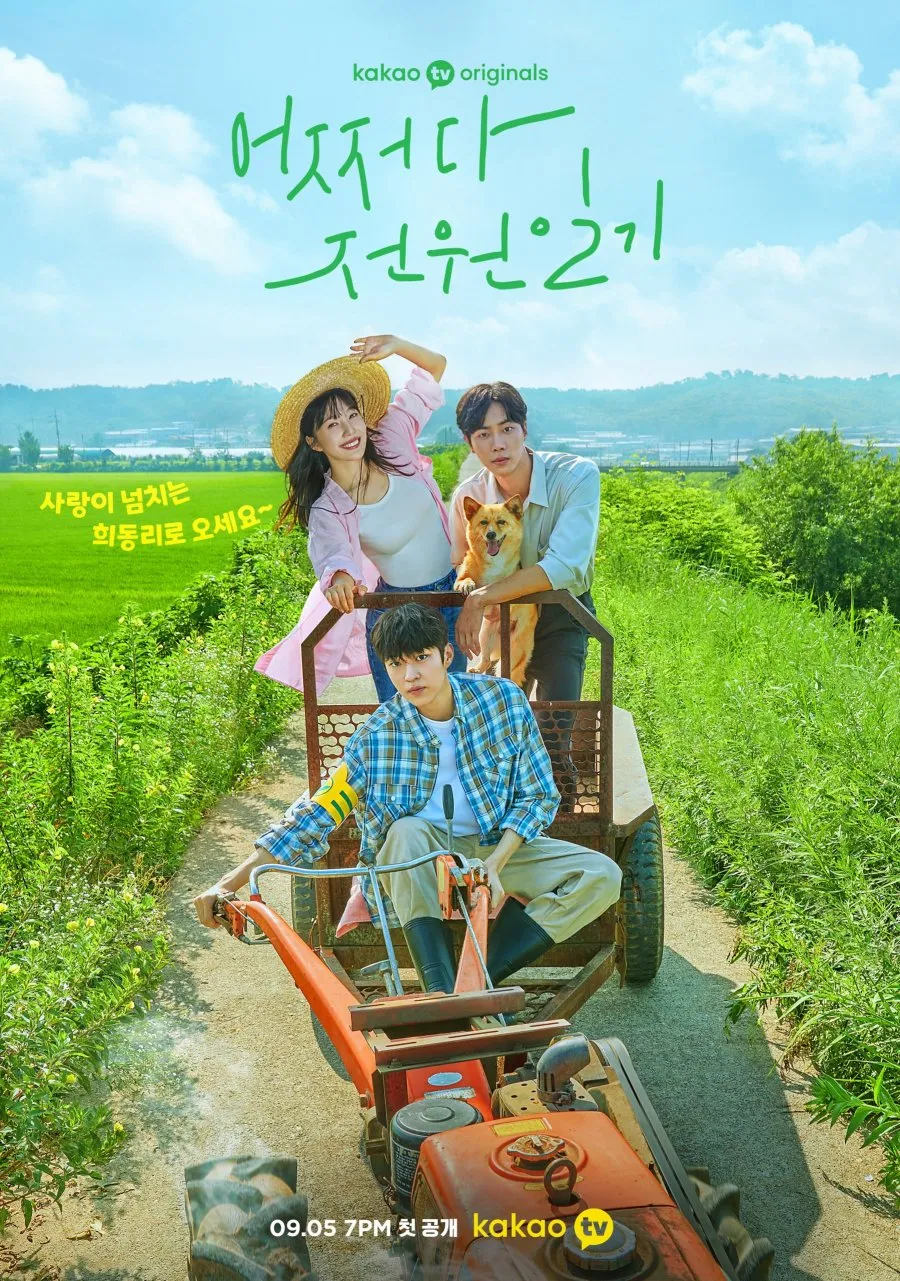
These dramas offer quieter, more introspective forms of healing, often centered around protagonists finding themselves or love in unexpected places. When the Weather is Fine (2020), starring Park Min-young and Seo Kang-joon, tells the story of a cellist who returns to her quiet hometown after growing tired of city life, finding solace and a gentle romance with a local bookstore owner. The drama’s serene winter landscapes and focus on quiet introspection provide a deeply calming experience. Once Upon a Small Town (2022) offers a charming, lighthearted take, with a city veterinarian reluctantly moving to a rural village and encountering a lively local policewoman. Its shorter episode count (12 episodes, 34 minutes each) makes it an ideal choice for a quick, refreshing watch. Summer Strike (2022) follows a young woman who, after a series of misfortunes, decides to quit her job and move to a small coastal village to "do nothing," exploring themes of burnout and finding purpose in simplicity.
Industry Trends, Viewer Engagement, and Future Outlook
The sustained and growing interest in rural "healing" K-dramas is a testament to their profound impact. Kapanlagi.com‘s observation of increasing viewer interest year after year highlights a consistent demand that the industry is keen to meet. This trend is not confined to Asia; the global reach of platforms like Netflix, Viki, Prime Video, and iQIYI has introduced these dramas to a diverse international audience, breaking down cultural barriers through universal themes of human connection, nature’s restorative power, and personal resilience. The relatability of characters, who often mirror viewers’ own struggles with stress, loneliness, or the search for meaning, creates a strong emotional bond. Furthermore, the meticulously crafted soundtracks of these dramas often become popular in their own right, enhancing the viewing experience and contributing to the overall sense of calm and introspection.
Looking ahead to 2026, the genre shows no signs of slowing down. New titles like Spring Fever, starring Ahn Bo-hyun and Lee Joo-bin, and Cabbage Your Life, featuring Park Sung-woong, are poised to further enrich this popular category. These upcoming releases, promising fresh concepts and heartwarming narratives, demonstrate the industry’s continued commitment to exploring the therapeutic potential of rural settings. Industry experts infer that this diversification into "comfort content" not only broadens the appeal of K-dramas but also solidifies their reputation as a versatile and globally influential entertainment powerhouse. The success of these dramas also encourages local governments and regional tourism boards to actively promote their picturesque locales as potential filming sites, creating a symbiotic relationship between entertainment and regional development.
The Therapeutic Power: Why Rural K-Dramas Resonate as Emotional Therapy
The profound impact of "healing" K-dramas goes beyond mere entertainment; they function as a form of emotional therapy for many. As noted by Kapanlagi.com‘s editorial observations, watching K-dramas can effectively alleviate stress and serve as a vital form of healing from life’s pressures. This is particularly true for the healing and slice-of-life genres, which offer lighthearted narratives deeply connected to everyday experiences, enveloped in visually calming aesthetics and positive, heartening messages.
The combination of serene visuals—lush green fields, pristine blue coasts, and majestic mountains—with warm community interactions creates an undeniably soothing atmosphere. Complementary soundtracks, often featuring gentle melodies and acoustic arrangements, further enhance the tranquil viewing experience. This synergistic blend of compelling narratives, beautiful scenery, and evocative music crafts a perfect escape, allowing viewers to unwind and decompress.
These dramas subtly encourage an appreciation for life’s simpler joys—sharing meals with loved ones, laughter among friends, or simply savoring a quiet moment in nature. They remind audiences to slow down, reflect, and find beauty in the ordinary. Each recommendation, from the romantic allure of coastal towns to the poignant family sagas, offers a unique path to this introspective journey.
Typically, K-dramas range from 12 to 20 episodes, with each episode lasting between 60 to 90 minutes. This pacing is crucial for the "healing" effect; it encourages viewers to take their time, savoring each episode over one to two weeks, rather than rushing through a binge-watch. This deliberate consumption allows for deeper immersion and greater emotional resonance, maximizing the therapeutic benefits. The deliberate pace and focus on character development over dramatic plot twists align with the therapeutic goal of providing gentle, sustained comfort rather than fleeting excitement.
Practical Viewing Guide for Enthusiasts
For those eager to embark on their own healing journey through these dramas, selecting the right one can enhance the experience. Consider your mood:
- For light romance and community warmth: Opt for coastal romances like Hometown Cha-Cha-Cha or Welcome to Samdalri.
- For deep emotional introspection and family dynamics: Explore titles like Our Blues or The Good Bad Mother.
- For quiet reflection and personal growth: When the Weather is Fine or My Liberation Notes might be ideal.
- For a quick, refreshing escape: The shorter format of Once Upon a Small Town is perfect.
These enriching dramas are widely accessible on popular streaming platforms, including Netflix, Viki, Prime Video, and iQIYI. Crucially, these services provide comprehensive Indonesian (and other language) subtitles, ensuring that language barriers do not hinder the immersive viewing experience. It is always recommended to utilize legal streaming services to support the creators and the vibrant Korean entertainment industry. The ease of access and diverse selection ensure that a perfect "healing" drama is always just a click away, ready to transport viewers to a world of tranquility and warmth.