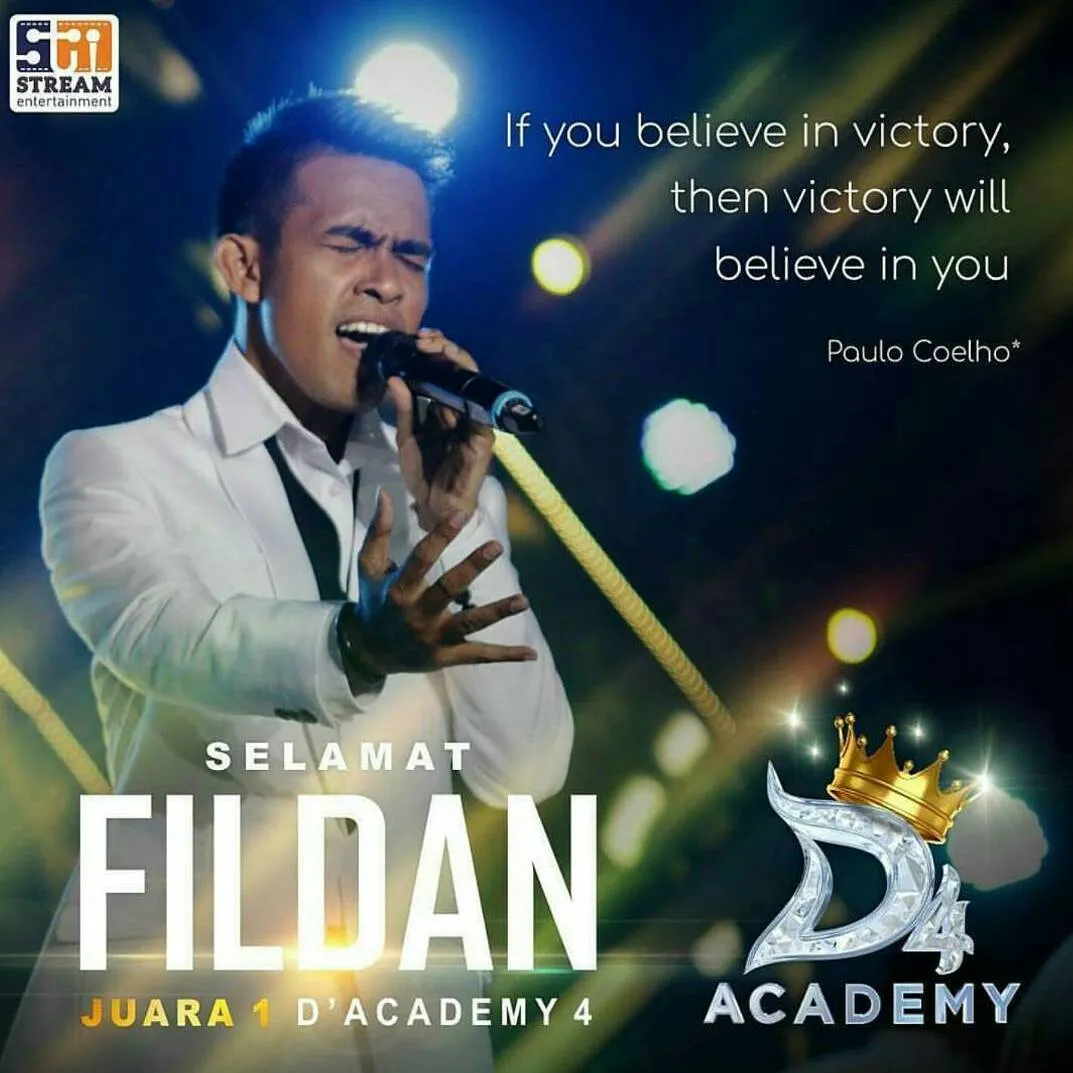
As the anticipation builds for D’Academy 8, with official contestant announcements yet to be made, the spotlight falls on the critical element of mental preparedness. In the high-stakes environment of a national singing competition, talent alone often proves insufficient without an equally robust psychological foundation. Fildan Rahayu, the celebrated champion of D’Academy 4 and a prominent figure in Indonesia’s dangdut music industry, recently offered invaluable insights into cultivating the "champion’s mindset" during an exclusive session. His advice, rooted in personal experience, serves as a vital blueprint for the next generation of aspiring dangdut stars.
The Enduring Legacy of D’Academy: A Crucible for Dangdut Talent
D’Academy, broadcast on Indosiar, stands as one of Indonesia’s most influential and long-running reality singing competitions, specifically dedicated to the dangdut genre. Since its inception, it has served as a powerful platform for discovering and nurturing new talent, significantly shaping the landscape of contemporary Indonesian music. The show’s format, combining rigorous vocal training, intricate stage performances, and public voting with critical feedback from a panel of expert judges, creates an intensely competitive environment. Millions of viewers tune in nightly, making the contestants’ journey a national spectacle. The pressure to perform flawlessly, innovate musically, and connect with a massive audience can be overwhelming, making mental resilience as crucial as vocal prowess.
Fildan Rahayu, hailing from Baubau, Southeast Sulawesi, emerged as the victor of D’Academy 4 in 2017. His victory was not merely a testament to his exceptional vocal range and unique ability to blend traditional dangdut with rock and keroncong elements, but also to his unwavering mental strength throughout the demanding competition. His career trajectory post-D’Academy 4 has been remarkable, marked by consistent musical output, numerous awards, and a sustained presence in the Indonesian entertainment industry. This enduring success underscores the validity of his strategies for navigating the pressures of competition and maintaining a long-term career.
Fildan’s Core Philosophy: Perseverance, Creativity, and Authenticity

During a live discussion, Fildan articulated the foundational principles that guided him to victory and continue to sustain his career. He emphasized that the path to becoming a champion is rarely "as smooth as it looks" from the outside. Instead, it is paved with consistent effort, strategic thinking, and emotional discipline.
"The things I instilled in myself were: never get tired of practicing, be creative, be patient, be sincere, and most importantly, never stop praying," Fildan stated during a joint Kapanlagi.com and Indosiar live session on Friday, February 18, 2022. This comprehensive approach highlights a holistic understanding of success, encompassing technical skill, artistic innovation, emotional intelligence, and spiritual grounding.
The Power of Deliberate Practice and Continuous Improvement
The admonition to "never get tired of practicing" goes beyond mere repetition. In a competitive environment like D’Academy, deliberate practice is essential. This involves not just singing songs repeatedly, but actively identifying weaknesses, seeking feedback, and dedicating focused effort to improvement. Fildan’s method involved a constant self-assessment cycle: "For example, if something is lacking, it means I have to practice again so that tomorrow I can be better." This iterative process of identifying shortcomings, practicing to overcome them, and then re-evaluating, is a hallmark of high-achieving individuals in any field. For D’Academy contestants, this translates to endless hours in vocal training, choreography rehearsals, and stage blocking, all aimed at perfecting every aspect of their performance.
Cultivating Creativity and Artistic Identity
Beyond technical proficiency, Fildan stressed the importance of "creativity." In a competition designed to find unique stars, simply replicating existing performances is insufficient. Contestants are expected to bring their own interpretations, arrangements, and stage presence to familiar dangdut hits or new compositions. This requires not only musical knowledge but also a willingness to experiment and take artistic risks. Fildan himself was renowned for his distinctive vocal stylings and innovative arrangements, which often surprised and delighted both judges and audiences.

Crucially, Fildan advised: "Find a song that suits your own character and then be ready. Because arranging a song must be in accordance with your soul." This speaks to the concept of artistic authenticity. In a competition where contestants are often encouraged to try various styles, finding and staying true to one’s core artistic identity is paramount. It allows for more genuine and impactful performances, creating a deeper connection with the audience and showcasing a unique selling proposition to the judges. For aspiring D’Academy 8 participants, this means understanding their vocal strengths, emotional range, and what makes them distinct from hundreds of other talented singers.
The Indispensable Virtues of Patience and Sincerity
"Be patient, be sincere" might seem like abstract advice, but in the crucible of reality television, these qualities are concrete survival tools. Patience is vital for enduring the long hours of rehearsal, the waiting periods between rounds, and the slow grind of public opinion. The D’Academy journey is often protracted, stretching over several months, demanding sustained mental fortitude. Sincerity, or "tulus," refers to performing with genuine emotion and without pretension. Audiences and judges alike can discern authenticity, and a sincere performance, even if technically imperfect, often resonates more deeply than a flawless but sterile one. This sincerity also extends to how contestants interact with their peers, mentors, and the production team, contributing to a positive environment crucial for managing stress.
The Power of Prayer and Spiritual Resilience
"And most importantly, never stop praying," Fildan added, underscoring the spiritual dimension of his preparation. For many in Indonesia, faith plays a significant role in navigating life’s challenges, and competitive endeavors are no exception. Prayer can provide a sense of peace, purpose, and strength, helping individuals cope with immense pressure, uncertainty, and the emotional roller coaster of a high-stakes competition. It serves as a personal anchor, reinforcing mental well-being and providing a source of hope during moments of doubt.
Transforming Criticism into Motivation: The "Salah Lirik" Incident

Fildan vividly recalled a pivotal moment during D’Academy 4 when he faced scathing criticism from the judges for forgetting lyrics. This experience, common among contestants in live performance settings, often shatters confidence and can lead to early elimination.
"I remember when I made a lyrical mistake, I was scolded fiercely by the judges, but thankfully I was strong, otherwise I would have cried," he recounted. This moment highlights the intense scrutiny and high expectations inherent in D’Academy. Judges are not only looking for vocal talent but also for stage presence, professionalism, and the ability to handle pressure. A lyrical error, while seemingly minor, can disrupt a performance and indicate a lack of preparation or focus under duress.
Despite the harshness of the critique, Fildan managed to internalize it constructively. "Singers are like that, especially in competitions, there’s always something. That stage is truly magical," he reflected. This perspective—viewing challenges as inherent to the competitive process rather than personal failings—is crucial for maintaining a healthy mindset. He understood that the "magic" of the stage encompassed both triumphs and tribulations, and that resilience was key to navigating both.
For Fildan, these pointed remarks from the judging panel were not roadblocks but rather catalysts for improvement. He emphasized that criticism and feedback, no matter how sharp, should be embraced as opportunities for growth. "Critiques and input from the judges should actually be used as motivation to perform even better," he asserted. This positive reframing of negative feedback is a psychological strategy employed by many successful individuals. Instead of succumbing to self-doubt or anger, a champion’s mindset converts criticism into actionable steps for improvement.
The Importance of Positive Thinking and Mental Fortitude
Therefore, Fildan concluded that "instilling positive thoughts is important to train mental strength." This encapsulates the overarching theme of his advice. The D’Academy stage is not just a test of vocal cords but a profound test of character and mental resilience. The ability to remain positive amidst setbacks, to learn from mistakes, and to continuously strive for improvement under intense public scrutiny is what separates finalists from champions.
The mental landscape of a D’Academy contestant is fraught with challenges: isolation from family, grueling schedules, constant performance anxiety, the pressure of public expectations, and the emotional toll of eliminations. Without a strong mental framework, even the most talented individuals can falter. Fildan’s advice provides a practical guide for navigating these complexities, emphasizing self-belief, disciplined effort, and a positive outlook.
Broader Implications for Aspiring Artists and Reality TV
Fildan Rahayu’s journey and advice extend beyond the specific context of D’Academy. His insights resonate with anyone pursuing a career in the performing arts or facing high-pressure competitive environments. The lessons learned in a reality singing competition—discipline, resilience, adaptability, and the ability to accept and grow from criticism—are universally applicable.
D’Academy, as a phenomenon, has democratized access to the music industry for countless individuals from diverse backgrounds across Indonesia. However, it also exposes them to the harsh realities of show business early on. The intense competition, public scrutiny, and demanding schedule are a microcosm of the wider industry. Fildan’s guidance thus serves as an unofficial mentorship for future contestants, preparing them not just for the immediate challenge of D’Academy 8, but for the long and often arduous journey of a professional musician.
The "coach" role that Fildan implicitly adopts through his advice is crucial. Former champions often become aspirational figures, and their lived experiences offer tangible, relatable strategies that academic theories cannot fully provide. His emphasis on authenticity and finding one’s "soul" in music is particularly relevant in an industry that can sometimes prioritize commercial viability over artistic integrity.
As D’Academy 8 approaches, the words of Fildan Rahayu offer a timely reminder that while talent opens doors, mental fortitude builds empires. For the hopefuls preparing to step onto the Indosiar stage, his counsel on persistent practice, creative innovation, unwavering patience, genuine sincerity, and resolute faith, coupled with the ability to transform criticism into fuel for success, will be indispensable. The path to becoming the next D’Academy champion demands not just a powerful voice, but an even more powerful mind.