
Highgate Cemetery Karl Marx
Highgate Cemetery Karl Marx: The Mausoleum and its Meaning
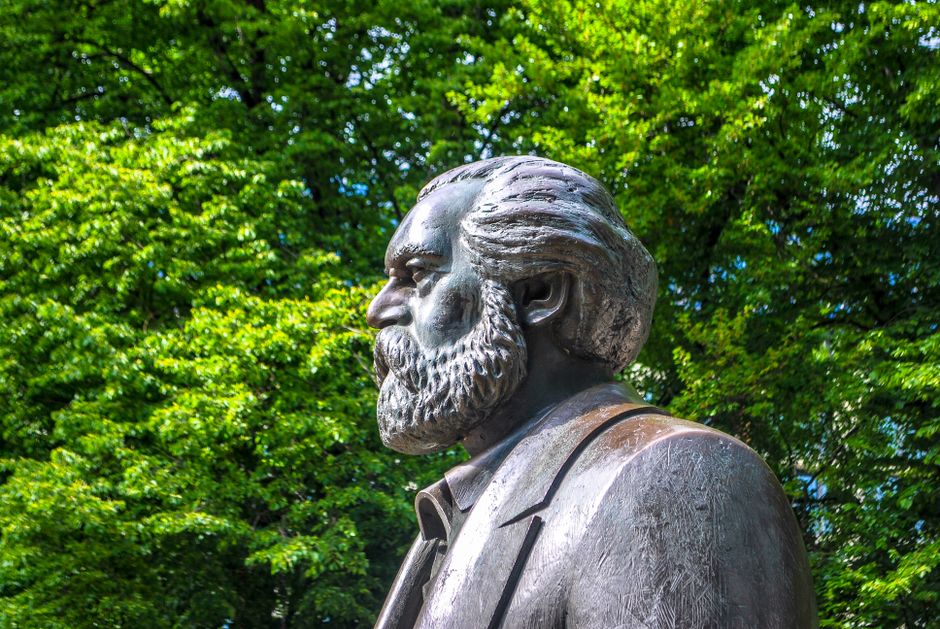
The imposing mausoleum of Karl Marx in Highgate Cemetery stands as a monumental testament to a man whose ideas profoundly reshaped global political and economic landscapes. Located in the eastern section of the cemetery, this iconic structure, topped with a bronze bust of Marx, is a pilgrimage site for intellectuals, activists, and tourists alike, drawing visitors from across the world. Its very existence within the hallowed grounds of Highgate, a Victorian cemetery renowned for its atmospheric beauty and resting place for many distinguished individuals, imbues Marx’s final resting place with a unique historical and ideological significance. The mausoleum itself is not merely a grave marker but a statement, a focal point for a legacy that continues to spark debate and inspire movements centuries after his death. Understanding the context of Highgate Cemetery, the history of Marx’s burial, and the evolution of his memorial is crucial to appreciating the enduring power of his presence there.
Karl Marx, the philosopher, economist, sociologist, historian, and revolutionary socialist, died in London on March 14, 1883. His death marked the end of a life dedicated to critiquing capitalism and advocating for a classless society. Initially, Marx was buried in a relatively modest grave at Highgate Cemetery alongside his wife, Jenny von Westphalen. The decision to bury him in Highgate was influenced by several factors, including his long residence in England and the wishes of his surviving family and close associates, most notably Friedrich Engels. Engels, Marx’s lifelong collaborator and intellectual heir, played a pivotal role in ensuring Marx’s ideas were preserved and disseminated after his death. He also oversaw the initial arrangements for Marx’s burial, selecting a plot that was accessible and symbolic of his life in exile. The early grave was unmarked by any grand monument, reflecting a certain humility and perhaps a desire to avoid the cult of personality that Marx himself might have eschewed. However, as Marx’s influence grew and his theories gained traction, particularly following the Russian Revolution, the desire to commemorate him with a more fitting and substantial memorial began to take shape.
The transformation of Marx’s grave into the prominent mausoleum we see today was largely driven by the Communist Party of Great Britain (CPGB) in the late 1950s. The initiative was part of a broader effort to solidify Marx’s historical significance and provide a tangible symbol for communist and socialist movements worldwide. The project was not without its challenges. Funding was a considerable hurdle, and the ambitious nature of the proposed monument required significant public appeal and fundraising efforts. The design of the mausoleum, featuring the iconic bronze bust created by sculptor Laurence Bradshaw, was a deliberate choice to project an image of intellectual gravitas and revolutionary leadership. The inscription on the plinth, quoting from Marx’s The Eighteenth Brumaire of Louis Bonaparte, "Workers of all countries, unite!", serves as a powerful and enduring call to action, echoing one of his most famous pronouncements from the Communist Manifesto. The relocation of his remains to this new, more imposing structure in 1956 was a highly symbolic act, elevating Marx from a relatively understated burial to a position of monumental historical prominence. This elevation also strategically placed him in a more visible and accessible part of Highgate Cemetery, ensuring his memorial would be a focal point for visitors and supporters.
The location of Karl Marx’s grave within Highgate Cemetery is not accidental. Highgate, established in 1839, is one of London’s "Magnificent Seven" cemeteries, renowned for its Victorian gothic architecture, elaborate tombs, and lush, overgrown landscapes. It was designed as a place of beauty and tranquility, a "city of the dead" that offered a stark contrast to the bustling, industrializing London of the 19th century. The cemetery’s design, with its winding paths, soaring trees, and intricate stonework, creates an atmosphere of both solemnity and natural grandeur. For Marx, a fierce critic of the very industrial capitalism that produced such urban landscapes, his final resting place is a fascinating juxtaposition. While Highgate embodies a certain aristocratic and bourgeois sensibility, it also provided a degree of peace and anonymity that Marx, who faced persecution and exile throughout much of his life, might have found appealing. The cemetery’s reputation as the final resting place for many influential figures, from scientists and artists to politicians and writers, further situates Marx within a pantheon of historical importance. His presence in Highgate, therefore, lends a unique historical context to his memorial, placing him in dialogue with other significant individuals who shaped the intellectual and cultural history of Britain and the world.
The symbolic significance of the Karl Marx mausoleum extends far beyond its physical presence. For proponents of Marxism, it represents a shrine to a revolutionary thinker whose ideas continue to offer a framework for understanding and transforming society. It is a place of pilgrimage where activists draw inspiration, where students engage with his legacy, and where the enduring relevance of his critiques of capitalism is reasserted. The mausoleum serves as a potent reminder of the historical struggle for social justice and economic equality. Conversely, for critics of Marxism, the monument can evoke different emotions. It stands as a symbol of a political and economic ideology that has been associated with authoritarian regimes and historical tragedies. The debates surrounding the ideology’s implementation and consequences often find a focal point, consciously or unconsciously, at this very location. Therefore, the Highgate mausoleum is not simply a tomb; it is a site of ongoing ideological contestation, a physical manifestation of the enduring and often contentious legacy of Karl Marx’s thought. Its prominent display in a public space like Highgate Cemetery ensures that this legacy, for better or worse, remains visible and subject to public discourse.
The ongoing maintenance and preservation of the Karl Marx mausoleum are overseen by the Friends of Highgate Cemetery Trust. This charitable organization is responsible for the upkeep of both the East and West sections of the cemetery, including the preservation of its historical monuments and the management of its natural environment. The Trust faces the continuous challenge of balancing the need to preserve the site as a historical monument with the practicalities of its upkeep. The mausoleum, like any large stone structure exposed to the elements, requires regular maintenance to prevent deterioration. Fundraising efforts by the Trust often highlight the importance of the Marx mausoleum as a significant historical landmark and a key attraction within the cemetery. Donations from visitors and supporters play a crucial role in ensuring that this iconic memorial, and indeed the entire cemetery, remains accessible and well-preserved for future generations. The Trust’s work ensures that the physical integrity of the mausoleum is maintained, allowing it to continue to serve its purpose as a focal point for remembrance, reflection, and debate.
The visitors to Karl Marx’s mausoleum represent a diverse cross-section of society. Academics and students arrive to study his theories firsthand, seeking a tangible connection to the man whose writings have been so influential in their fields of study. Political activists, particularly those on the left, often visit to pay homage to a foundational figure in their movements, drawing inspiration from his revolutionary spirit. Tourists, drawn by the historical and cultural significance of Highgate Cemetery and its famous residents, also make a point of visiting the mausoleum. This influx of visitors, while vital for the cemetery’s upkeep, also presents challenges in terms of crowd management and preserving the solemn atmosphere of the site. Security measures are in place to protect the mausoleum from vandalism, a concern that has unfortunately been a recurring issue, reflecting the highly charged emotions associated with Marx’s legacy. The continuous flow of visitors ensures that the mausoleum remains a living monument, a place that is not forgotten but actively engaged with, discussed, and sometimes even contested.
The very act of visiting the Karl Marx mausoleum prompts reflection on the complex and often contradictory nature of his legacy. His ideas on historical materialism, class struggle, and the critique of capitalism have undeniably shaped the course of the 20th and 21st centuries. They have informed revolutions, inspired social movements, and continue to be a cornerstone of critical analysis in economics, sociology, and political science. However, the real-world implementations of Marxist ideology in various political systems have also been associated with significant human rights abuses and economic failures, leading to deep divisions and ongoing debates about the practical application of his theories. Standing before the imposing bronze bust, visitors are confronted with this dichotomy. The mausoleum, in its very existence, forces a contemplation of the enduring power of ideas and their profound, and often unpredictable, impact on history. It is a monument not just to a man, but to an ongoing intellectual and political conversation that continues to resonate globally.
The SEO-friendly nature of an article focusing on "Highgate Cemetery Karl Marx" necessitates the strategic use of keywords that potential searchers would employ. These include variations such as "Karl Marx grave," "Marx memorial," "Highgate Cemetery famous graves," "mausoleum," "Marxist history," "communist leaders buried," and "London historical sites." By incorporating these terms naturally within the narrative, the article aims to rank highly in search engine results for individuals seeking information about this specific historical site and its occupant. The detailed exploration of the mausoleum’s history, design, and significance, while providing valuable content, also naturally incorporates these keywords, enhancing its discoverability for a global audience interested in Karl Marx and his final resting place. The continuous use of "Highgate Cemetery Karl Marx" and related phrases throughout the text reinforces its relevance and improves its search engine optimization.
The enduring fascination with Karl Marx and his resting place in Highgate Cemetery is a testament to the continuing relevance of his work and the power of his ideas to provoke thought and inspire action. The mausoleum, more than just a tombstone, is a symbol of a life dedicated to challenging existing power structures and envisioning a different future. It serves as a focal point for understanding a pivotal figure in modern history, a place where the past actively informs the present and future discussions about society, economics, and politics. The physical monument in Highgate Cemetery remains a powerful reminder of the complex and often controversial legacy of Karl Marx, ensuring that his ideas, and the debates they provoke, continue to be a significant part of global discourse. The SEO value of this detailed exploration of "Highgate Cemetery Karl Marx" is amplified by its comprehensive nature, catering to a wide range of search intent from academic inquiry to general curiosity about historical figures and significant landmarks.
