
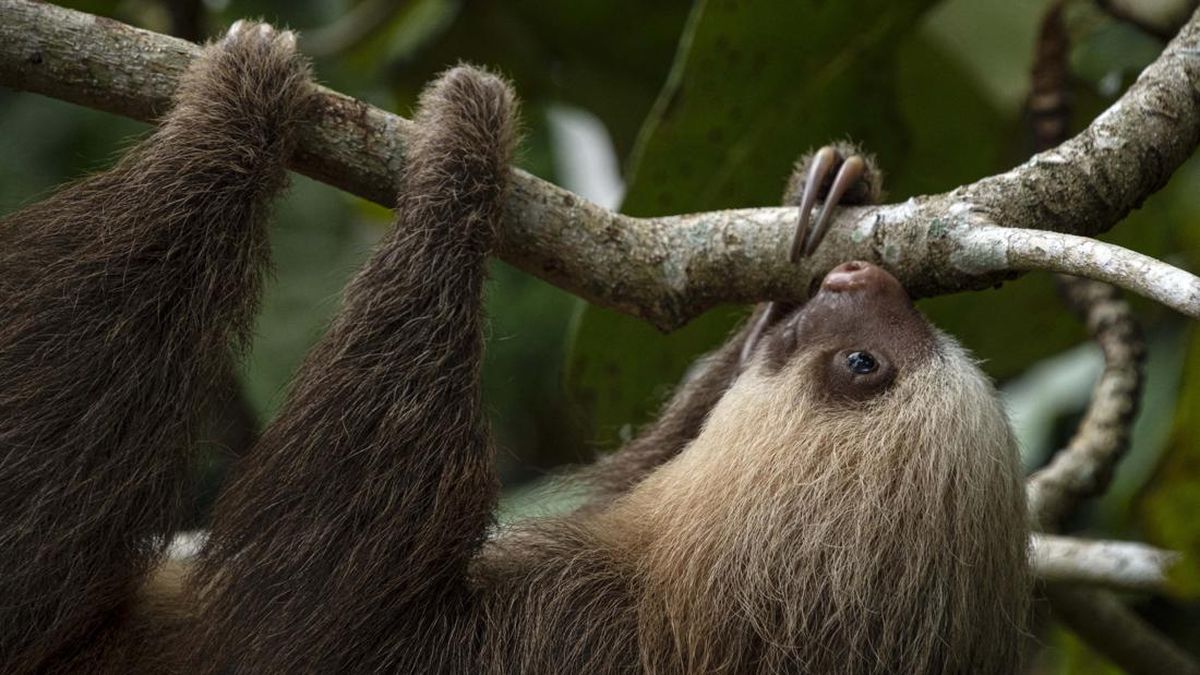
A groundbreaking new study has illuminated the intricate genetic mechanisms that allowed sloths to evolve their remarkably energy-efficient lifestyle, cementing their status as the planet’s slowest-moving and slowest-metabolizing mammals. The research, published in the esteemed journal BMC Biology, delves into the genome of the two-toed sloth (Choloepus didactylus), comparing its genetic makeup with that of dozens of other mammals, including its taxonomic relatives, armadillos and pangolins. The findings not only provide unprecedented insights into sloth evolution but also open promising avenues for understanding and potentially treating a range of human health conditions linked to energy production and mitochondrial function.
Delving into the Sloth’s Unique Physiology: A Masterclass in Energy Conservation
Sloths are renowned for their sluggish pace, a characteristic that defines their existence in the arboreal canopies of Central and South American rainforests. This deliberate slowness is not merely a behavioral quirk but a fundamental physiological adaptation. They boast the lowest basal metabolic rate (BMR) of any non-hibernating mammal, often as low as 40-45% of what would be expected for an animal of their size. This extreme energy conservation is crucial for their survival, primarily dictated by their diet of low-nutrient leaves. Unlike many herbivores that have evolved complex digestive systems or high metabolic rates to process vast quantities of plant matter, sloths adopt a strategy of minimal energy expenditure. Their diet, consisting mainly of leaves, provides limited caloric value and takes an exceptionally long time to digest—sometimes weeks. This slow digestion, coupled with their low metabolic rate, means they generate very little body heat, making them partially reliant on behavioral thermoregulation, such as sunbathing, to maintain their core temperature. The new study now adds a crucial genetic layer to this long-observed physiological puzzle, suggesting that their unique metabolism is not just a result of environmental pressures but is deeply embedded in their very DNA.
The Genetic Revelation: Jumping Genes and Mitochondrial Adaptation
At the heart of the researchers’ discovery lies a specific type of DNA sequence known as a transposon, or "jumping gene." These mobile genetic elements possess the remarkable ability to cut or copy themselves and insert into new positions within the genome. Far from being mere genetic junk, transposons are now understood to be significant drivers of evolutionary change, capable of altering gene expression and even creating new genes. In the evolutionary lineage of sloths, evidence of transposon activity stretches back over 30 million years, a timeline that roughly coincides with their divergence from other xenarthrans (the superorder that includes armadillos and anteaters) and the gradual development of their distinctive slow-paced lifestyle.
What particularly captivated the researchers was the discovery that several of these jumping genes are intricately linked to mitochondria and other genes involved in metabolic processes. Mitochondria, often dubbed the "powerhouses of the cell," are organelles responsible for generating most of the chemical energy needed to power cellular biochemical reactions. Their efficient functioning is paramount for all life. However, in sloths, the study suggests that their mitochondria may be "relaxed" or less efficient than those of other mammals. Dr. Camila Mazzoni, a biodiversity genomics expert from the Leibniz Institute for Zoo and Wildlife Research in Germany and a lead author of the study, explained, "Our findings suggest that sloths may have evolved a genetic ‘backup system’ that helps compensate for their ‘relaxed’ mitochondria and supports their unique lifestyle."
This fascinating hypothesis posits that the sloth’s inherently low cellular energy demands might have allowed mutations to accumulate within their mitochondrial genome, making these energy-producing organelles less robust. To counteract this potential deficiency and ensure the animal’s continued functionality, the jumping genes likely stepped in, creating alternative genetic pathways. These compensatory mechanisms, honed over millions of years, would have enabled sloths to thrive despite a mitochondrial system that might be considered suboptimal in a faster-paced organism. This intricate genetic dance between mitochondrial efficiency and compensatory transposons offers a novel explanation for how sloths manage to maintain their health and vitality despite a metabolic rate that would be debilitating for most other mammals.
Methodology and Comparative Genomics: Unlocking Evolutionary Histories
The research employed a comprehensive genomic analysis, focusing on the two-toed sloth (Choloepus didactylus). This involved sequencing and meticulously scrutinizing its entire genetic blueprint. The power of the study lay in its comparative approach. By juxtaposing the sloth’s genome with those of dozens of other mammalian species, particularly closely related xenarthrans like armadillos and pangolins, the researchers could identify unique genetic signatures and evolutionary trajectories. Armadillos, for instance, share a common ancestor with sloths but exhibit vastly different physiological adaptations, often being burrowing, insectivorous, and much more active. This comparative lens allowed the team to pinpoint specific DNA sequences—the transposons—that showed heightened activity and particular associations with metabolic genes within the sloth lineage, distinguishing them from their evolutionary cousins. The advanced genomic techniques utilized, including sophisticated bioinformatic analysis, enabled the scientists to trace the activity of these jumping genes back through millions of years of evolutionary history, providing a chronological map of their impact on sloth development.
Expert Perspectives: A Glimpse into the Future of Biological Understanding
The researchers involved in this seminal work expressed both excitement and cautious optimism regarding their findings. Dr. Mazzoni further elaborated on the paradox of sloth health, stating, "Sloths have the slowest metabolism of all mammals, yet they remain healthy. Understanding how they achieve this could reveal new insights into how cells efficiently manage energy." This statement underscores the core scientific value of the discovery: sloths represent a natural experiment in extreme energy conservation, offering lessons that might be universally applicable.
Dr. Pedro Galante, a molecular biologist from Hospital Sírio-Libanês in Brazil, highlighted the potential translational impact of the research for human medicine. "While further research is still needed, sloth cell lines could become a natural model for understanding how organisms survive under low-energy conditions, and what goes wrong when disease occurs," he remarked. This vision suggests a future where sloth cells might be studied in laboratories to simulate and understand conditions of energy deprivation or mitochondrial dysfunction in humans. Dr. Galante further emphasized the long-term implications, stating, "In the long term, this could inform research on tissue preservation, critical care treatment, aging, metabolic diseases, and even long-distance space travel." The ability of sloth cells to tolerate low energy states could provide blueprints for preserving human organs for transplantation, enhancing recovery in critically ill patients, or extending the viability of cells and tissues in challenging environments like space.
Dr. Marcela Uliano-Silva, a bioinformatician from the Wellcome Sanger Institute in the UK, eloquently summarized the broader philosophical implication of studying such unique creatures: "Evolution has run billions of experiments. By studying unusual animals like sloths, we sometimes find biological solutions that have never evolved in humans." This perspective reminds the scientific community of the vast, untapped knowledge residing within Earth’s biodiversity, urging a continued exploration of life’s diverse strategies.
Broader Implications for Human Health and Medicine: A New Frontier
The implications of this sloth study extend far beyond the realm of evolutionary biology, offering a beacon of hope for human health research. Mitochondrial dysfunction is a common thread in a wide array of human medical conditions. For instance, chronic diseases like Type 2 diabetes often involve impaired mitochondrial function, leading to inefficient glucose metabolism. Similarly, many age-related disorders, including neurodegenerative diseases such as Parkinson’s and Alzheimer’s, are characterized by declining mitochondrial health and energy production in brain cells. Muscle atrophy, whether due to aging, disuse, or disease, also frequently involves mitochondrial impairment, reducing the muscle’s capacity for energy generation. Even obesity can negatively impact mitochondrial function, creating a vicious cycle of metabolic dysregulation.
The sloth’s unique ability to thrive with "relaxed" mitochondria, thanks to its genetic backup system, presents an unprecedented opportunity to study cellular energy management. Researchers could investigate whether specific pathways or genetic elements identified in sloths could be mimicked or manipulated in human cells to improve mitochondrial resilience or create compensatory mechanisms. This could potentially lead to novel therapeutic strategies for diseases where energy production is compromised. For example, understanding how sloth cells tolerate mutations in their mitochondria might inspire new approaches to protect human cells from similar damage or enhance their recovery after injury or disease.
Furthermore, the study highlights a fascinating paradox: while changes in DNA caused by jumping genes (transposons) are known to trigger cancer in humans, sloths exhibit a remarkable tolerance for these genetic shifts. This resilience makes sloths an even more compelling subject for investigation. By understanding how sloths mitigate the potentially harmful effects of transposons, scientists might uncover mechanisms that could be harnessed to prevent or treat cancer in humans, particularly those cancers driven by uncontrolled genomic instability. The sloth’s genome could hold the key to understanding the fine balance between genetic flexibility and genomic stability, a balance that is often disrupted in human malignancies.
Evolutionary Context: Sloths Among Xenarthrans
Sloths belong to the superorder Xenarthra, an ancient lineage of placental mammals primarily found in the Americas, which also includes anteaters and armadillos. This group is characterized by unique vertebral joints (the "xenarthrous" articulations, meaning "strange joints") and other distinctive anatomical features. The evolutionary path of sloths diverged from that of their xenarthran cousins approximately 60 to 65 million years ago, with the modern sloth lineages emerging much later. Fossil records indicate that early sloths were much larger, with some extinct ground sloths reaching the size of elephants. Over millions of years, the ancestors of modern arboreal sloths adapted to life in the trees, developing specialized claws for hanging, a unique fur pattern that encourages symbiotic algae growth (providing camouflage), and, critically, their unparalleled energy-saving physiology. The genetic findings of this study provide a molecular timeline, placing the significant transposon activity that shaped their metabolism over 30 million years ago, after their evolutionary split from the more active armadillos and pangolins, solidifying the idea that these genetic adaptations were pivotal to their successful transition to an arboreal, low-energy niche.
Future Research Directions and Conservation
While the current study provides compelling evidence, the researchers emphasize that further investigation is crucial to definitively confirm the precise mechanisms by which these jumping genes compensate for "relaxed" mitochondria. Future research will likely focus on detailed functional studies using sloth cell lines to observe these genetic pathways in action. This could involve manipulating specific transposons or metabolic genes to understand their exact roles and interactions. Translating these findings into human applications will require extensive research, from basic molecular studies to preclinical trials, but the foundation has been laid for an exciting new area of inquiry.
Beyond the scientific breakthroughs, it is important to remember that sloths, like many unique species, face conservation challenges due to habitat loss and deforestation in their native rainforests. Understanding their unique biology, including their extraordinary energy efficiency, not only benefits human health research but also underscores the intrinsic value of biodiversity and the importance of protecting these remarkable creatures. As Dr. Uliano-Silva noted, the "experiments" of evolution offer invaluable lessons, and the sloth stands as a prime example of nature’s ingenuity.