Trans TV Gears Up for Blockbuster Broadcast of "Monster Hunter" on July 5, 2026, Offering Viewers a Dive into a World of Colossal Beasts.


Jakarta, CNN Indonesia – Indonesian audiences are poised for an exhilarating cinematic experience this Sunday, July 5, 2026, as Trans TV’s popular "Bioskop Trans TV" segment proudly presents the action-packed fantasy film "Monster Hunter" (2020). Scheduled for a prime-time broadcast at 20:00 WIB, the movie promises an evening of adrenaline-fueled adventure, starring Hollywood veteran Milla Jovovich, martial arts icon Tony Jaa, and the distinctive presence of Ron Perlman. The screening highlights Trans TV’s ongoing commitment to delivering high-quality entertainment to its vast viewership, cementing its reputation as a leading free-to-air channel in Indonesia.
The film, an ambitious adaptation of Capcom’s globally acclaimed video game series, plunges viewers into a perilous "New World" where humanity grapples with the existential threat posed by colossal, fearsome monsters. Directed and written by Paul W.S. Anderson, known for his extensive work on video game adaptations, "Monster Hunter" attempts to translate the immersive, action-oriented gameplay of its source material into a compelling cinematic narrative. The plot centers on two distinct worlds colliding, forcing unlikely allies to unite against overwhelming odds.
Synopsis: A Clash of Worlds and Survival Against the Monstrous
The narrative unfolds across two parallel realities. In one, the "New World," an ancient and untamed realm, is inhabited by a diverse ecosystem of gargantuan creatures. Here, specialized warriors known as Hunters dedicate their lives to tracking, battling, and slaying these formidable beasts, ensuring a precarious balance for human settlements. One such Hunter, a skilled and resourceful warrior, finds himself tragically separated from his team after their vessel is violently attacked by a Diablo, a massive, horned subterranean monster capable of burrowing through the earth with terrifying speed and force. This incident sets the stage for a desperate struggle for survival in a land where every shadow might conceal a predator.
Meanwhile, in a familiar yet increasingly strained Earth, U.S. Army Ranger Captain Natalie Artemis, portrayed by the formidable Milla Jovovich, leads an elite United Nations security team on a mission. Their objective is to locate a missing contingent of soldiers who vanished without a trace in a desolate desert region. As they conduct their search, an anomalous, cataclysmic sandstorm suddenly materializes, engulfing Artemis and her squad. This inexplicable meteorological phenomenon acts as a portal, violently transporting them from their known reality into the perilous "New World."
Upon their disorienting arrival, the team discovers the grim remnants of the missing soldiers and their destroyed vehicles, evidence of a brutal encounter with the indigenous fauna. It is then that the monstrous Diablo re-emerges, its colossal form and aggressive demeanor striking fear into the hearts of the Earth-born soldiers, whose conventional weaponry proves utterly ineffective against its thick hide and overwhelming power. The lone Hunter, who has been discreetly observing the newcomers, fires a warning signal, recognizing the imminent danger. Despite his efforts, the Diablo’s onslaught claims the lives of two squad members, demonstrating the sheer brutality of this new environment.
The remaining survivors, led by Artemis, manage to seek temporary refuge within a cavern system. However, their respite is short-lived as they are ambushed by a swarm of Nerscyllas, monstrous, spider-like creatures of immense size. These predatory arachnids overwhelm the team, and Artemis herself is injected with a potent venom that rapidly paralyzes her. As her comrades desperately attempt to defend her and find a cure, more Nerscyllas descend, signaling a deepening struggle for survival in this hostile, alien landscape. The film intricately weaves these parallel narratives, culminating in Artemis and the Hunter forming an uneasy alliance, combining their unique skills and knowledge to navigate the treacherous New World and find a way back home.
The Genesis of an Adaptation: From Pixels to the Big Screen
The journey of "Monster Hunter" from a beloved video game franchise to a major motion picture is a testament to the enduring appeal of its fantastical world and challenging gameplay. The decision to adapt the series for the big screen was met with both excitement and apprehension from its dedicated fanbase, a common sentiment for any highly anticipated video game movie.
-
A Global Gaming Phenomenon: The Monster Hunter Legacy
The "Monster Hunter" video game series, first launched by Capcom in 2004, rapidly evolved into one of the publisher’s most successful and critically acclaimed intellectual properties. Known for its intricate ecosystems, challenging boss battles against gargantuan creatures, and deep crafting mechanics, the series has captivated millions worldwide. Titles like "Monster Hunter World" (2018) and "Monster Hunter Rise" (2021) achieved unprecedented commercial success, with "Monster Hunter World" alone selling over 20 million units globally, making it Capcom’s best-selling game of all time. The games foster a strong sense of community, encouraging cooperative play and strategic planning to overcome formidable foes. This rich lore and established universe provided a fertile ground for cinematic exploration, albeit with the inherent challenges of translating interactive gameplay into a linear narrative. -
Paul W.S. Anderson’s Vision and Adaptation Challenges
Paul W.S. Anderson, the film’s director and screenwriter, has a well-established history with video game adaptations, most notably with the "Resident Evil" film series, also starring Milla Jovovich. His approach to adapting source material often involves significant creative liberties, a strategy that has garnered both commercial success and critical debate. For "Monster Hunter," Anderson expressed a desire to bring the awe-inspiring scale of the monsters and the unique mechanics of the hunt to life on screen. He aimed to create a world that felt both familiar to fans of the games and accessible to newcomers, focusing on the primal thrill of survival against overwhelming odds. The production faced the immense task of designing and rendering the diverse bestiary, ensuring they felt organic and terrifying, while also crafting a human story that could anchor the fantastical elements. Filming primarily took place in the visually striking landscapes of South Africa, utilizing its arid plains and rugged mountains to represent the alien terrain of the New World. The production budget was estimated to be around $60 million, reflecting the significant investment in visual effects and action sequences.
Star Power and Production Insights
The ensemble cast of "Monster Hunter" brings a blend of established action credentials and diverse talents, crucial for embodying the film’s physically demanding roles.
-
Milla Jovovich: A Familiar Face in Action-Packed Worlds
Milla Jovovich, in her role as Captain Natalie Artemis, once again anchors an action-heavy franchise. Her long-standing collaboration with Paul W.S. Anderson across the "Resident Evil" series has solidified her status as a formidable female action lead. Her portrayal of Artemis brings a blend of military discipline, resourcefulness, and a fierce will to survive, qualities essential for navigating the brutal environment of the New World. Jovovich’s experience with stunt work and demanding physical sequences made her a natural fit for the role, allowing her to convey both the vulnerability and the indomitable spirit of her character.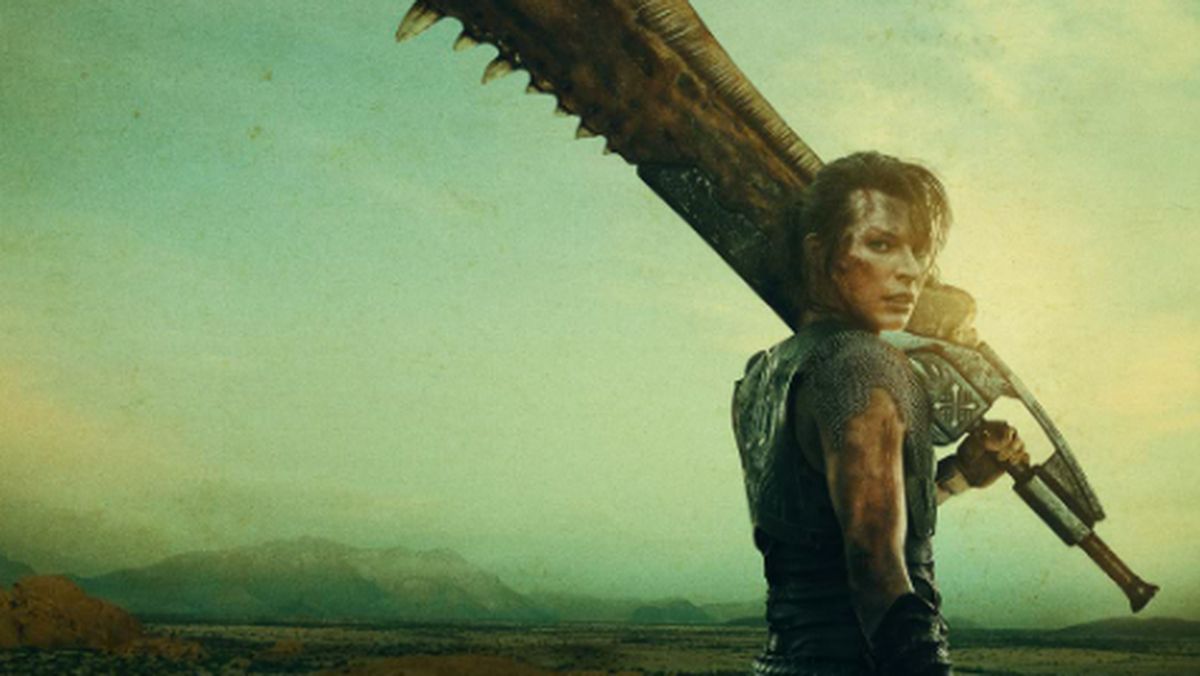
-
Tony Jaa’s Martial Arts Prowess and the Ensemble Cast
Thai martial arts superstar Tony Jaa, known for his breathtaking stunt work and authentic fighting style in films like "Ong-Bak" and "Tom-Yum-Goong," plays the pivotal role of the Hunter. Jaa’s character serves as a crucial bridge between Artemis’s Earth-bound military tactics and the indigenous knowledge required to combat the New World’s creatures. His inclusion brought an authentic, visceral combat element to the film, complementing the visual effects-driven monster battles. The supporting cast further enriches the narrative, with Ron Perlman portraying the Admiral, a seasoned leader of the local hunters, T.I. as Link, Meagan Good as Dash, Josh Helman as Steeler, and Hirona Yamazaki as Handler. Each actor contributes to the dynamic of the survival group, facing their fears and challenging their preconceived notions about courage and cooperation.
Box Office Performance and Critical Reception
"Monster Hunter" faced a challenging release environment, primarily due to the global pandemic affecting theatrical distribution in late 2020 and early 2021. Its performance at the box office and its reception among critics and fans offer a nuanced picture of its impact.
-
Navigating the Global Box Office Landscape
Released initially in Japan in December 2020 and subsequently in other markets, "Monster Hunter" garnered a worldwide box office total of approximately $47.9 million against its estimated $60 million production budget. The film’s theatrical run was significantly hampered by cinema closures and audience reluctance to attend movie theaters during the pandemic. Despite these hurdles, it found a notable audience in some Asian markets, particularly in China and Japan, where the "Monster Hunter" game franchise enjoys immense popularity. Its performance, while not a runaway success, demonstrated the resilience of franchise films even under adverse conditions. -
Critical Acclaim vs. Fan Expectations
Critically, "Monster Hunter" received mixed reviews. On review aggregation websites like Rotten Tomatoes, the film holds an approval rating of around 45% based on numerous reviews, with an average rating of 4.9/10. The consensus often praised the film’s visual effects, the scale of the monster designs, and the action sequences, particularly those featuring Tony Jaa. However, common criticisms revolved around a perceived thinness in its plot, underdeveloped characters, and a lack of faithfulness to the more intricate lore and collaborative hunting mechanics of the video game source material. Many long-time fans of the game series expressed disappointment with certain narrative choices, while general audiences found it to be a competent, if not groundbreaking, action spectacle. Despite the mixed critical reception, the film has found its niche among fans of creature features and those who appreciate its straightforward approach to monster-hunting action.
"Bioskop Trans TV": A Cultural Staple in Indonesian Television
The broadcast of "Monster Hunter" on Trans TV is not merely a single event but a continuation of a long-standing programming strategy that has cemented "Bioskop Trans TV" as a beloved and highly anticipated segment in Indonesian television.
-
Trans TV’s Enduring Appeal and Programming Strategy
Trans TV, a prominent free-to-air television station in Indonesia, has consistently focused on delivering diverse and engaging content, ranging from news and current affairs to popular entertainment. The "Bioskop Trans TV" block, which typically airs international blockbusters and popular films during prime time, has been a cornerstone of its programming for years. This strategy caters to a broad audience segment that seeks accessible, high-quality cinematic entertainment without the need for subscription services. By offering a consistent schedule of well-known films, Trans TV ensures high viewership numbers during these slots, attracting both loyal viewers and casual channel surfers. The channel strategically acquires broadcasting rights for films that resonate with the Indonesian market, often focusing on action, adventure, comedy, and family genres. -
The Role of Premium Film Broadcasts in Prime Time
Broadcasting premium films like "Monster Hunter" during prime time, particularly on a Sunday evening, serves multiple purposes for Trans TV. Firstly, it leverages the appeal of a globally recognized franchise and its star power to draw in a large audience, boosting overall ratings. Secondly, it provides a cost-effective alternative to streaming services, making cinematic experiences accessible to a wider demographic across Indonesia. Thirdly, these broadcasts often become cultural talking points, driving social media engagement and fostering a sense of shared viewing experience among families and friends. The inclusion of a subsequent film, "Black Water: Abyss," at 22:00 WIB further reinforces Trans TV’s commitment to delivering a comprehensive evening of film entertainment, catering to different tastes and extending the viewership window.
Implications and Future Outlook
The broadcast of "Monster Hunter" on Trans TV carries broader implications for both the television industry and the evolving landscape of video game adaptations.
-
The Broader Impact of Video Game Movie Adaptations
"Monster Hunter" joins a growing list of video game properties that have made the leap to the big screen. The mixed reception of such adaptations highlights the persistent challenge of translating interactive narratives into passive viewing experiences. However, the consistent effort to adapt these games underscores the immense cultural and commercial power of the video game industry. Successful adaptations can introduce gaming franchises to new audiences, while even critically panned ones contribute to the ongoing dialogue about how best to bridge these two powerful entertainment mediums. For Indonesia, the broadcast allows a wider audience, who may not be familiar with the games or have access to premium streaming, to engage with a global pop culture phenomenon. -
Looking Ahead: The Future of the Monster Hunter Franchise and Broadcast Television
While a direct sequel to the 2020 "Monster Hunter" film has not been officially announced, the enduring popularity of the game series suggests that further cinematic or television adaptations remain a strong possibility in the long term. The continuous evolution of the "Monster Hunter" game universe, with new titles and expansions, ensures a rich wellspring of material for future storytellers. For broadcast television in Indonesia, the continued success of segments like "Bioskop Trans TV" demonstrates the enduring relevance of traditional media, especially when it adapts to consumer demands for high-quality, accessible entertainment. As streaming services proliferate, free-to-air channels must strategically curate their content to retain viewership, and premium film broadcasts remain a potent tool in this competitive landscape. The strategic scheduling of "Monster Hunter" and "Black Water: Abyss" on a Sunday evening positions Trans TV to capture a significant share of the national audience, reinforcing its status as a key player in the Indonesian media ecosystem.
The upcoming broadcast of "Monster Hunter" on Trans TV is more than just a movie screening; it’s a reaffirmation of the channel’s commitment to delivering engaging entertainment, a reflection of the global reach of the "Monster Hunter" phenomenon, and a testament to the enduring appeal of cinematic spectacle on the small screen. As viewers tune in on July 5, 2026, they will not only witness an epic battle against mythical beasts but also participate in a continuing tradition of shared media consumption that remains central to Indonesian culture.