The Menu of Manchester City Star Erling Haaland Sparks Social Media Frenzy and Expert Caution Regarding Infant Nutrition


The dietary habits of Manchester City’s prolific striker, Erling Haaland, have recently ignited a considerable buzz across social media platforms. While his prodigious appetite and the sheer volume of his meals have been a recurring topic of discussion, a novel trend has emerged: netizens are humorously suggesting his eating regimen as a source of inspiration for complementary feeding for infants, commonly known as Baby-Led Weaning (BLW) or simply MPASI in Indonesian. This surge of online commentary, however, has prompted pediatric and nutritional experts to issue a stern reminder about the distinct nutritional requirements of professional athletes compared to those of developing infants.
The conversation gained significant traction following anecdotal observations and humorous posts shared on platforms like Threads. One user quipped, "Does Haaland’s mom not want to share her MPASI tips and his meal plans? What did this kid eat when he was little?" This sentiment was echoed by another comment, portraying a hypothetical scenario where parents might motivate their children by saying, "Eat properly to be like Haaland," "Drink milk to be like Haaland," and "Exercise diligently, don’t be lazy, to be like Haaland." Such lighthearted exchanges, while entertaining, highlight a burgeoning, albeit misguided, interest in the dietary principles of a high-performance athlete as a potential blueprint for infant nutrition.
The Nutritional Divide: Athlete vs. Infant
Dr. Johanes Chandrawinata, a specialist in nutritional science, has cautioned against drawing direct parallels between Erling Haaland’s diet and the nutritional needs of infants. He emphasized that the dietary intake of a professional athlete is meticulously calibrated to support extreme physical exertion, recovery, and muscle development, a stark contrast to the nascent digestive systems and specific growth requirements of babies.
"The composition of Haaland’s diet, which typically includes high levels of protein, carbohydrates, and healthy fats, is engineered to meet the physiological demands of an elite athlete. It is not designed for a baby who is just beginning to explore solid foods," Dr. Chandrawinata explained to CNN Indonesia on Monday, July 20, 2026. He further elaborated that MPASI serves as a crucial supplement to breast milk or formula for infants aged six months and above, bridging the nutritional gap that breastfeeding alone can no longer fulfill.
The introduction of solid foods to infants is a gradual process, meticulously timed to coincide with the developmental stage of their digestive systems and their ability to process different food textures and complexities. This phased approach is critical for ensuring optimal nutrient absorption and preventing digestive distress.
Understanding the Stages of MPASI
According to established pediatric guidelines, the introduction of complementary foods to infants typically follows a progression based on age and developmental readiness:
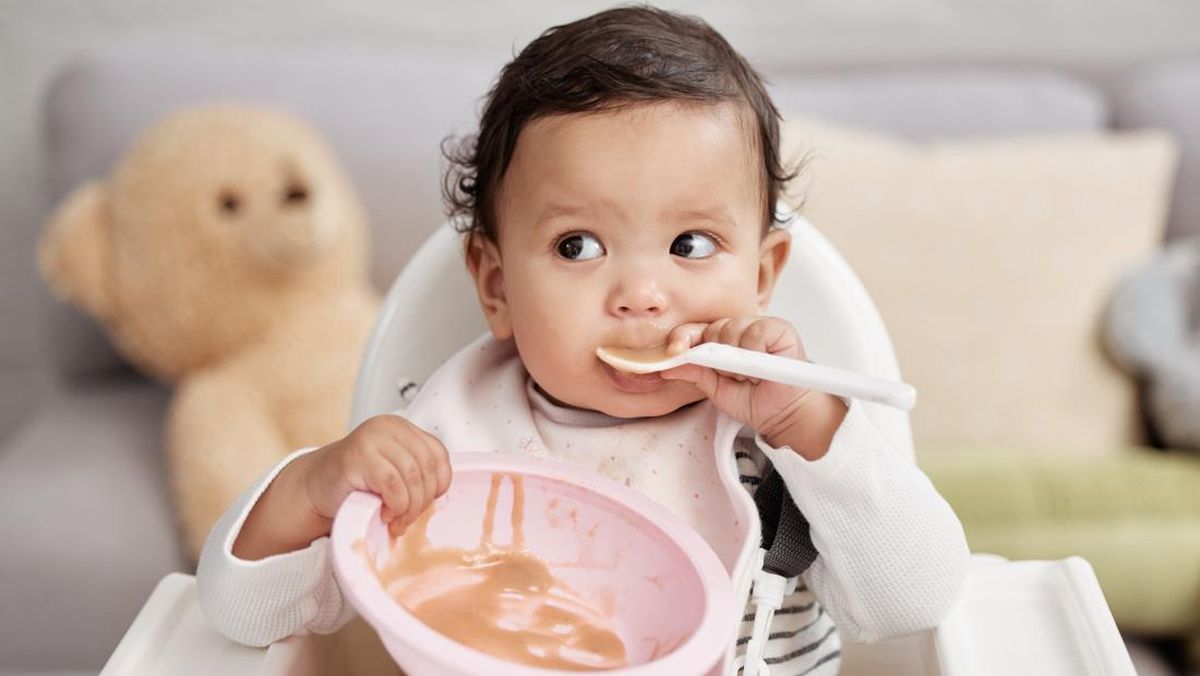
- Ages 6-8 Months: This initial phase focuses on pureed or finely mashed foods. The texture should be smooth and easily swallowed, allowing the infant’s immature digestive system to adapt. Examples include pureed fruits, vegetables, and single-grain cereals.
- Ages 9-11 Months: As infants develop their chewing and swallowing abilities, the texture of their food can gradually become coarser. This stage involves finely chopped foods, thicker purees, and the introduction of soft finger foods that the infant can grasp and self-feed. This promotes fine motor skills and encourages independence.
- Ages 12-23 Months: By this age, most infants are capable of consuming modified versions of family meals. The food is typically cut into small, manageable pieces to prevent choking hazards. This period is crucial for expanding the variety of nutrients and flavors introduced, solidifying healthy eating habits.
The nutritional requirements during these stages are vastly different from those of an adult athlete. Infants require nutrient-dense foods that support rapid brain development, bone growth, and overall physical maturation. Their caloric needs, while significant for their size, are not comparable to the high-energy demands placed on a professional footballer.
The Perils of Over-Nutrition for Infants
Dr. Chandrawinata sounded a particular alarm regarding the potential dangers of excessive protein and calorie intake for infants, directly referencing the implied dietary habits of someone like Haaland. "Excessive calorie and protein intake in infants is detrimental. It significantly increases the risk of developing overweight and obesity, especially with a high consumption of animal protein and total protein," he stated.
The implications of over-nutrition extend beyond weight gain. The infant’s kidneys, still developing, are placed under undue strain when processing a surplus of protein metabolites. This can lead to long-term health issues and compromise kidney function.
Furthermore, an imbalanced intake, where protein dominates the diet, can inadvertently displace other essential nutrients crucial for an infant’s holistic development. "Nutritional imbalances can occur because a diet heavy in protein may lead to reduced intake of other vital nutrients necessary for brain development and energy, such as healthy fats, iron, and carbohydrates," Dr. Chandrawinata explained. This highlights the delicate balance required in infant nutrition, where each macronutrient and micronutrient plays a specific, irreplaceable role.
A Balanced Perspective: Principles Over Portions
While Dr. Chandrawinata strongly advises against directly replicating Erling Haaland’s diet for infants, he acknowledges that certain underlying principles of the footballer’s healthy lifestyle can serve as positive inspiration for families. These principles, when adapted appropriately, can contribute to a well-rounded approach to nutrition and overall well-being for all age groups.
Key takeaways from Haaland’s presumed healthy habits that can be integrated into family routines include:
- Emphasis on Whole Foods: Prioritizing unprocessed, natural foods, such as fresh fruits, vegetables, lean proteins, and whole grains, forms the foundation of a healthy diet for both athletes and growing children. This contrasts with highly processed foods that often lack essential nutrients and can be detrimental to health.
- Meeting Protein Needs Based on Activity: While infants do not require the protein levels of a professional athlete, ensuring adequate protein intake to support their growth and development is crucial. The type and source of protein are also important considerations, with a focus on lean and easily digestible options for babies.
- Consistent Consumption of Fruits and Vegetables: A diet rich in a variety of fruits and vegetables provides essential vitamins, minerals, and fiber, which are vital for a strong immune system and overall health. Encouraging children to develop a palate for these foods from an early age is a significant long-term benefit.
- Prioritizing Sufficient Sleep: Adequate sleep is fundamental for growth, recovery, and cognitive function in all age groups. Establishing healthy sleep routines for infants and children is as important as their dietary intake.
- Balancing Energy Intake with Activity: Understanding the relationship between the energy consumed and the energy expended is a core principle of healthy living. For infants, this means providing appropriate caloric intake to support their rapid growth and developmental milestones, while for older children, it involves encouraging physical activity.
Therefore, while the viral social media trend of "Haaland-inspired MPASI" may be rooted in humor and admiration for the athlete’s performance, it serves as a crucial reminder for parents and caregivers to rely on established scientific recommendations and expert guidance when it comes to infant nutrition. The focus should remain on providing a safe, age-appropriate, and nutritionally balanced diet that supports the unique developmental needs of each child, rather than attempting to mimic the dietary regimen of a world-class athlete. The long-term health and well-being of infants depend on this nuanced and evidence-based approach to their introduction to the world of food.