Navigating the Sacred State: A Comprehensive Guide to What is Permitted and Prohibited During Ihram for Hajj and Umrah


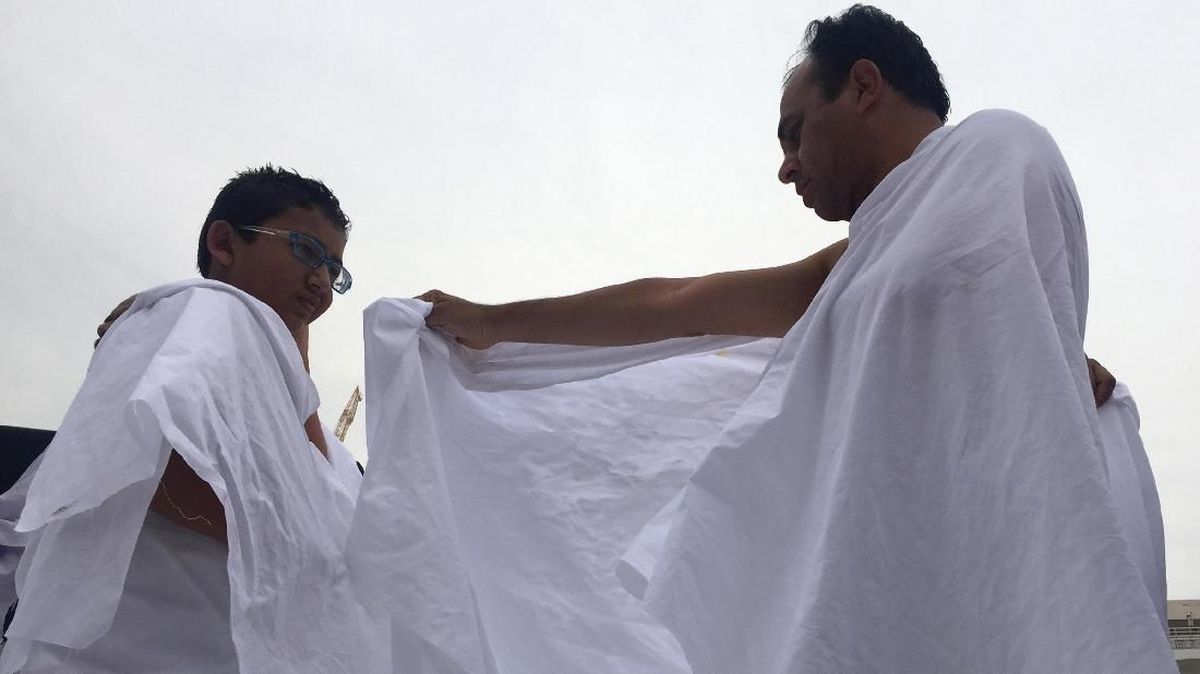
Ihram, the sacred state undertaken by Muslims embarking on the Hajj or Umrah pilgrimage, is a profound spiritual journey marked by specific observances that distinguish it from everyday life. This state of purity and devotion begins with the declaration of intention (niyyah), the donning of unstitched white garments for men, and adherence to a set of prohibitions designed to foster humility, focus, and equality among pilgrims. While the restrictions are central to understanding ihram, it is equally crucial to comprehend the permissible actions that allow pilgrims to fulfill their spiritual obligations effectively and comfortably. This comprehensive guide delves into the nuances of ihram, clarifying what actions are allowed and prohibited, offering context and practical guidance for those preparing for these significant religious journeys.
The concept of ihram, rooted in the Arabic word "haram" meaning sacred or forbidden, signifies a transition into a state where certain worldly activities become unlawful. This transition is not merely symbolic; it represents a conscious commitment to prioritizing spiritual reflection and submission to divine will. The observance of ihram is a cornerstone of both Hajj, the greater pilgrimage, and Umrah, the lesser pilgrimage, both of which are pillars of Islam. The Hajj, in particular, is a once-in-a-lifetime obligation for Muslims who are physically and financially able to undertake it, drawing millions of worshippers to Mecca each year. Understanding the intricacies of ihram ensures that these journeys are performed with the utmost devotion and correctness, maximizing their spiritual benefit.
The journey into ihram typically commences at designated miqat points, either physical locations or specific times, before entering the sacred precincts of Mecca. Upon reaching the miqat, pilgrims perform ritual ablutions, change into their ihram attire, and recite the talbiyah, a declaration of submission and readiness to perform the pilgrimage. This act signifies the commencement of the ihram state, and from this point forward, a specific set of rules and guidelines must be observed.
Permissible Actions During Ihram: Maintaining Focus and Well-being
While ihram imposes restrictions, it does not render pilgrims incapable of attending to their basic needs or managing their spiritual journey. A range of actions are permitted, allowing for the practicalities of travel and worship without compromising the sanctity of the ihram state. These permissible actions are designed to ensure that pilgrims can focus on their spiritual objectives without undue hardship.
Hygiene and Health:
Pilgrims are permitted to maintain personal hygiene and address health concerns. This includes:
- Bathing and Washing: Pilgrims may wash their bodies, including using soap, for general cleanliness or to cool down, particularly in the often-intense climate of Saudi Arabia. This is crucial for maintaining comfort and preventing discomfort that could distract from worship. However, the use of scented soaps or oils is prohibited.
- Oral Hygiene: Brushing teeth with toothpaste is allowed, ensuring oral cleanliness.
- Medical Treatments: Applying medicinal oils, balms, or lotions for therapeutic purposes is permissible. This is vital for pilgrims who may have pre-existing conditions or develop minor ailments during their travels.
- Skincare Products: The use of skincare products like lip balm, moisturizers, and lotions is allowed, especially to protect the skin from the harsh climate. This acknowledges the need to safeguard the pilgrims’ physical well-being so they can concentrate on their spiritual duties. Scholars, such as Syekh Wahbah az-Zuhaili in his renowned work "Al-Fiqh Al-Islami wa Adillatuhu," have affirmed the permissibility of using such products for protection against the elements. Syekh Muhammad Amin al-Kurdi al-Irbili al-Syafi’i, in "Tanwirul Qulub," further clarifies that soaps can be used as long as they do not contain fragrance.
Personal Comfort and Practicalities:
Several actions are permitted to ensure the physical comfort and practical needs of pilgrims are met:
- Wearing Eyewear and Accessories: Wearing glasses, sunglasses, watches, and wedding rings is allowed. These items are considered personal necessities or adornments that do not violate the spirit of ihram.
- Using Umbrellas and Shade: Pilgrims may seek shade under umbrellas, tents, cars, or trees to protect themselves from the sun. This is a practical measure to prevent heatstroke and discomfort.
- Head and Body Scratching: Pilgrims are permitted to scratch their heads and bodies to alleviate itching.
- Washing and Changing Ihram Garments: The ihram clothing itself can be washed or changed if it becomes dirty or damaged. This ensures the pilgrim maintains a state of cleanliness while adhering to the ihram attire.
- Using Belts: Wearing a belt to secure the ihram lower garment is permissible.
Dealing with Harmful Elements:
A crucial aspect of ihram is the allowance for pilgrims to defend themselves and maintain safety:
- Killing Harmful Pests and Animals: Pilgrims are permitted to kill harmful animals such as scorpions, rats, snakes, rabid dogs, crows, mosquitoes, and flies. This is a measure for self-preservation and to prevent harm or annoyance that could disrupt their worship.
- Hunting Sea Creatures: Hunting and consuming sea creatures is also permissible.
For Women:
Specific allowances are made for women during ihram:
- Washing during Wudu: Women may expose their hands and feet when performing ablution (wudu) at designated women’s wudu areas.
- Wearing Jewelry: Women are permitted to wear their jewelry.
Other Permissible Actions:
- Cupping (Berbekam): This traditional form of therapy is allowed during ihram.
- Slaughtering Domestic Animals: Pilgrims may slaughter domesticated animals for consumption.
Prohibitions During Ihram: The Essence of Sacred Devotion
The prohibitions during ihram are designed to cultivate a spirit of humility, detachment from worldly vanities, and an unwavering focus on the divine. These restrictions are not arbitrary but serve to purify the pilgrim’s intention and actions, fostering a sense of equality and spiritual discipline.
Physical Restrictions:
- Hair and Nail Care: Trimming, shaving, or removing any hair from the body, including the head, beard, mustache, and body hair, is forbidden. Similarly, cutting nails or removing skin is prohibited. This symbolizes shedding vanity and accepting one’s natural state.
- Fragrances and Perfumes: The use of perfumes, scented oils, or any fragrant substances is strictly forbidden. This extends to scented soaps and deodorants. The intention is to avoid attracting undue attention and to maintain a state of spiritual purity.
- Head and Face Coverings: Men are prohibited from covering their heads with anything that directly touches the head, such as a hat or turban. Women are also prohibited from covering their faces with a veil that directly touches the face, though they may use a head covering that extends beyond the face.
- Wearing Stitched Clothing: Men are forbidden from wearing stitched garments that cover their entire bodies, such as shirts, trousers, and underwear. They must wear the two unstitched pieces of cloth known as the izar (lower garment) and the rida’ (upper garment). This fosters equality, as all men wear similar attire, transcending social status. Women, however, are permitted to wear their usual modest clothing, provided it does not resemble the attire specifically forbidden for men.
- Hunting Land Animals: Hunting terrestrial animals that are halal to eat is prohibited. This reinforces the sanctity of life and the pilgrim’s role as a guest in the sacred land.
Interpersonal and Intimate Restrictions:
- Marriage-Related Actions: Engaging in courtship (khitbah), solemnizing a marriage contract (aqad nikah), or performing a marriage ceremony is forbidden. This is to prevent any actions that could lead to marital intimacy or divert focus from the pilgrimage.
- Intimacy and Sexual Relations: Any form of intimacy, including foreplay and sexual intercourse (jimak), is strictly prohibited. These actions are considered to be the most significant violations of ihram and carry specific penalties.
- Abusive Language and Disputes: Using foul language, engaging in arguments, or any form of contentious behavior is forbidden. The emphasis is on maintaining peace, patience, and good conduct.
- Committing Sins: Engaging in any sinful or morally reprehensible acts is strictly prohibited, as it is during any time of worship, but especially during the heightened spiritual state of ihram.
Penalties and Expiations (Dams)
Violating the prohibitions of ihram incurs penalties, often referred to as dam. The nature of the penalty varies depending on the severity and type of violation. These can include sacrificing an animal, fasting for a specified number of days, or giving charity. For instance, intentional sexual intercourse before the completion of the Hajj rituals necessitates the sacrifice of a camel and the repetition of the Hajj. Minor violations, such as accidentally covering the head or using a scented item due to forgetfulness, may require a smaller expiation like fasting or giving charity. The detailed classification of these penalties is a complex area of Islamic jurisprudence, and pilgrims are often advised to consult with religious scholars for specific guidance.
Context and Background: The Spiritual Significance of Ihram
The practice of ihram is deeply rooted in the history of Islam and the traditions of the prophets. It is seen as a symbolic return to a state of nature, unburdened by worldly adornments and social distinctions. The white, unstitched garments worn by men symbolize purity, equality, and the shroud that will eventually envelop them. This visual representation serves as a constant reminder of mortality and the ultimate accountability before God.
The restrictions also serve a practical purpose in managing the immense crowds that converge on Mecca. By limiting certain activities, the pilgrimage is made more orderly and manageable. Historically, the Hajj has been a significant event, drawing Muslims from diverse backgrounds and regions, fostering a sense of global unity within the Islamic community. The ihram state is a key element in creating this environment of shared purpose and devotion.
Broader Impact and Implications
The observance of ihram has profound implications for the spiritual growth of pilgrims. It encourages self-discipline, patience, and a heightened sense of awareness of one’s actions and intentions. By temporarily relinquishing certain freedoms and comforts, pilgrims are able to dedicate their full attention to prayer, reflection, and remembrance of God. This focus on the spiritual realm is intended to leave a lasting impact, influencing their conduct and perspective long after the pilgrimage is completed.
Furthermore, the collective experience of ihram, with millions of individuals from all walks of life wearing similar attire and adhering to the same rules, creates a powerful sense of brotherhood and sisterhood. This shared vulnerability and devotion can break down social barriers and foster a deep sense of unity and equality among Muslims worldwide. The challenges and spiritual rewards of ihram are a testament to the profound wisdom embedded in the Islamic pilgrimage traditions.
In conclusion, ihram is a multifaceted spiritual discipline that requires careful adherence to its prescribed guidelines. By understanding both what is permitted and what is prohibited, pilgrims can navigate this sacred state with clarity, devotion, and a maximized spiritual benefit, ensuring their Hajj or Umrah is a truly transformative experience.