The Truth Behind Matcha’s Skin-Boosting Claims: Antioxidants, Lifestyle, and Realistic Expectations

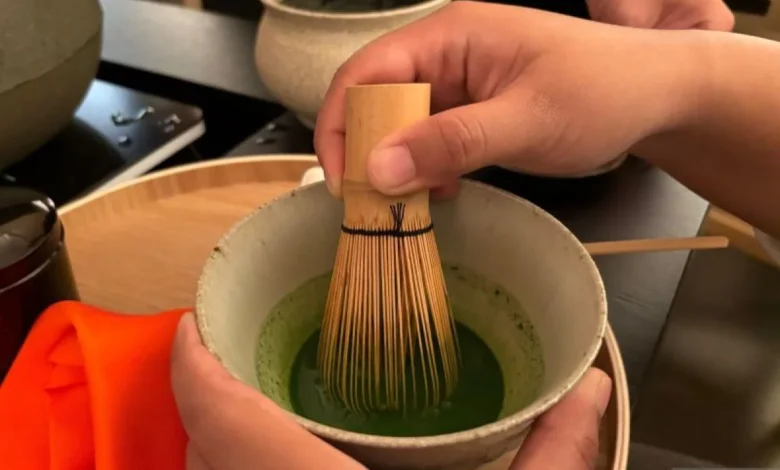
Matcha, the vibrant green powdered tea, has surged in popularity, with claims of its ability to bestow healthier, radiant skin becoming increasingly prevalent. While scientific research does point to potent compounds within matcha that can potentially support skin health, experts emphasize that these benefits are not instantaneous and require a holistic approach to well-being, including a healthy lifestyle. The notion that a daily cup of matcha alone will magically transform one’s complexion is an oversimplification, according to nutritional science professionals.
Understanding Matcha: More Than Just Green Tea
Matcha is derived from the leaves of the Camellia sinensis plant, the same species that yields traditional green tea. However, its cultivation and processing set it apart significantly. For several weeks before harvest, the tea plants destined for matcha are shaded from direct sunlight. This shading process increases chlorophyll production, resulting in a more intense green hue and a higher concentration of beneficial compounds. After harvesting, the leaves are steamed, dried, and then meticulously ground into an exceptionally fine powder using stone mills. This process preserves the entirety of the leaf, unlike steeped green tea where only the infused water is consumed.
This integral consumption of the leaf is crucial to understanding matcha’s purported health benefits. When you drink matcha, you are ingesting the whole leaf, including its rich array of vitamins, minerals, fiber, and, most notably, its potent antioxidants. This contrasts with regular green tea, where many of the beneficial compounds remain in the steeped leaves.
The Powerhouse Compound: Epigallocatechin Gallate (EGCG)
At the forefront of matcha’s health-promoting profile is a type of catechin known as Epigallocatechin gallate (EGCG). EGCG is a powerful antioxidant, and research has extensively documented its role in combating oxidative stress. Oxidative stress occurs when there is an imbalance between free radicals and antioxidants in the body, leading to cellular damage. These free radicals, often generated by environmental factors like UV radiation, pollution, and even internal metabolic processes, can accelerate aging and contribute to various chronic diseases.
"The antioxidant content in matcha, particularly EGCG, is indeed substantial and holds potential for supporting skin cells," stated Professor Nuri Andarwulan, a distinguished Professor at the Department of Food Science and Technology at IPB University. "However, it’s crucial to understand that these benefits are not a magic bullet. Simply consuming matcha regularly does not guarantee instantly glowing skin. Other factors such as a nutritious diet, adequate sleep, proper hydration, diligent sunscreen use, and a well-rounded skincare routine remain the primary determinants of skin health."
Potential Dermatological Benefits of Matcha: A Deeper Dive
While the idea of "glowing skin" is often associated with beauty trends, the scientific underpinnings of matcha’s potential impact on the skin are rooted in its biochemical properties. Research, though sometimes preliminary and requiring further clinical validation in humans, suggests several ways matcha may contribute to healthier skin.
1. Defense Against Free Radicals and Premature Aging
Matcha’s high concentration of EGCG and other catechins acts as a formidable shield against free radicals. These unstable molecules can wreak havoc on skin cells, leading to a breakdown of collagen and elastin, the proteins responsible for skin’s firmness and elasticity. This damage manifests as visible signs of aging, such as fine lines, wrinkles, and a loss of youthful plumpness. By neutralizing these free radicals, matcha’s antioxidants can help mitigate this oxidative damage, potentially slowing down the aging process and preserving a more youthful appearance. Studies have indicated that the antioxidant capacity of matcha can be significantly higher than that of other popular antioxidant-rich foods, underscoring its potent protective capabilities.
2. Mitigation of Skin Inflammation
Inflammation is a common underlying factor in many skin conditions, from acne and rosacea to eczema and psoriasis. EGCG has demonstrated anti-inflammatory properties in laboratory settings. By potentially reducing inflammatory pathways, matcha may help to soothe irritated skin, reduce redness, and alleviate discomfort associated with inflammatory conditions. While promising, further extensive clinical trials are needed to definitively establish the extent of matcha’s anti-inflammatory effects on various human skin ailments. However, anecdotal evidence and preliminary research suggest a supportive role.
3. Safeguarding Skin Cell Integrity
Beyond fighting external aggressors like UV rays and pollution, matcha’s antioxidants can help protect skin cells from internal damage. Chronic exposure to environmental toxins and excessive sun radiation can compromise the health and function of skin cells. The protective action of matcha’s compounds can fortify these cells, aiding in their repair mechanisms and promoting long-term skin resilience. This cellular protection is a foundational element for maintaining healthy skin barrier function and preventing further damage.
4. Aiding in the Battle Against Acne
Acne is a complex condition often driven by bacterial overgrowth, inflammation, and excess sebum production. Some in vitro studies have suggested that EGCG possesses antimicrobial properties that can help combat acne-causing bacteria like Propionibacterium acnes. Furthermore, its anti-inflammatory effects could help reduce the redness and swelling associated with breakouts. However, it is crucial to reiterate that the current evidence does not support the consumption of matcha as a standalone cure for acne in humans. It should be viewed as a potential complementary measure within a comprehensive acne management plan that may include topical treatments and professional medical advice.
5. Holistic Support for Overall Skin Vitality
Matcha’s nutritional profile extends beyond catechins. It is also a source of vitamins, minerals, and chlorophyll, all of which contribute to general well-being and, by extension, skin health. Chlorophyll, the pigment that gives matcha its intense green color, is known for its detoxifying properties and its ability to support the body’s natural cleansing processes. When consumed as part of a balanced diet, and ideally without excessive added sugars, matcha can contribute to a robust internal environment that supports healthy skin function. This broader nutritional contribution underscores its role in supporting skin vitality from within.
The Importance of a Balanced Perspective: Beyond the Beverage
The growing interest in matcha’s cosmetic benefits has, at times, led to exaggerated claims. It is imperative to ground these expectations in scientific reality. Professor Andarwulan’s emphasis on a healthy lifestyle as the cornerstone of good skin health is paramount.
A typical daily regimen for optimal skin health would include:
- Nutrient-Rich Diet: A diet abundant in fruits, vegetables, whole grains, and lean proteins provides the essential vitamins, minerals, and antioxidants necessary for cellular repair and regeneration. This includes healthy fats from sources like avocados, nuts, and seeds, which are vital for maintaining skin’s moisture barrier.
- Adequate Hydration: Drinking sufficient water throughout the day is critical for keeping skin cells plump and hydrated, promoting a healthy complexion and aiding in the flushing of toxins.
- Sufficient Sleep: During sleep, the body undergoes crucial repair processes, including skin cell turnover and collagen production. Chronic sleep deprivation can negatively impact these processes, leading to dull skin and increased signs of aging.
- Sun Protection: Consistent and proper application of sunscreen with adequate SPF is non-negotiable for protecting the skin from the damaging effects of UV radiation, a primary driver of premature aging and skin cancer.
- Consistent Skincare Routine: A personalized skincare routine tailored to one’s skin type and concerns, incorporating cleansing, moisturizing, and targeted treatments, is essential for maintaining skin health.
Contextualizing the Rise of Matcha
The surge in matcha’s popularity can be traced back to several converging trends. In recent years, there has been a significant global consumer shift towards natural, plant-based products perceived as healthier alternatives. Matcha, with its ancient roots in Japanese culture and its association with mindfulness and wellness, fits perfectly into this narrative. Furthermore, the rise of social media has played a pivotal role in disseminating information, both accurate and anecdotal, about the benefits of various superfoods, including matcha.
The culinary world has also embraced matcha, integrating it into a wide array of products beyond beverages, from lattes and smoothies to ice creams, pastries, and even savory dishes. This widespread availability and culinary versatility have made matcha more accessible and appealing to a broader audience.
Looking Ahead: Research and Realistic Expectations
While the existing research on matcha’s health benefits is encouraging, the scientific community continues to explore its full potential. Future clinical trials are needed to provide more definitive evidence on its efficacy for specific skin conditions and to establish optimal dosages and consumption methods for targeted benefits.
In conclusion, matcha is a nutrient-dense beverage with scientifically recognized antioxidant and anti-inflammatory properties that can indeed contribute to healthier skin. However, it is not a standalone solution for achieving radiant skin. Its benefits are best realized when integrated into a comprehensive approach to wellness that prioritizes a balanced diet, adequate hydration, sufficient sleep, sun protection, and a consistent skincare regimen. By adopting a realistic and informed perspective, consumers can harness the potential of matcha as a valuable addition to their journey towards optimal skin health and overall well-being.
Disclaimer: This article is for informational purposes only and does not constitute medical advice. Always consult with a qualified healthcare professional or dermatologist for any health concerns or before making any decisions related to your health or treatment.
Related posts: