Indonesia Targets Energy Sovereignty with 2 Million Hectare Bioethanol Initiative and Ambitious E20 Roadmap by 2029

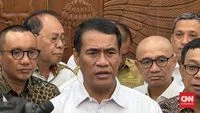
Jakarta — In a sweeping strategic move aimed at cutting fossil fuel dependency and achieving national energy self-sufficiency, the Government of Indonesia has officially announced plans to develop between 1 million and 2 million hectares of new agricultural land. This massive undertaking is designed to supply vital feedstock—specifically sugarcane, cassava, and maize—for a burgeoning domestic bioethanol industry. Spearheaded by Minister of Agriculture Andi Amran Sulaiman, the initiative follows a pivotal limited cabinet meeting presided over by President Prabowo Subianto, signaling a coordinated national push toward renewable energy integration.
The core objective of this extensive agricultural expansion is to support the gradual mandatory blending of bioethanol into commercial gasoline, culminating in the nationwide implementation of the E20 standard (a 20 percent ethanol blend) by 2029. Beyond environmental benefits, the administration anticipates profound macroeconomic advantages, projecting staggering annual foreign exchange savings and the creation of millions of green-collar jobs across the archipelago.
Strategic Roadmap and Implementation Phases
The rollout of Indonesia’s bioethanol program is structured as a phased transition, carefully calibrated to match agricultural readiness with industrial processing capacity. According to the Ministry of Agriculture, the blending mandates will scale progressively over the coming years. The government intends to introduce lower blending thresholds—namely E5 and E10—as stepping stones before achieving the E20 target by 2029.
Furthermore, agricultural planners are looking even further ahead. Minister Amran noted that if current momentum is sustained and feedstock cultivation scales according to projections, Indonesia could potentially accelerate toward an E40 blend by 2030 or 2031. This trajectory places Indonesia among the most ambitious emerging economies in Southeast Asia regarding biofuel adoption.
To operationalize this vision, the government is mobilizing a multi-pronged strategy that includes massive land allocation, the construction of dedicated processing facilities, and the distribution of modern agricultural machinery to farmers. Initial groundwork has already commenced, with the administration aiming to initiate pilot planting programs and infrastructure mapping swiftly.
Land Acquisition and Environmental Safeguards
A critical challenge in executing a project of this magnitude is securing sufficient arable land without triggering large-scale deforestation or ecological degradation. Addressing these concerns, the Ministry of Agriculture has outlined a stringent, environmentally conscious land-selection protocol.
Rather than resorting to immediate forest clearance—which Amran explicitly ruled out as an absolute last resort—the government will first tap into existing, pre-vetted land inventories. Approximately 20 million hectares of land currently designated for agroforestry, food crop expansion, and previously released forest areas are undergoing rigorous screening.
Specifically, the government has identified roughly 1.3 million hectares of already-released land that will be assessed for its suitability, particularly for sugarcane cultivation, which demands the lion’s share of the projected footprint (around 1 million hectares). The remaining acreage will be distributed among cassava and maize production zones. By prioritizing non-forested, underutilized, or degraded lands, the administration seeks to balance industrial growth with strict environmental stewardship and climate commitments.
Public-Private Partnership and Financing Models
The financial architecture required to build the necessary network of bioethanol refineries across the country is projected to be substantial. To mitigate fiscal strain on the state budget, the Indonesian government is championing a collaborative financing model that leverages both State-Owned Enterprises (SOEs) and private sector investment.
Under the proposed financial framework, state enterprises are expected to shoulder an initial capital commitment ranging from 30 to 50 percent, depending on corporate capacity. The remaining capital requirements—estimated at up to 70 percent—will be opened to private investors.
The government believes this proposition is highly attractive to private capital because the state will actively handle the complex processes of land acquisition, regulatory clearance, and infrastructure facilitation. Drawing from historical parallels, the Ministry of Agriculture noted that when the government aggressively oversees land preparation, regional processing plants—such as the previously established sugar mills—can be fully constructed and operational within two to three years.
Regional Coordination and Local Stakeholder Engagement
The success of the bioethanol initiative heavily relies on decentralized execution and grassroots participation. To ensure smooth operations at the local level, the central government has initiated high-level consolidations involving the Ministry of Forestry, relevant state-owned enterprises, and regional administrations.
Crucially, local political leadership has signaled strong enthusiasm for the initiative. A reported 44 district heads (bupati) across key agricultural regions have already formally declared their support for the development of bioethanol feedstocks within their jurisdictions. This local buy-in is viewed as indispensable for resolving localized land tenure issues, organizing farming cooperatives, and integrating smallholder farmers into the national energy supply chain.
The Ministry of Agriculture plans to supply participating farming communities with advanced agricultural machinery, high-yield seeds, and technical assistance. By integrating smallholders directly into the industrial supply chain, the program aims to ensure that the economic dividends of the green energy transition flow directly to rural economies.
Broader Economic Implications and Energy Security
The synchronization of the bioethanol roadmap with existing national biofuel policies—most notably the ambitious B50 biodiesel program—forms the cornerstone of Indonesia’s broader strategy to achieve complete energy sovereignty. For decades, Southeast Asia’s largest economy has remained vulnerable to global crude oil price volatility and heavy reliance on imported fossil fuels, which places a recurring burden on the national current account.
According to government econometric projections, the full realization of the biodiesel and bioethanol programs could yield cumulative foreign exchange savings of approximately US$30 billion (equivalent to roughly Rp500 trillion) annually. This massive retention of capital will bolster Indonesia’s macroeconomic resilience against external global shocks.
In addition to fiscal and energy security benefits, the initiative promises transformative social impacts. Ministry estimates indicate that the widespread cultivation, harvesting, processing, and distribution of energy crops will generate at least 8 million permanent, high-value jobs. These employment opportunities are expected to revitalize rural labor markets, curb urbanization pressures, and elevate the baseline welfare of agrarian households.
As Indonesia navigates the complexities of climate change, economic transformation, and sustainable development, the bioethanol initiative stands as a defining test of the nation’s capacity to harmonize industrial ambition with environmental preservation. With political will galvanized at the highest levels of government and regional stakeholders firmly aligned, the nation takes its decisive steps toward a cleaner, self-reliant energy future.
Related posts: