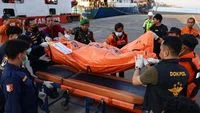
Seven-Year-Old Orphaned by KM Nurul Salsa Tragedy as Indonesia Grapples with Maritime Safety Challenges

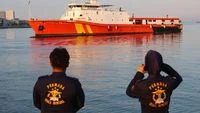
Makassar, Indonesia – A heart-wrenching maritime disaster off the coast of Selayar Islands, South Sulawesi, has left a seven-year-old girl, Diska Yanti, orphaned after the passenger vessel KM Nurul Salsa capsized and sank, claiming the lives of her parents and leaving other passengers missing. The incident, which unfolded on Wednesday, July 15, 2020, has cast a harsh spotlight on the persistent dangers of inter-island travel in the vast Indonesian archipelago, prompting renewed calls for enhanced safety measures and robust governmental support for the victims. Diska, along with four other survivors, endured a harrowing ordeal at sea for several days before being rescued, while the search for other missing passengers continues amidst the grim reality of the ocean’s unforgiving expanse.
The tragic voyage of KM Nurul Salsa commenced from the remote Ma’minasata village in Pasimasunggu sub-district, Selayar Regency, destined for the bustling Benteng Port, a vital lifeline connecting the scattered communities of the Selayar Islands with the provincial capital. Among its passengers were Hasbi, 41, and Malida, 31, who were traveling with their young daughter, Diska. For countless islanders across Indonesia, sea travel is not merely a convenience but an absolute necessity, often the only means of transport for daily commerce, family visits, or accessing essential services unavailable in their remote hamlets. This reliance, however, frequently comes at a high cost, as many vessels operating in these routes are older, potentially overloaded, and sometimes inadequately maintained, sailing through waters prone to unpredictable weather shifts and formidable waves.
A Harrowing Timeline of Survival and Loss
The fateful journey on July 15 began under what might have seemed ordinary conditions, but the serene facade of the Flores Sea quickly gave way to a violent tempest. Accounts from survivors paint a grim picture of the moments leading up to and immediately following the capsizing of KM Nurul Salsa. As the vessel navigated its route, it encountered severe weather, characterized by towering waves and powerful currents, a common yet perilous feature of Indonesia’s maritime environment during certain seasons. The precise cause of the sinking remains under investigation, but initial reports and survivor testimonies suggest the ship was overwhelmed by the unforgiving sea conditions.
When the vessel succumbed to the relentless waves, chaos ensued. Passengers were thrust into the turbulent waters, desperately clinging to any available debris or makeshift flotation devices. Diska, her parents Hasbi and Malida, and her aunt Bau Asseng, 23, were among a small group who managed to secure themselves to a piece of gabus (styrofoam or cork board), a common improvised flotation aid in such emergencies. For days, this small band of survivors, comprising six individuals including the two children, Diska and Sri Ardita (17), along with Andi Samad (62) and Sitti Amang (55), battled the elements. They were adrift in the vast open sea, exposed to the scorching sun by day and the chilling winds by night, their hopes dwindling with each passing hour.
The struggle for survival was an unimaginable test of human endurance. Bau Asseng recounted the horrifying moments when the relentless waves proved too much for the group to stay together. "Because of the high waves, we struggled to hold on," she told reporters. The family was tragically separated. Diska’s mother, Malida, clung to life on a separate piece of gabus for three agonizing nights. Her will to survive eventually succumbed to the crushing combination of severe dehydration, exhaustion, and the injuries sustained during the ordeal. The surviving group, in a heart-wrenching decision born out of dire necessity and the sheer impossibility of carrying her body while fighting for their own lives, were forced to leave Malida’s remains to the sea.
Meanwhile, Diska’s father, Hasbi, also became separated from the group. Before he was lost to the sea, in a poignant and final act of paternal love and concern, he managed to convey a desperate plea to his sister, Bau Asseng: "Please take care of Diska." These words, etched into Bau Asseng’s memory, underscore the profound tragedy and the deep sense of responsibility that now weighs upon the surviving family members. The exact circumstances of Hasbi’s disappearance remain unclear, but it is presumed he, too, perished in the turbulent waters.
Four days after the sinking, on Saturday, July 19, a glimmer of hope pierced through the despair. A fishing vessel traversing the Flores Sea spotted the five remaining survivors – Bau Asseng, Diska Yanti, Sri Ardita, Andi Samad, and Sitti Amang – adrift and severely weakened but alive. Their rescue brought immense relief, but also a stark reminder of the many others who remained missing. The survivors were immediately evacuated and received urgent medical attention, their physical wounds evident, but their psychological trauma undoubtedly far deeper.
Indonesia’s Enduring Maritime Safety Predicament
The tragedy of KM Nurul Salsa is not an isolated incident but rather a stark reminder of the persistent challenges facing maritime safety in Indonesia. As the world’s largest archipelagic nation, comprising over 17,500 islands, Indonesia relies heavily on sea transportation for connectivity, trade, and daily life. Millions of people traverse its waters annually, making inter-island ferries and smaller passenger boats indispensable. However, this critical dependence is often marred by a troubling frequency of maritime accidents.
Statistics from Indonesia’s National Transportation Safety Committee (KNKT) and the National Search and Rescue Agency (BASARNAS) consistently highlight critical vulnerabilities in the country’s maritime sector. Common causes of these disasters include:
- Overloading: Many vessels, particularly smaller ones operating in remote areas, often carry passengers and cargo far exceeding their official capacity, a dangerous practice driven by economic pressures and lax enforcement.
- Poor Maintenance: An aging fleet, coupled with inadequate maintenance regimes and insufficient inspections, means many boats are not seaworthy, increasing the risk of mechanical failures.
- Unpredictable Weather: Indonesia sits in a tropical zone prone to sudden and severe weather changes, including monsoons, tropical storms, and powerful localized squalls, which can quickly overwhelm smaller vessels.
- Human Error: Factors such as crew negligence, lack of proper training, fatigue, and poor decision-making by captains contribute significantly to accidents.
- Inadequate Safety Equipment: Many vessels lack sufficient life jackets, life rafts, and emergency communication equipment, or the existing equipment is poorly maintained or inaccessible during a crisis.
- Informal Operations: A significant portion of inter-island transport operates informally, making it difficult for authorities to monitor and regulate, further compromising safety standards.
The Selayar Islands, located in the vast expanse of the Flores Sea, are particularly vulnerable. The sea lanes around the archipelago are known for strong currents and unpredictable weather patterns, especially during the transitional seasons. Local communities, often with limited alternatives, depend on these vessels, creating a cycle where safety might be compromised for the sake of connectivity and economic activity. Each incident, like the sinking of KM Nurul Salsa, underscores the urgent need for a comprehensive overhaul of maritime safety protocols, stricter enforcement, and greater investment in modern, safe transportation infrastructure.
Official Responses and Long-Term Commitments
In the wake of the KM Nurul Salsa tragedy, local and national authorities swiftly mobilized resources and issued statements addressing the immediate crisis and long-term implications. The Selayar Regency government, led by Bupati (Regent) H. M. Basli Ali, has been at the forefront of the response efforts. Bupati Ali expressed profound sorrow over the incident and emphasized the government’s commitment to supporting the victims and their families.
A key focus of the Selayar Regency government’s response is the welfare of Diska. Bupati Ali publicly pledged the local administration’s full support for the newly orphaned girl. "We are aware that the child has lost her parents, and God willing, she will become the responsibility of the regional government," he stated, adding that the government would guarantee Diska’s educational expenses, potentially through to university level. This commitment aims to provide Diska with stability and opportunity, mitigating the profound impact of losing both parents at such a tender age.
Beyond individual support, the Selayar government also committed to providing santunan (compensation or aid) to all victims and their families, acknowledging the financial and emotional burden imposed by the disaster. Furthermore, Bupati Ali assured the public that search and rescue operations would continue with full force, leveraging all available resources and strengthening coordination with various agencies. "We ask for prayers from all community members so that the search process is facilitated and that the victims who have not yet been found can be rescued immediately," he urged, highlighting the collaborative nature of the ongoing efforts.
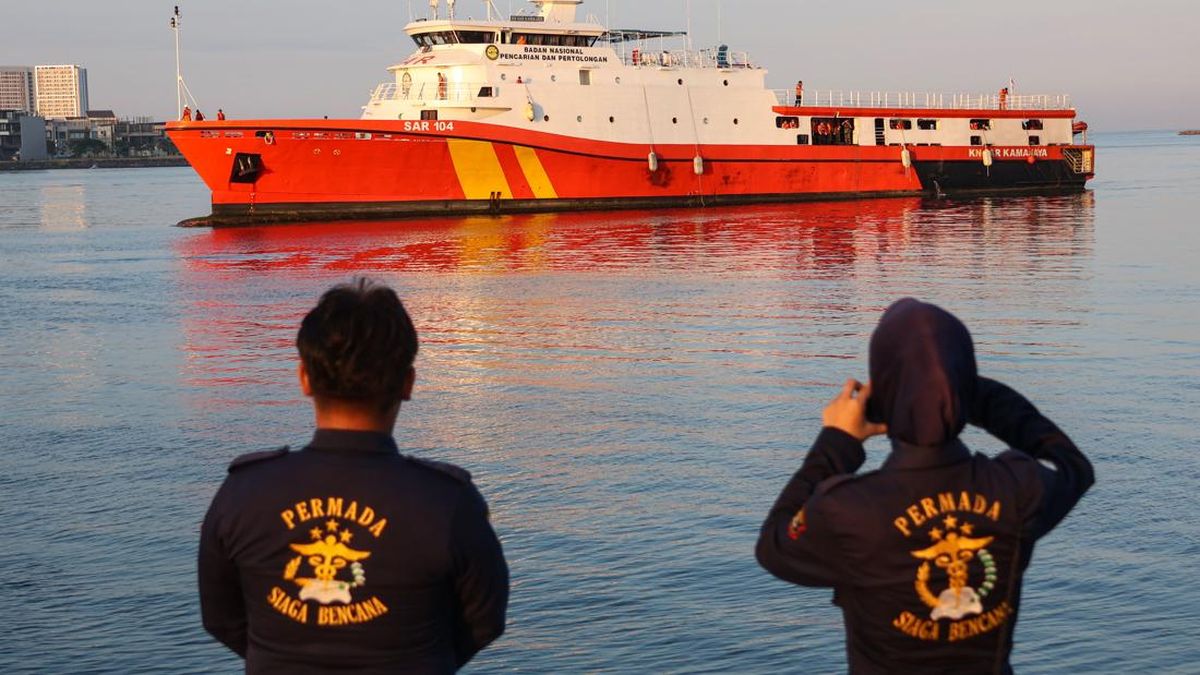
Indonesia’s National Search and Rescue Agency (BASARNAS) played a crucial role in coordinating the extensive search operation. Immediately after the sinking was reported, BASARNAS deployed assets including rescue vessels, rubber boats, and personnel to the designated search area. Their efforts were augmented by the Indonesian Navy (TNI AL), the National Police (POLRI) maritime unit, and importantly, local fishermen, whose intimate knowledge of the local waters proved invaluable. The challenges faced by search teams in vast open waters, particularly after several days, are immense, with factors like currents, weather, and the sheer scale of the ocean making recovery efforts exceedingly difficult.
At the national level, the Ministry of Transportation, through its Directorate General of Sea Transportation, is expected to launch a thorough investigation into the sinking of KM Nurul Salsa. Such investigations typically aim to ascertain the exact cause of the accident, assess the vessel’s seaworthiness, review its permits and safety equipment, and determine if any negligence contributed to the disaster. Findings from these investigations often lead to recommendations for policy changes, stricter enforcement of regulations, and potential legal action against responsible parties. The incident serves as a grim reminder for maritime authorities to redouble their efforts in vessel inspections, ensuring compliance with safety standards, and enforcing passenger manifest regulations to accurately account for all individuals on board.
Broader Impact and Implications for Maritime Safety
The tragedy of KM Nurul Salsa resonates far beyond the immediate grief of the affected families and the Selayar community. It carries significant broader implications for Indonesia’s maritime policy, socio-economic fabric, and humanitarian response mechanisms.
From a humanitarian perspective, the ordeal of Diska and other survivors underscores the critical need for comprehensive psychological support for victims of such traumatic events. Losing family members in such a sudden and violent manner, coupled with the harrowing experience of fighting for survival at sea, can leave deep and lasting emotional scars. Beyond immediate aid, sustained support systems for orphaned children and grieving families are paramount.
In terms of maritime policy and regulation, the incident invariably reignites calls for urgent reforms. There is a pressing need for:
- Stricter Enforcement: Existing maritime safety regulations, which are often robust on paper, need more rigorous and consistent enforcement, especially in remote areas where oversight may be lax.
- Enhanced Inspections: Regular, thorough, and unannounced inspections of all passenger vessels, particularly those operating on local routes, are crucial to ensure seaworthiness and compliance with safety standards.
- Mandatory Manifests: Accurate and enforced passenger manifests are vital not only for accountability but also for effective search and rescue operations.
- Investment in Modern Fleet: Incentives and support for operators to upgrade to newer, safer vessels equipped with modern navigation and safety technology.
- Public Awareness Campaigns: Educating passengers about their rights, the importance of life jackets, and reporting unsafe practices can empower communities to demand higher safety standards.
The economic implications for communities like Ma’minasata village, which rely on sea transport for trade and livelihoods, are also substantial. Disruptions to sea routes, even temporary ones due to heightened scrutiny or fear, can impede the flow of goods and people, affecting local economies already vulnerable. The loss of life also means a loss of productive members of the community, further impacting economic stability.
Ultimately, the sinking of KM Nurul Salsa serves as a painful and poignant lesson for Indonesia. While the archipelago’s reliance on sea transport is an immutable fact of its geography, the recurring pattern of maritime disasters highlights a systemic vulnerability that demands continuous and concerted action. The commitment to Diska’s future, while a vital gesture of compassion, must be complemented by a broader, unwavering commitment to ensuring that no other child has to endure such a profound loss due to preventable maritime tragedies. The path forward requires not just reactive responses but proactive measures, a culture of safety, and robust governance that prioritizes human lives over expediency and cost-cutting, ensuring that Indonesia’s indispensable sea lanes are truly safe for all who traverse them.