Tragic Loss of Ministry of Creative Economy ASN During National Reserve Military Training Highlights Heatstroke Risks

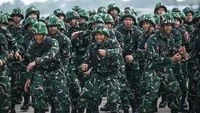
The national discourse surrounding the welfare and safety protocols of military training programs for civilian volunteers has intensified following the untimely death of Vanreko Varkas Bagaskara, a civil servant (Aparatur Sipil Negara or ASN) attached to the Indonesian Ministry of Creative Economy. Mr. Bagaskara passed away on Saturday, September 26, while actively participating in the Basic Military Training for the Reserve Component (Latsarmil Komcad) held at the Halim Perdanakusuma Air Force Base in Jakarta. Medical authorities confirmed that the primary cause of death was severe heatstroke, a condition exacerbated by physical exhaustion and high environmental temperatures. This critical incident has brought renewed attention to the physical demands placed on civilian participants in military preparedness initiatives, prompting extensive reviews of medical readiness, hydration protocols, and heat illness prevention strategies across defense training facilities nationwide.
Chronology of Events and Medical Intervention
The sequence of events leading to the tragedy began on Friday, September 25, at approximately 09.30 Western Indonesian Time (WIB). Mr. Bagaskara had successfully completed the first session of the Latsarmil closing ceremonies and training exercises. However, as preparations commenced for the second training session of the day, the victim abruptly experienced acute physical distress. He reported symptoms of tunnel vision—specifically describing his surroundings turning dark—alongside severe dizziness before losing consciousness entirely.
On-site medical personnel from the Military Health Center (Pusdikkes), stationed strategically around the training grounds and operating under the leadership of Dr. Iriane Dewi, responded immediately. Initial triage and clinical evaluations conducted at the scene revealed that the participant was suffering from severe hypotension (low body blood pressure) alongside a dangerous spike in core body temperature. These clinical markers are classic indicators of heatstroke, a life-threatening medical emergency triggered when the body’s thermoregulation system fails under extreme physical exertion and environmental thermal load.
Emergency responders initiated immediate field interventions. These measures included external cooling protocols utilizing cold compresses, intravenous (IV) fluid resuscitation to stabilize blood pressure, and targeted oxygen therapy. Recognizing the severity of his condition, the medical team expedited his transfer to the emergency department (IGD) at the Dr. Esnawan Antariksa Air Force Hospital (RSAU) located within the Halim Perdanakusuma complex.
Hospitalization, Stabilization, and Subsequent Complications
Upon arrival at the RSAU dr. Esnawan Antariksa emergency unit, a multidisciplinary team of specialist physicians executed a comprehensive critical care protocol. The patient was subjected to rigorous hemodynamic observation, thorough internal organ function evaluations, and continuous respiratory stabilization support.
Initial reports from the hospital provided a glimmer of hope. Throughout Friday afternoon and into the evening, neurological observations indicated positive developmental signs. The patient briefly regained consciousness, demonstrated spontaneous reflex responses, and achieved relatively stable vital signs under continuous clinical monitoring.
However, the insidious nature of systemic heatstroke manifested the following morning. On Saturday, September 26, at approximately 04.30 WIB, Mr. Bagaskara suffered a sudden clinical regression characterized by recurrent seizures. These neurological episodes precipitated a rapid decline back into unconsciousness, reflecting the severe systemic complications that heatstroke can exert on vital organ systems, particularly the brain and cardiovascular network.
Recognizing the necessity for advanced neuro-intensive care, the medical leadership at RSAU dr. Esnawan Antariksa, led by Head of Hospital Colonel Kes Dr. Iman Fathurrohman, coordinated an urgent inter-facility transfer. The patient was transported in a fully equipped Intensive Care Unit (ICU) standard ambulance, accompanied by a dedicated medical crew and personnel from the Air Force Military Police (POM AU), en route to the prestigious Gatot Soebroto Army Central Hospital (RSPAD Gatot Soebroto).
Final Medical Efforts and Official Confirmation of Passing
The ambulance arrived at the IGD of RSPAD Gatot Soebroto at 11.30 WIB. Upon admission, specialized diagnostic procedures were immediately deployed, including a computerized tomography (CT) scan of the head to assess neurological damage. Intensive life-support measures were continued in the ICU under the direct supervision of the Attending Physician in Charge (DPJP), Dr. Tanov, Sp.S. High-ranking officials from Pusdikkes and the Ministry of Defense were also present to monitor the situation closely.
Despite the concerted and exhaustive efforts deployed by the joint medical coalition—comprising personnel from Pusdikkes, RSAU dr. Esnawan Antariksa, and RSPAD Gatot Soebroto—the physiological damage proved insurmountable. Mr. Vanreko Varkas Bagaskara, S.Pd., was officially pronounced dead by the attending medical team after his organs failed to recover from the systemic shock.
Institutional Tributes and Comprehensive State Support
In the wake of the tragedy, official statements were released by military health authorities and government bodies acknowledging the dedication of the fallen civil servant. Colonel Kes Dr. Iman Fathurrohman expressed deep condolences on behalf of the Indonesian National Armed Forces (TNI) Health Service and the Latsarmil Komcad organizing committee.
"The late Mr. Bagaskara was a young patriot characterized by exceptional dedication, unwavering integrity, and an extraordinary spirit of national defense," Colonel Iman stated. He emphasized that the Ministry of Defense, in active collaboration with the Ministry of Creative Economy and other relevant state agencies, assumed full responsibility for the funeral rites, final military honors, the transportation of the body to the family home, and comprehensive administrative support for the grieving family.
Background and Context of the Reserve Component Program
The Komcad (Komponen Cadangan or Reserve Component) program is an integral pillar of Indonesia’s total defense system, established under Law No. 23 of 2019 concerning the National Resource Management for National Defense. The initiative allows eligible Indonesian citizens, including civil servants, professionals, and students, to volunteer for military training to support the Main Component (the Indonesian National Armed Forces) in times of national emergency or war.
While the program aims to instill discipline, nationalism, and basic combat readiness, it subjects civilian participants to rigorous physical conditioning regimens that mirror basic military training. The transition from sedentary or desk-bound administrative professions, typical of many ASN roles, to intensive outdoor physical drills under tropical climatic conditions presents inherent physiological challenges.
Understanding Heatstroke in High-Performance Military Contexts
Heatstroke represents the most severe form of heat illness and constitutes a true medical emergency. It is defined medically as a core body temperature exceeding 40 degrees Celsius (104 degrees Fahrenheit) accompanied by central nervous system dysfunction, such as delirium, seizures, or coma, occurring after exposure to environmental heat or strenuous physical exercise.
In tropical countries like Indonesia, high ambient temperatures combined with high relative humidity significantly impair the body’s primary cooling mechanism: the evaporation of sweat. When civilian volunteers undergo strenuous endurance training without adequate physiological acclimatization, the risk of exertional heatstroke multiplies. Medical experts emphasize that rapid recognition, immediate aggressive cooling (such as cold-water immersion or ice-sheet application), and rapid fluid resuscitation are the only effective measures to prevent multi-organ failure and mortality.
Broader Implications for Training Safety Protocols
The passing of Vanreko Varkas Bagaskara has ignited critical discussions among safety analysts, defense observers, and public health professionals regarding the optimization of training protocols for non-military personnel. While military readiness requires stringent physical testing, calls have grown louder for the implementation of dynamic, individualized health monitoring systems tailored to participants from diverse civilian professional backgrounds.
Stakeholders have underscored the necessity of pre-training medical screenings that account for transient susceptibility factors, real-time wet-bulb globe temperature (WBGT) index monitoring to mandate hydration and rest breaks, and the immediate deployment of active cooling modalities directly at training campsites rather than relying solely on post-collapse evacuation. As the Ministry of Defense and participating civil institutions review the operational safety guidelines of future Latsarmil Komcad cohorts, the legacy of Mr. Bagaskara remains tied to ongoing efforts to balance rigorous national defense education with uncompromising standards for participant health and safety.