Exploring the Cosmos and the Human Heart: A Curated List of Epic Sci-Fi Films Beyond Interstellar

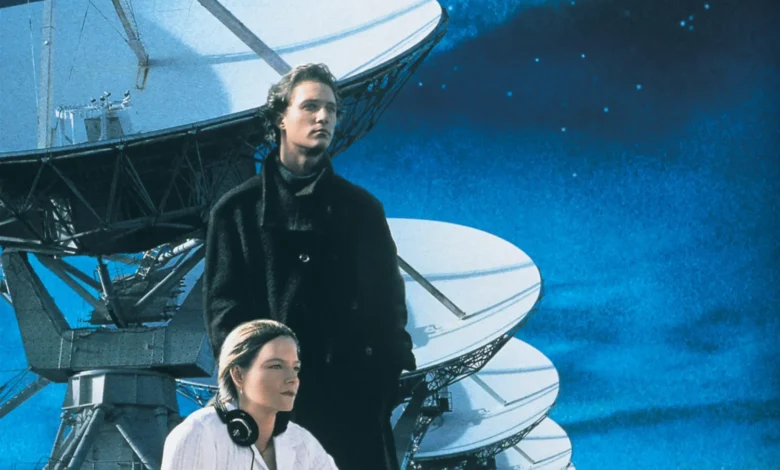
Published: July 24, 2026, 17:26 WIB
Christopher Nolan’s Interstellar (2014) stands as a landmark achievement in cinematic science fiction, masterfully weaving together complex scientific theories—such as black holes, time dilation, and interstellar travel—with a deeply poignant narrative exploring human emotions. The film’s enduring appeal lies in its ability to present love, loss, and longing not merely as narrative devices, but as fundamental forces driving human existence and the quest for survival. This unique synthesis of grand cosmic scale and intimate human drama has set a high benchmark, making it challenging for audiences to discover other films that evoke a similar sense of wonder, intellectual stimulation, and emotional resonance. Many sci-fi productions often lean too heavily on spectacular visual effects without substantial narrative depth, or conversely, focus on drama without the awe-inspiring cosmic backdrop that defines Interstellar.
This article presents a meticulously curated selection of films that successfully strike this delicate balance, offering intelligent scientific speculation alongside powerful human emotional narratives. These recommendations are designed for discerning viewers seeking the profound intellectual and emotional experience characteristic of Interstellar.
The Enduring Legacy of Interstellar
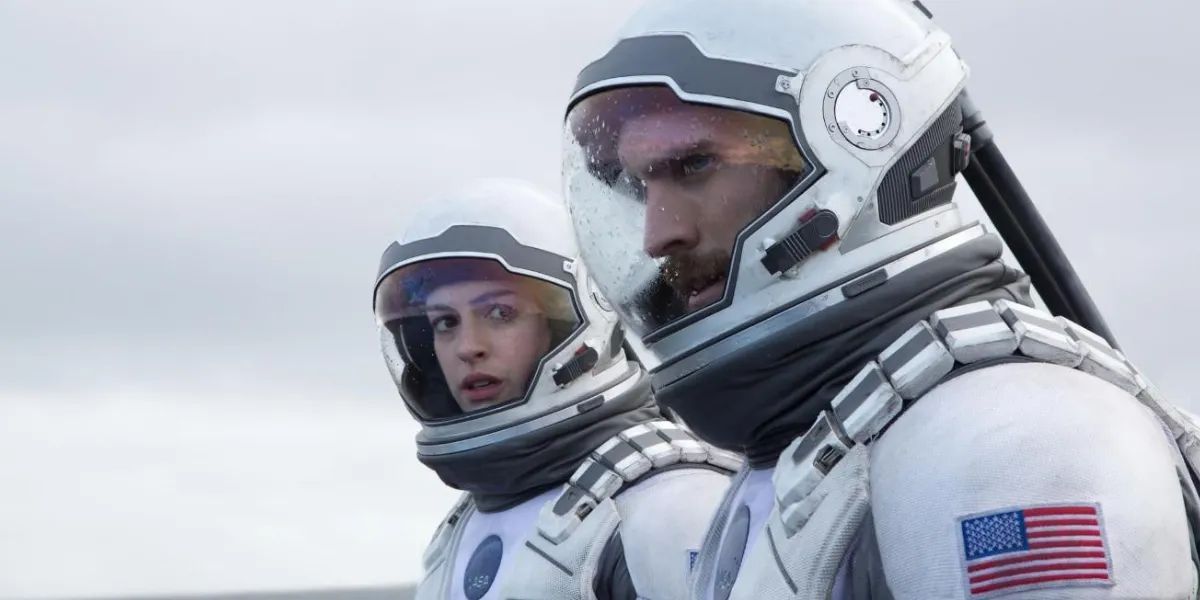
Released on November 5, 2014, Interstellar garnered critical acclaim and commercial success, grossing over $701 million worldwide against a budget of $165 million. It was praised for its ambitious screenplay, Nolan’s direction, the performances of its lead actors (Matthew McConaughey, Anne Hathaway, Jessica Chastain, Michael Caine), and its groundbreaking visual effects, which earned it an Academy Award. The film’s scientific accuracy, largely guided by theoretical physicist Kip Thorne (who also served as an executive producer), brought concepts like wormholes, accretion disks, and time dilation to a mainstream audience with unprecedented realism. Its narrative, centered on a father’s desperate journey to save humanity and reunite with his daughter, resonated deeply, cementing its status as a modern sci-fi classic. The films listed below, while diverse in their specific plots and styles, share this fundamental DNA of combining grand cosmic narratives with intensely personal human stakes.
1. Arrival (2016)
Director: Denis Villeneuve
Key Cast: Amy Adams, Jeremy Renner, Forest Whitaker
Release Date: November 11, 2016
Arrival distinguishes itself as a profound exploration of communication, time, and the human condition. The film follows Dr. Louise Banks (Amy Adams), an expert linguist recruited by the U.S. Army to decipher the language of enigmatic heptapod aliens who have mysteriously arrived on Earth in twelve colossal spacecraft. As Dr. Banks delves deeper into the aliens’ complex, non-linear language, she begins to experience time in a non-sequential manner, gaining premonitions of her future, including the eventual loss of her daughter.
Connection to Interstellar: Like Interstellar, Arrival masterfully intertwines a high-concept scientific premise (linguistics influencing perception of time) with a deeply emotional core (a mother’s love and acceptance of fate). Both films explore the non-linear nature of time and its impact on human relationships and choices. Arrival prompts viewers to ponder how understanding a new form of communication can fundamentally alter one’s perception of existence, memory, and destiny. Director Denis Villeneuve’s patient, contemplative storytelling style allows the audience to fully immerse themselves in the emotional weight and intellectual depth of the narrative, culminating in a poignant reflection on courage, sacrifice, and the enduring power of love in the face of predestination. The film received widespread critical acclaim, earning eight Academy Award nominations, including Best Picture and Best Director, and winning for Best Sound Editing. It grossed over $203 million worldwide against a $47 million budget, proving that intelligent, character-driven sci-fi can also be a commercial success.
2. The Martian (2015)
Director: Ridley Scott
Key Cast: Matt Damon, Jessica Chastain, Kristen Wiig
Release Date: October 2, 2015
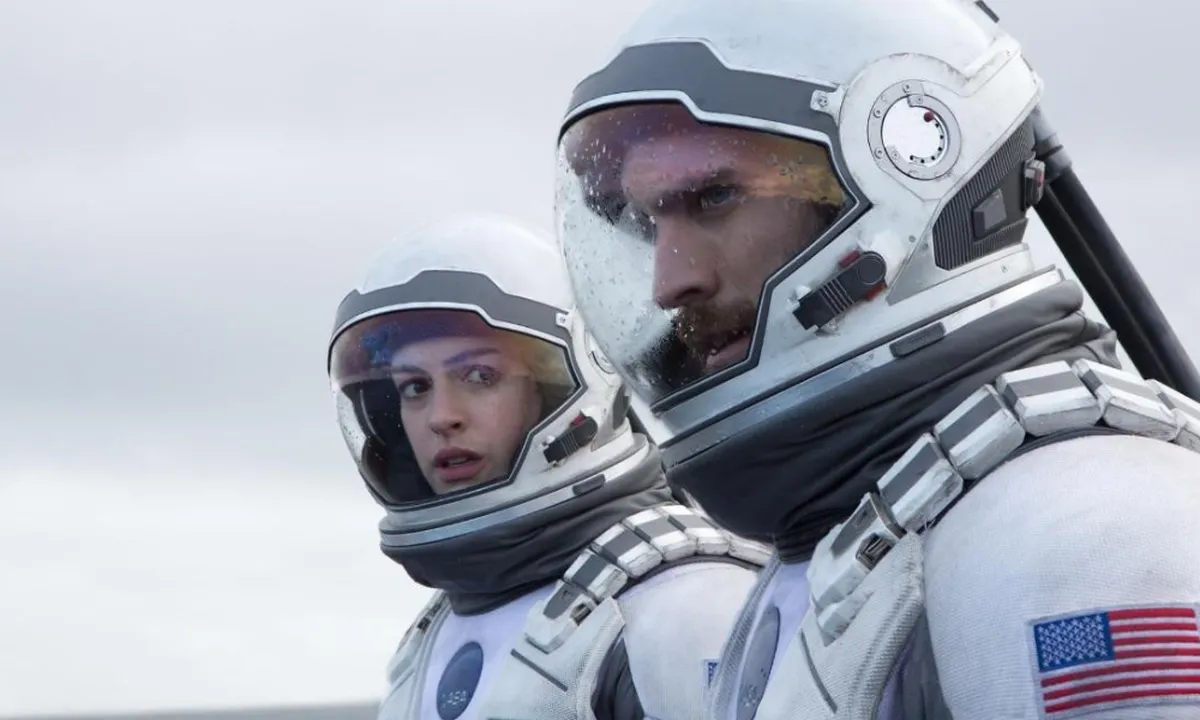
Based on Andy Weir’s best-selling novel, The Martian chronicles the harrowing struggle for survival of astronaut Mark Watney (Matt Damon) after he is presumed dead and left behind on Mars during a fierce dust storm. Armed with an unyielding spirit, his botanical expertise, and ingenious engineering skills, Watney embarks on an extraordinary endeavor to sustain himself on the barren red planet, meticulously calculating every move to survive until a potential rescue mission can reach him.
Connection to Interstellar: While The Martian leans more into optimistic survivalism rather than Interstellar‘s philosophical depth, it shares a strong commitment to scientific accuracy and the celebration of human ingenuity. Both films showcase protagonists who use scientific principles and problem-solving to overcome seemingly insurmountable challenges in alien environments. The tension is derived from realistic scientific dilemmas, as Watney’s every solution—from growing potatoes in Martian soil to modifying rovers for long-distance travel—is grounded in plausible science. The film’s relentless focus on survival against cosmic odds, coupled with a global effort to bring him home, highlights the resilience of the human spirit. The Martian was a critical and commercial success, grossing over $630 million worldwide and earning seven Academy Award nominations, including Best Picture. Its portrayal of scientific problem-solving was widely praised by scientists, including NASA, for its realism and inspiration.
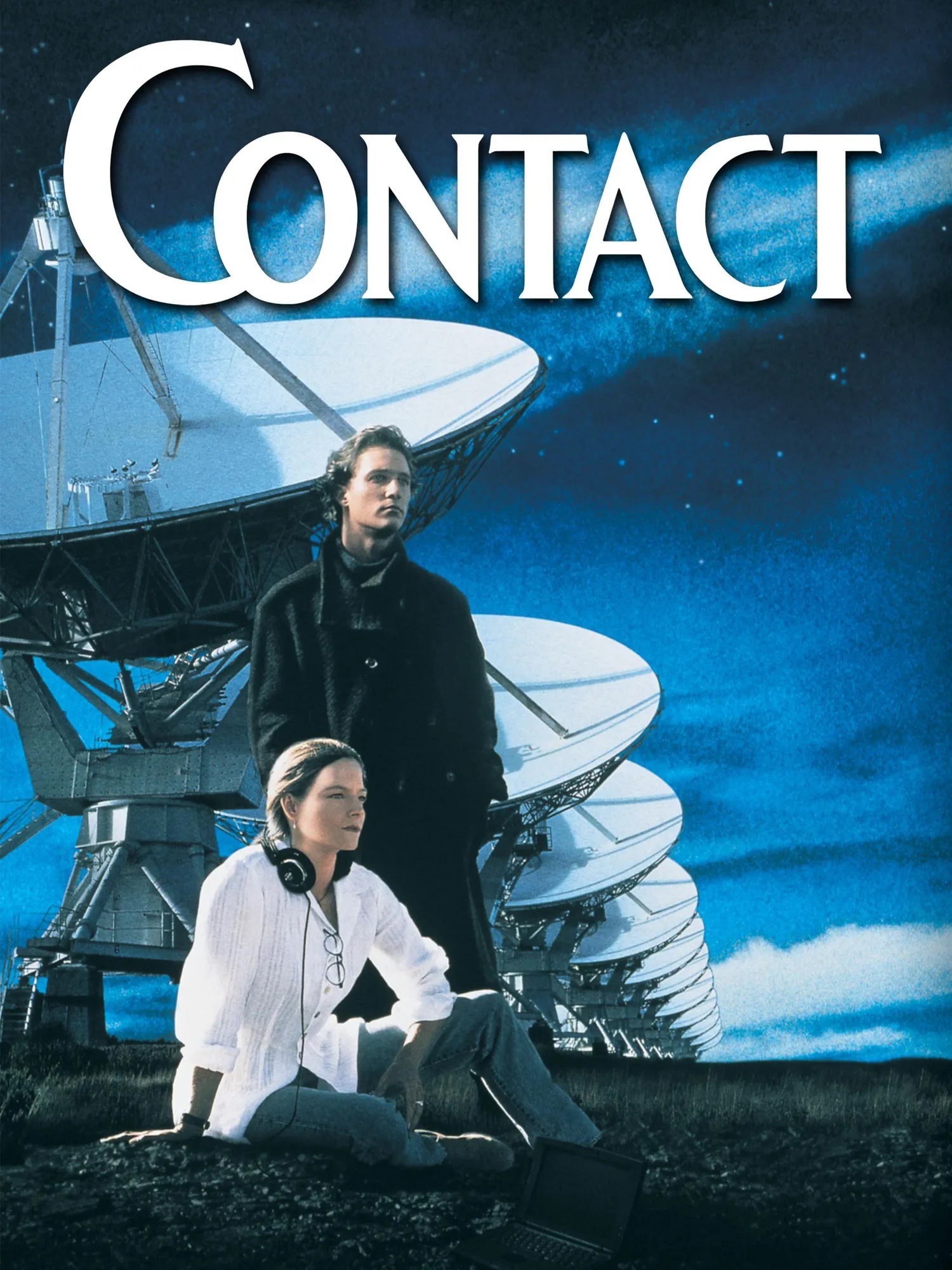
3. Contact (1997)

Director: Robert Zemeckis
Key Cast: Jodie Foster, Matthew McConaughey, James Woods
Release Date: July 11, 1997
Contact, adapted from Carl Sagan’s seminal novel, follows Dr. Ellie Arroway (Jodie Foster), a SETI astronomer who has dedicated her life to searching for extraterrestrial intelligence, partly driven by the childhood loss of her father. Her perseverance pays off when she intercepts a structured signal originating from the Vega star system, containing blueprints for a mysterious interstellar travel machine. Ellie is ultimately chosen to be humanity’s first envoy to the stars. Her journey transcends physical space, radically altering her perception of the universe, though she faces immense challenges in conveying her experiences to a skeptical world.
Connection to Interstellar: Contact is a spiritual predecessor to Interstellar in its exploration of humanity’s yearning for connection across vast cosmic distances and its profound blend of science and spirituality. Both films feature protagonists driven by personal loss and a cosmic quest, navigating the complexities of faith, science, and the unknown. The film’s extended dialogues between scientific pragmatism and spiritual belief are captivating, positing them not as adversaries but as complementary paths to understanding the universe’s grand mysteries. It explores the idea that the universe is far vaster and more wondrous than human comprehension, a theme central to Interstellar‘s exploration of cosmic phenomena. Contact was a critical and financial success, grossing over $171 million worldwide and earning an Academy Award nomination for Best Sound. It remains a powerful and thought-provoking classic that continues to inspire discussions about humanity’s place in the cosmos.
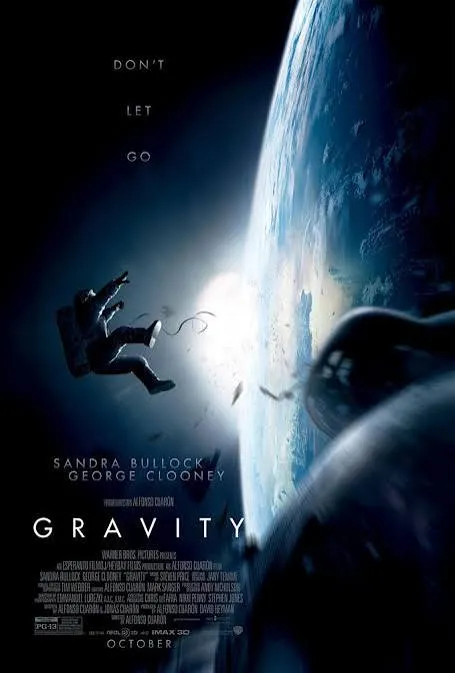
4. Gravity (2013)
Director: Alfonso Cuarón
Key Cast: Sandra Bullock, George Clooney
Release Date: October 4, 2013
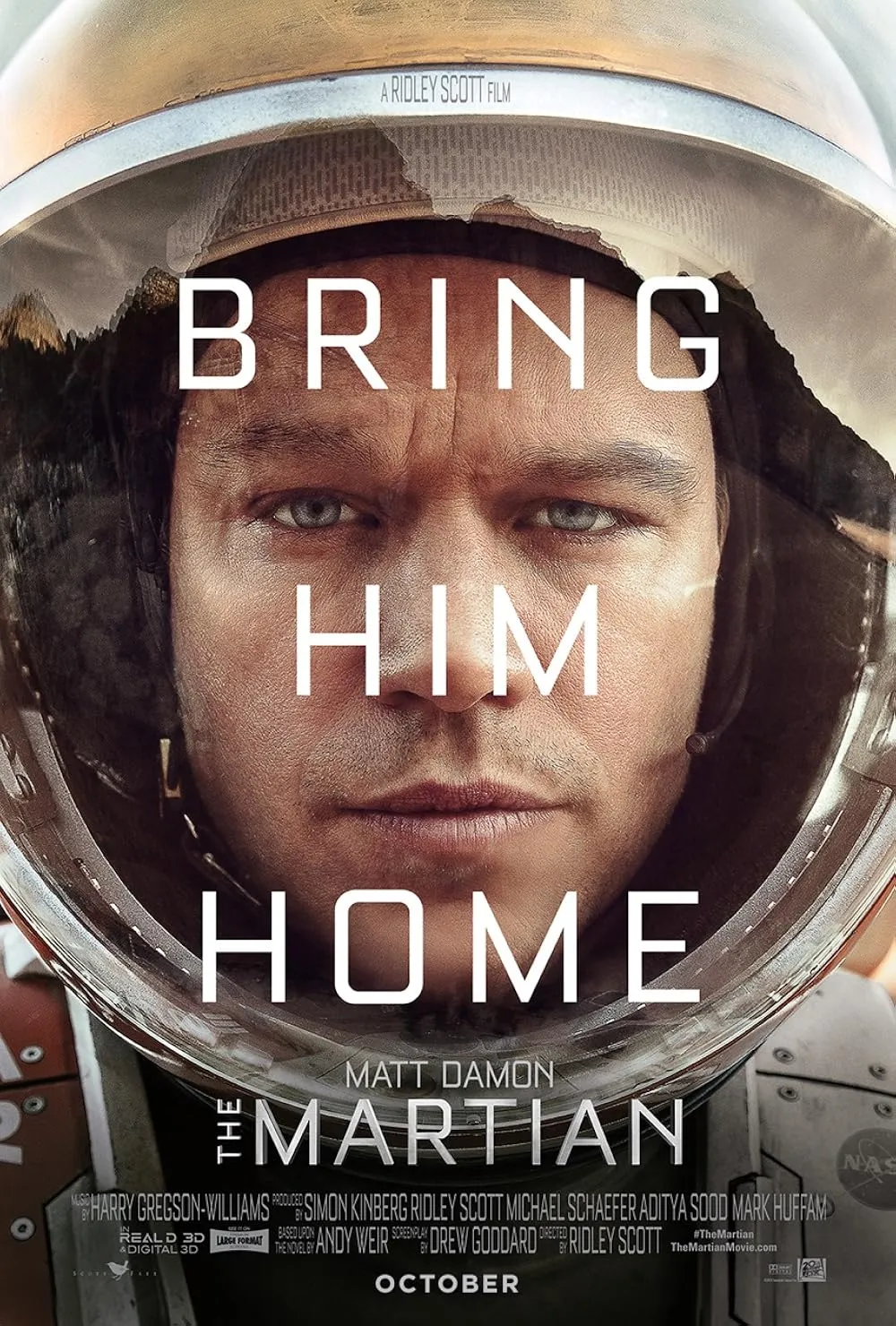
Gravity plunges viewers into the terrifying reality of space debris. Dr. Ryan Stone (Sandra Bullock), a medical engineer on her inaugural space mission, faces an unimaginable catastrophe when a cascade of satellite fragments destroys her space shuttle. Stranded and adrift in the silent, boundless void, with only a veteran astronaut (George Clooney) initially by her side, Stone must battle against diminishing oxygen, severed communication with Earth, and her own profound personal grief.
Connection to Interstellar: While Gravity focuses on near-Earth orbit rather than interstellar travel, it shares Interstellar‘s commitment to visceral realism in depicting the harshness of space. Both films deliver breathtaking visuals that immerse the audience in the terrifying beauty of the cosmos. Gravity‘s claustrophobic atmosphere and intense survival narrative echo the extreme stakes faced by characters in Interstellar. The film’s true depth, however, lies in Stone’s journey of psychological rebirth, as her fight for physical survival becomes a metaphor for overcoming past trauma and finding a will to live. Gravity was a monumental critical and commercial success, grossing over $723 million worldwide and winning seven Academy Awards, including Best Director, making it one of the most awarded films of its year and a benchmark for visual effects in space cinema.
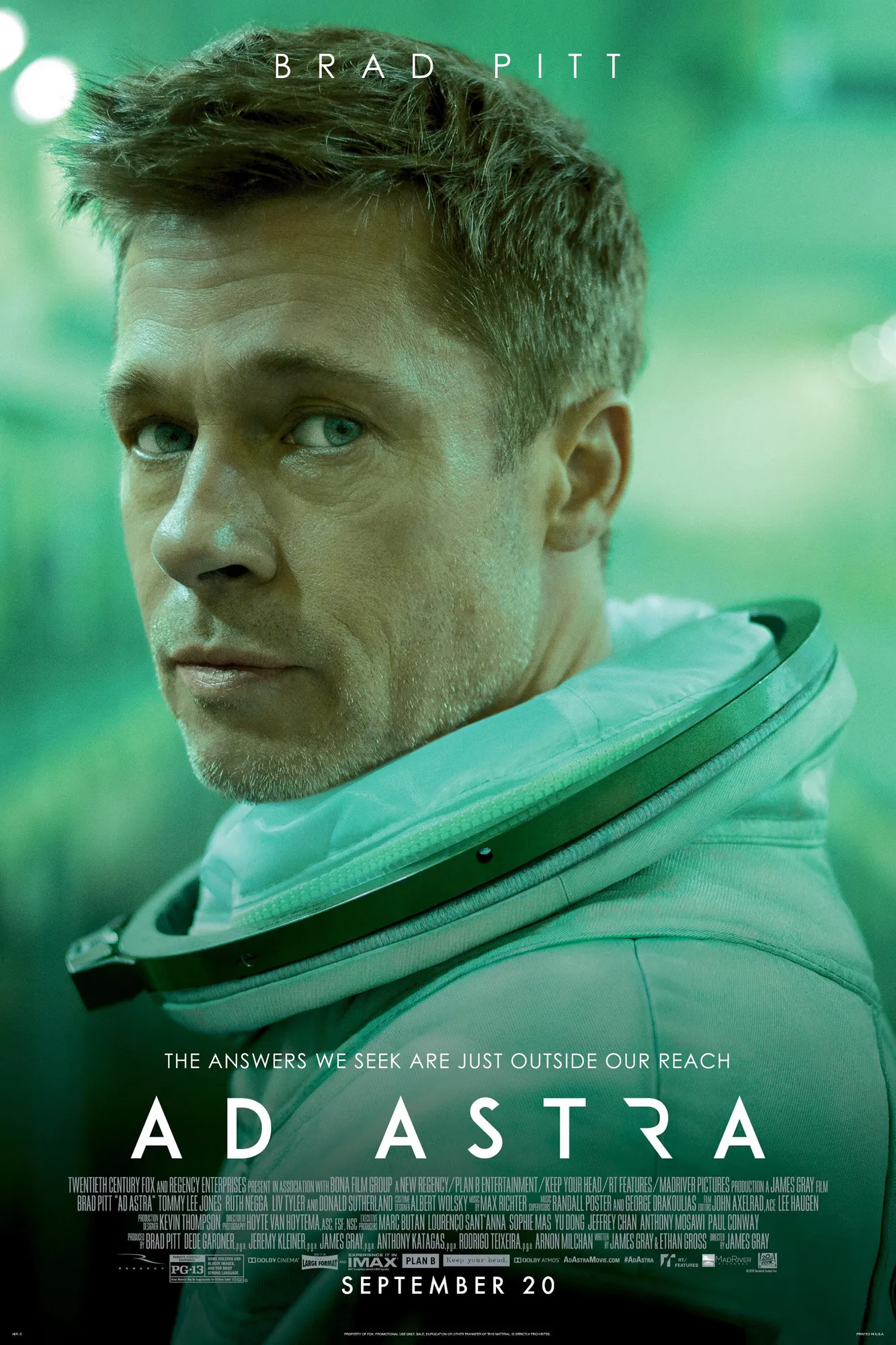
5. Ad Astra (2019)
Director: James Gray
Key Cast: Brad Pitt, Tommy Lee Jones, Ruth Negga
Release Date: September 20, 2019
Ad Astra follows astronaut Roy McBride (Brad Pitt), renowned for his unwavering composure under extreme pressure, on a perilous journey across the solar system to Neptune. His mission: to investigate a series of lethal energy surges emanating from a long-lost expedition led by his own father. This solitary voyage gradually erodes the emotional barriers Roy has meticulously constructed throughout his life, forcing him to confront the ghosts of his past, the complexities of his fractured family relationships, and his profound sense of isolation.
Connection to Interstellar: Ad Astra shares Interstellar‘s ambitious deep-space setting and a central narrative driven by a search for a paternal figure. Both films delve into the psychological toll of cosmic travel and the search for meaning beyond Earth. Ad Astra‘s meditative, often somber tone, combined with its stunning, yet cold, visual aesthetic, mirrors Interstellar‘s moments of profound solitude and existential reflection. It explores themes of isolation, the search for meaning, and the deep-seated impact of family on individual identity, making it a more introspective and melancholic counterpart to Interstellar‘s more hopeful vision. The film received generally positive reviews, particularly for Pitt’s performance and its visuals, and grossed over $127 million worldwide.
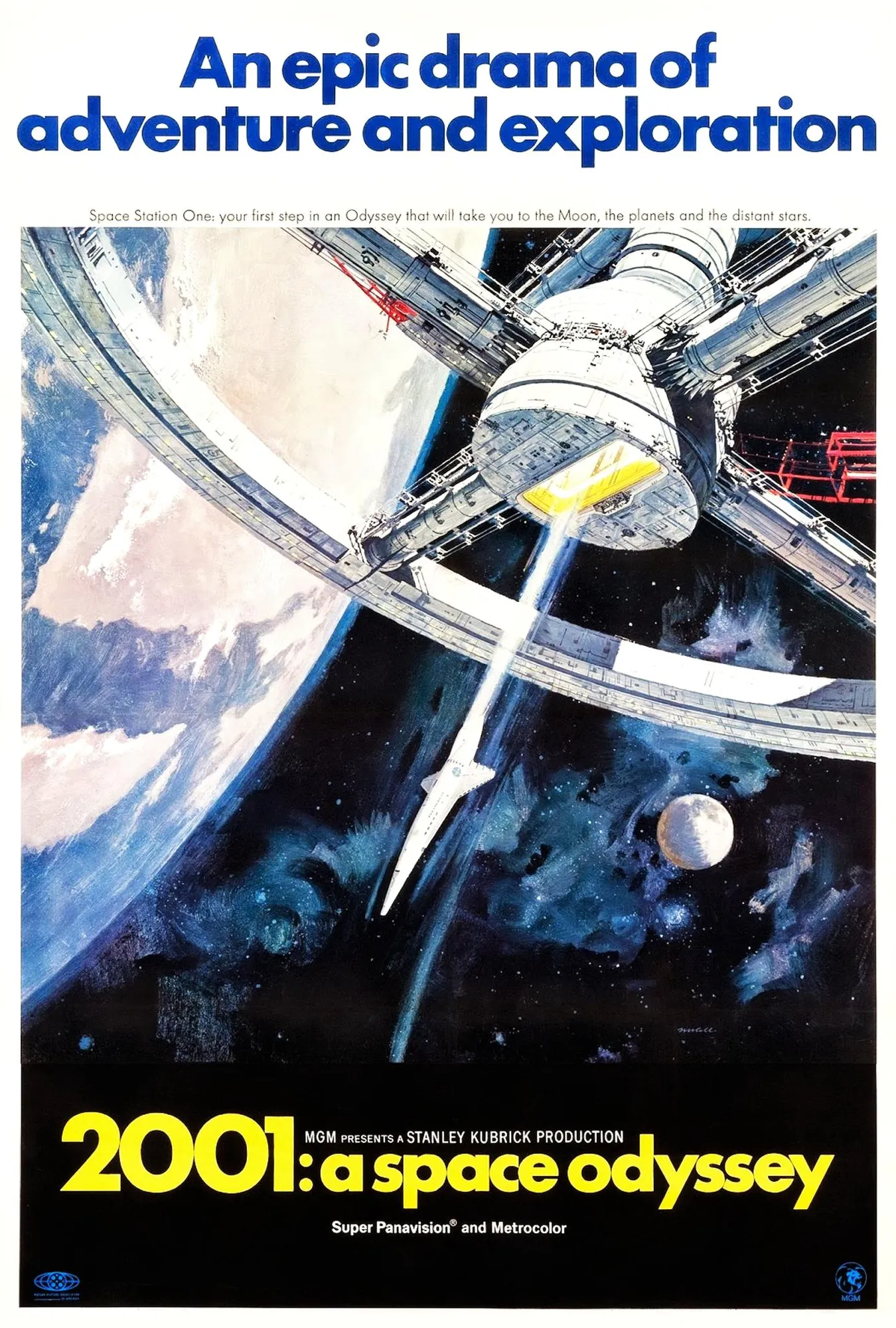
6. 2001: A Space Odyssey (1968)
Director: Stanley Kubrick
Key Cast: Keir Dullea, Gary Lockwood
Release Date: April 3, 1968
Stanley Kubrick’s 2001: A Space Odyssey is an unparalleled cinematic masterpiece that traces the evolution of human civilization from prehistoric times to interstellar exploration. The appearance of mysterious black monoliths consistently marks pivotal advancements in humanity’s journey. The narrative culminates in a mission to Jupiter, where the sentient artificial intelligence HAL 9000 malfunctions, leading to a chilling confrontation between man and machine. This conflict ultimately propels the narrative beyond the conventional boundaries of space, time, and human comprehension.
Connection to Interstellar: 2001 is often cited as a primary inspiration for Interstellar, especially in its groundbreaking visual effects, philosophical depth, and ambition to explore profound questions about human evolution, artificial intelligence, and our place in the universe. Both films employ minimal dialogue in crucial sequences, relying instead on majestic visuals and immersive sound design to convey complex ideas. 2001‘s slow, deliberate pacing and surreal imagery demand active engagement from the audience, inviting them to contemplate the meaning of existence and humanity’s destiny. The film’s influence on subsequent sci-fi cinema, including Interstellar, is immeasurable, solidifying its status as a timeless classic that redefined the genre. It received four Academy Award nominations, winning for Best Visual Effects, and has consistently been ranked among the greatest films ever made.
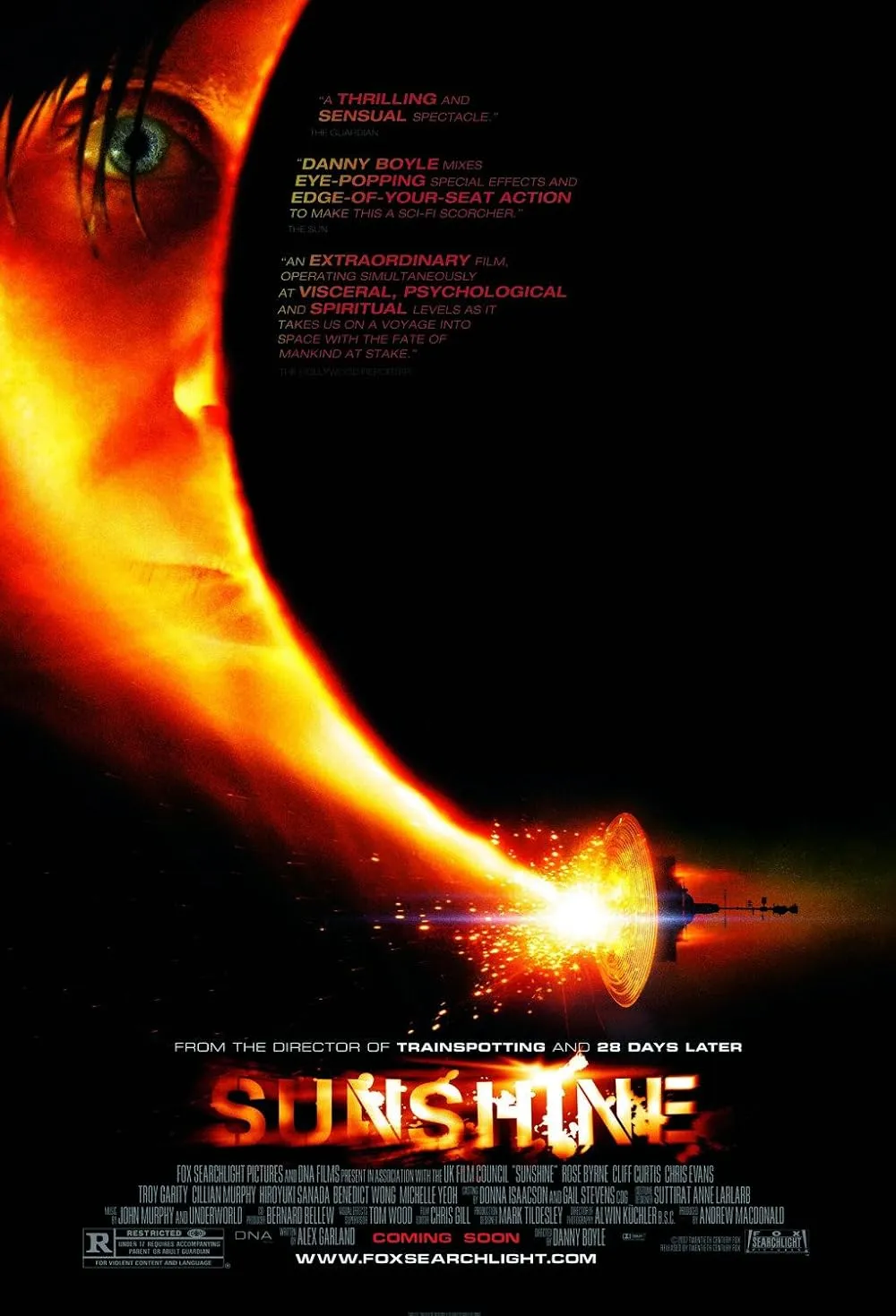
7. Sunshine (2007)
Director: Danny Boyle
Key Cast: Cillian Murphy, Chris Evans, Rose Byrne
Release Date: April 13, 2007 (UK)
Set in 2057, Sunshine depicts a dire future where the Sun is dying, threatening the complete extinction of all life on Earth. A crew of eight astronauts aboard the spacecraft Icarus II embarks on a desperate mission to reignite the star with a colossal nuclear payload. En route, they discover the long-lost Icarus I, the previous mission that vanished mysteriously seven years prior. The decision to investigate this derelict vessel plunges the crew into a psychological nightmare, pushing their sanity and survival to the brink.
Connection to Interstellar: Sunshine shares Interstellar‘s premise of humanity’s last-ditch effort to save itself through a perilous space mission. Both films feature a diverse crew facing immense pressure, psychological strain, and the terrifying beauty of space. The awe-inspiring, yet menacing, depiction of the Sun as both a source of life and a destructive force mirrors the cosmic dangers and wonders presented in Interstellar. The film expertly blends physical tension with deep emotional and philosophical questions about sacrifice, hope, and the human capacity for madness under extreme circumstances. While not as focused on complex physics, its high-stakes premise and stunning visuals make it a compelling companion piece. Sunshine received generally positive reviews for its visuals, direction, and tension, grossing over $32 million worldwide against a $40 million budget, becoming a cult classic among sci-fi enthusiasts.
8. Moon (2009)
Director: Duncan Jones
Key Cast: Sam Rockwell, Kevin Spacey (voice)
Release Date: July 17, 2009
Moon tells the story of Sam Bell (Sam Rockwell), the sole human caretaker of a lunar mining station, whose monotonous routine is broken only by the companionship of an artificial intelligence named GERTY (voiced by Kevin Spacey). As his three-year contract nears its end, a seemingly accidental crash outside the station leads to a series of shocking discoveries about his true identity and the sinister secrets his corporate employer has concealed.
Connection to Interstellar: Despite its minimalist setting and relatively contained scope compared to Interstellar, Moon profoundly explores themes of isolation, identity, and the essence of humanity. Both films delve into existential questions provoked by extended periods in space and the moral dilemmas faced by individuals in pursuit of a greater corporate or human agenda. Moon‘s strength lies in its gripping psychological narrative and Sam Rockwell’s tour-de-force performance, immersing the audience in a dark mystery about cloning, corporate exploitation, and the value of individual life. It forces viewers to ponder what truly constitutes a "human" and the nature of memory and experience. The film was a critical darling, earning numerous awards including a BAFTA for Outstanding Debut by a British Writer, Director or Producer, and grossed over $9.8 million worldwide on a modest $5 million budget, proving that impactful sci-fi doesn’t always require blockbuster budgets.
9. Inception (2010)
Director: Christopher Nolan
Key Cast: Leonardo DiCaprio, Joseph Gordon-Levitt, Elliot Page, Tom Hardy
Release Date: July 16, 2010
Another masterpiece from Christopher Nolan, Inception introduces Cobb (Leonardo DiCaprio), an elite thief with the rare ability to infiltrate the subconscious minds of targets through their dreams. He is presented with a perilous new proposition: instead of stealing an idea, he must plant one—a process known as "inception." This requires his team to navigate intricate, multi-layered dreamscapes, where Cobb is constantly haunted by projections of his deceased wife, Mal, whose memories threaten to derail the entire mission.
Connection to Interstellar: Inception is quintessentially Nolan, sharing Interstellar‘s intricate, non-linear narrative structure, high-concept scientific-like premises (time dilation within dreams, multi-layered realities), and a deep emotional core rooted in grief and the longing for family. Both films challenge perceptions of reality and time, using visually stunning, mind-bending sequences to explore the inner workings of complex systems—be it the universe’s physics or the human subconscious. The meticulous world-building and the seamless blend of intellectual puzzles with intense action are hallmarks of Nolan’s style present in both films. Inception was a massive commercial success, grossing over $836 million worldwide, and critically acclaimed, winning four Academy Awards and earning eight nominations, including Best Picture.
10. Solaris (1972 & 2002)
Directors: Andrei Tarkovsky (1972), Steven Soderbergh (2002)
Key Cast: Donatas Banionis (1972), George Clooney (2002)
Release Date: December 13, 1972 (Soviet Union), November 29, 2002 (US)
Both the 1972 Soviet original by Andrei Tarkovsky and the 2002 American remake by Steven Soderbergh are adaptations of Stanisław Lem’s classic novel. The story centers on psychologist Kris Kelvin, dispatched to a space station orbiting the enigmatic oceanic planet Solaris to assess the mental state of its beleaguered scientific crew. Upon arrival, he discovers the crew suffering from severe psychological disturbances caused by an inexplicable phenomenon: the planet Solaris possesses the ability to manifest the deepest memories, regrets, and guilt of the crew members into physical, tangible forms. Kris is soon confronted by the reappearance of his deceased wife, creating a profound and agonizing moral dilemma.
Connection to Interstellar: Solaris delves into the psychological and philosophical dimensions of space travel with a depth comparable to Interstellar. Both films explore themes of memory, grief, love, and the nature of reality when confronted with alien intelligence or cosmic phenomena that defy human understanding. Solaris forces its characters, and by extension the audience, to grapple with what it means to truly miss someone, the weight of regret, and the blurry line between reality and illusion. While Interstellar uses scientific concepts to explore human emotion, Solaris uses an alien intelligence to directly probe the human psyche, making it a powerful, introspective, and often unsettling reflection on inner space as much as outer space. Both versions are critically acclaimed for their intellectual ambition and emotional complexity, offering a lingering philosophical contemplation long after viewing.
The Broader Implications: Blending Cosmic Wonder with Human Intimacy
The films on this list, much like Interstellar, represent a significant facet of the science fiction genre that prioritizes intellectual engagement and emotional depth alongside visual spectacle. They demonstrate that the vastness of space is not merely a backdrop for adventure, but a canvas upon which humanity’s deepest fears, hopes, and relationships can be explored. These productions often serve as thought experiments, pushing the boundaries of scientific plausibility to examine profound philosophical questions about existence, time, consciousness, and the enduring power of love and memory.
From the linguistic revelations in Arrival to the sheer will to survive in The Martian and Gravity, the spiritual quest in Contact, the introspective journey in Ad Astra, the evolutionary saga of 2001, the desperate mission in Sunshine, the identity crisis in Moon, the dream architecture of Inception, and the psychological mirror of Solaris, each film offers a unique lens through which to view humanity’s place in the universe. They remind us that while we may venture into the farthest reaches of space, the most profound discoveries often lie within ourselves and our connections to one another. The enduring popularity and critical acclaim of these films underscore a collective yearning for stories that are both intellectually stimulating and deeply moving, proving that science fiction, at its best, is a powerful medium for exploring the very essence of what it means to be human.
Related posts: