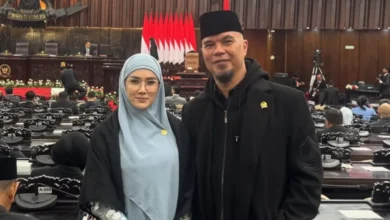
The ongoing legal proceedings between prominent Indonesian celebrity figures Sarwendah and Ruben Onsu have taken a significant turn during a closed-door session at the South Jakarta District Court. On Wednesday, October 28, 2026, the legal team representing Sarwendah successfully defended the admissibility of a contentious piece of digital evidence—a recorded video call featuring Ruben Onsu interacting with an unidentified male individual—within the framework of an ongoing child custody battle. Despite formal objections raised by Ruben Onsu’s legal representatives inside the courtroom, the presiding panel of judges ultimately ruled that the digital evidence is legally permissible. This decision marks a critical procedural milestone in a high-profile domestic legal dispute that has consistently drawn intense public and media scrutiny across Indonesia.
The controversy centers around a leaked video call that previously circulated widely across various social media platforms, sparking intense public debate and numerous speculative opinions regarding the private lives of the prominent public figures. During the Wednesday court session, the legality of how this digital artifact was acquired became a central point of contention. Abraham Simon, one of Sarwendah’s primary legal counsels, addressed the media outside the courtroom following the adjournment, confirming that the defense successfully navigated the objections raised by the opposing counsel. According to Simon, the court recognized the validity of the submission because the defense secured explicit authorization from one of the active participants involved in the recorded conversation. Consequently, the legal team asserted that the acquisition of the video did not breach any privacy laws or statutory regulations governing electronic evidence in Indonesia.
Furthermore, the legal team underscored that the integrity of the digital file has been thoroughly verified by qualified technical experts prior to its submission to the judiciary. Chris Sam Siwu, another key attorney representing Sarwendah, elaborated on the procedural dynamics that transpired before the judges made their final determination. He explained that while the opposing legal team strongly contested the introduction of the video call, the presiding judges instructed them to formally document their objections and grievances during the upcoming conclusion phase of the trial. Crucially, the bench did not find any substantive legal grounds to reject the evidence outright at this stage of the proceedings, determining that the submission complied with basic evidentiary standards for civil litigation involving family law and child custody determinations in the jurisdiction of South Jakarta.
Addressing persistent rumors and commentary circulating in various public forums and digital spaces, Abraham Simon firmly repudiated allegations that the evidence was obtained through unlawful or illicit means. He reiterated that every single piece of documentation and digital media presented by Sarwendah’s legal camp has been meticulously vetted to ensure strict adherence to prevailing Indonesian laws, specifically relevant statutes pertaining to electronic information and transactions, as well as criminal and civil procedural codes. The legal representatives emphasized that professional standards were strictly maintained throughout the evidence-gathering process, insulating their client from potential legal repercussions concerning data privacy violations or illegal wiretapping claims brought forward by opposing factions.
Background Context of the Celebrity Legal Dispute

To fully comprehend the gravity of the recent evidentiary ruling, it is essential to examine the broader historical context of the relationship and subsequent separation between Ruben Onsu and Sarwendah. Once regarded as one of the most harmonious and admired power couples within the Indonesian entertainment industry, their marriage became subject to intense public speculation following a series of noticeable changes in their public appearances and social media interactions. The dissolution of their marital bond involved a series of legal filings, negotiations, and subsequent court hearings aimed at untangling not only their marital status but also crucial matters concerning asset division and, most importantly, the welfare, care, and custody of their children.
Child custody battles involving high-net-worth public figures in Indonesia frequently attract unprecedented levels of media attention, often amplifying the emotional and psychological toll on the families involved. In cases where public scrutiny intersects with private family law, the courts face the delicate task of balancing transparency with the protection of minors. The introduction of digital evidence, such as text messages, audio recordings, and video calls, has become increasingly common in contemporary Indonesian family law courts. However, the admissibility of such digital footprints often hinges on strict compliance with the Electronic Information and Transactions (ITE) Law and procedural rules regarding the right to privacy and the prevention of illegal electronic surveillance.
Chronology of the Evidentiary Dispute and Courtroom Dynamics
The chronology leading up to the October 28, 2026 ruling highlights the meticulous and often contentious nature of modern legal strategy in high-profile celebrity divorces. The timeline of key events surrounding the disputed video evidence unfolds across several distinct phases:
- Initial Digital Leak: Weeks prior to the court session, a video call featuring Ruben Onsu and an unidentified male individual unexpectedly surfaced online, rapidly viralizing across multiple social media platforms and generating widespread public speculation.
- Forensic Verification: Recognizing the potential legal relevance of the digital material to the child custody proceedings, Sarwendah’s legal team commissioned independent technical experts to authenticate the video file, ensuring it was free from digital manipulation, deepfake alterations, or context distortion.
- Securing Consent: Legal representatives formally acquired authorization from one of the active participants in the recorded conversation, establishing a legal basis for possession under specific statutory interpretations regarding participant consent in private communications.
- Courtroom Presentation (October 28, 2026): During the scheduled child custody hearing at the South Jakarta District Court, Sarwendah’s attorneys formally submitted the verified video call as an exhibit.
- Legal Objection and Judicial Ruling: Ruben Onsu’s legal counsel immediately raised formal objections, challenging both the authenticity and the legality of how the evidence was procured. Following a deliberation on procedural standards, the presiding judges permitted the submission, directing the opposing party to incorporate their formal grievances into the upcoming written conclusion arguments.
Official Responses and Legal Stance from Counsel
Throughout the proceedings, the legal representatives for Sarwendah have maintained a disciplined and calculated public relations strategy, balancing transparency with discretion regarding the sensitive nature of the case. When pressed by journalists regarding the specific behavioral actions or statements made by Ruben Onsu within the disputed video, Chris Sam Siwu deliberately redirected the conversation away from sensationalism. He firmly stated that his legal focus remains strictly anchored on the procedural validity of the evidence and the consent granted by the primary interlocutor in the video, rather than engaging in public character assassination or moral judgment regarding Ruben Onsu’s personal conduct.
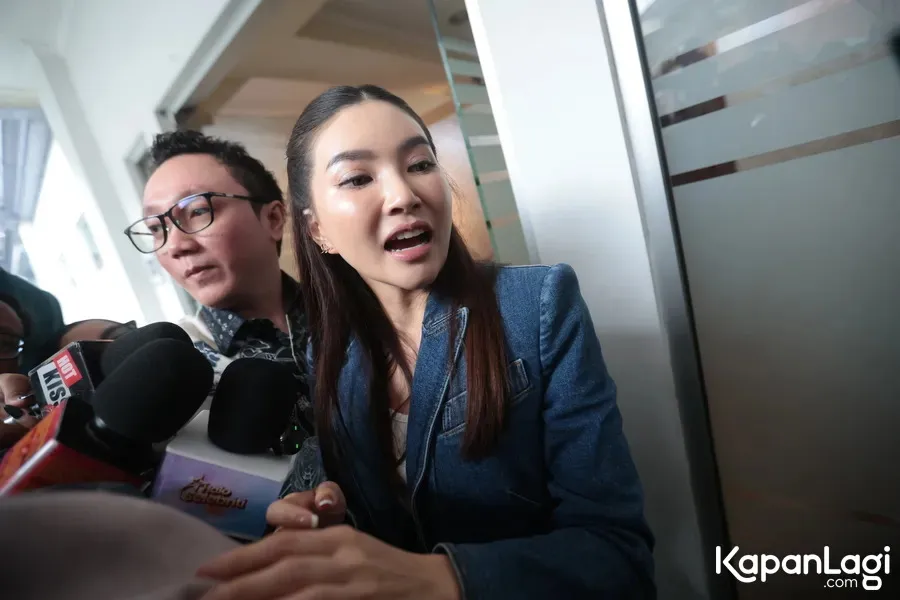
Similarly, Abraham Simon emphasized that the rationale behind the judges’ acceptance of the evidence rests entirely within the autonomous domain of judicial discretion. When reporters asked for a detailed breakdown of the specific legal doctrines the judges utilized to reach their decision, Simon maintained that such inquiries must be directed solely to the judicial bench, as legal practitioners operate within the framework of advocacy while judges maintain independent authority over evidentiary evaluation. This measured approach reflects an awareness of the legal sensitivities governing closed-door family court sessions, where public dissemination of intimate details can result in judicial reprimands or collateral legal challenges.
Broader Implications for Family Law and Digital Evidence in Indonesia
The South Jakarta District Court’s acceptance of the video call evidence in the Sarwendah and Ruben Onsu custody case carries significant broader implications for the future handling of digital evidence in Indonesian family law jurisprudence. As smartphones and digital communication platforms become ubiquitous, the line between private correspondence and admissible legal evidence in domestic disputes has grown increasingly porous. Courts across Indonesia are frequently forced to navigate complex legal gray areas concerning the privacy rights of individuals versus the paramount legal principle of the "best interests of the child" in custody adjudications.
In child custody cases, the moral fitness, lifestyle, and behavioral patterns of contesting parents often form the bedrock of legal arguments. Consequently, the admissibility of digital recordings—whether obtained via screen captures, application logs, or recorded video interactions—serves as a crucial battleground for legal teams seeking to establish leverage. By ruling that the evidence is admissible provided it satisfies authenticity tests and participant-consent thresholds, the court has signaled a pragmatic approach to digital-era litigation. However, legal experts caution that while such evidence may be admitted into the trial record, the actual evidentiary weight or persuasive value assigned to it by the judges during final deliberation remains entirely separate and subject to rigorous judicial scrutiny.
As the legal battle between Sarwendah and Ruben Onsu progresses toward its eventual conclusion phase, both legal camps are expected to file their comprehensive written arguments synthesizing the months of testimony, expert evaluations, and admitted exhibits. The ultimate decision rendered by the South Jakarta District Court regarding child custody will not only shape the future dynamic for the individuals directly involved but will also serve as a notable reference point for practitioners navigating the intricate intersection of digital privacy, celebrity privacy rights, and family law in modern Indonesia.