Al Ghazali’s Heartwarming National Children’s Day Tribute Featuring Baby Soso Sparks Widespread Public Adoration.

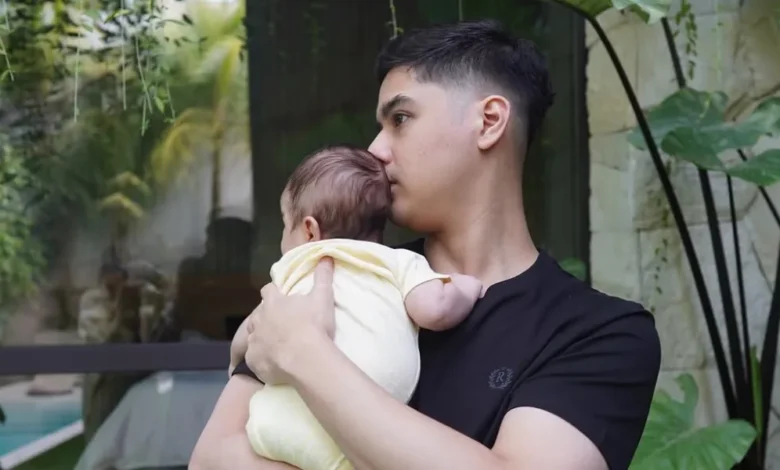
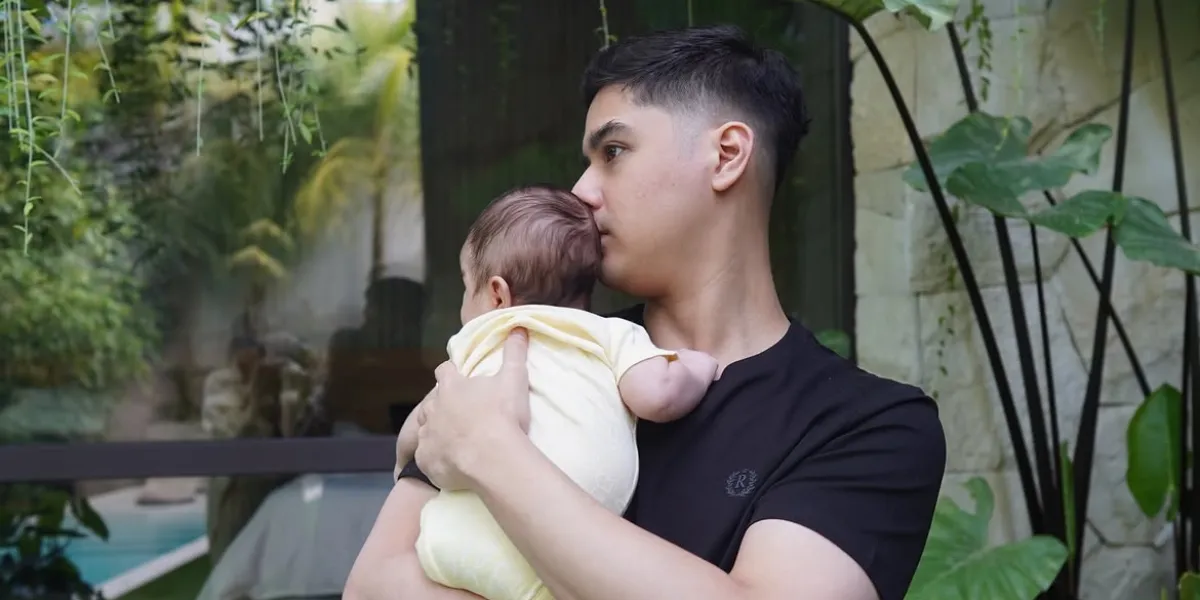
On July 24, 2026, Indonesian public figure Al Ghazali, the eldest son of renowned musician Ahmad Dhani, captured national attention by sharing intimate new photographs of his infant, Baby Soso, on social media. The post, commemorating National Children’s Day which is observed annually on July 23, swiftly became a focal point of online discussion, drawing an outpouring of affectionate responses from netizens. Despite maintaining the ongoing decision to conceal Baby Soso’s face from public view, the collection of images, particularly one depicting Al Ghazali tenderly kissing his child’s foot, resonated deeply with his followers, illustrating a poignant moment of paternal affection.
The Significance of National Children’s Day in Indonesia
National Children’s Day, or Hari Anak Nasional (HAN), is a pivotal observance in Indonesia, dedicated to celebrating the rights, welfare, and protection of children across the archipelago. Instituted on July 23, 1984, by Presidential Decree No. 44 of 1984, the day aims to underscore the nation’s commitment to nurturing its younger generation and ensuring a safe, healthy, and conducive environment for their growth and development. The choice of July 23 is significant as it coincides with the date the United Nations Convention on the Rights of the Child was adopted by Indonesia, reflecting a global alignment with child welfare principles.
Each year, HAN is marked by a diverse array of activities organized by government agencies, non-governmental organizations, educational institutions, and communities. These initiatives typically include educational workshops, health screenings, cultural performances, and advocacy campaigns focused on issues such as child protection from violence and exploitation, access to quality education, proper nutrition, and the right to play. The overarching theme often revolves around fostering a sense of national pride and responsibility towards children, recognizing them as the future leaders and inheritors of the nation. Public figures, including celebrities like Al Ghazali, frequently leverage their platforms on this day to join the chorus of voices advocating for children’s rights, thereby amplifying the message to a wider audience and contributing to public awareness.
Al Ghazali’s Tender Social Media Post and Public Reception
Al Ghazali’s social media update, posted just a day after the official observance of HAN, served as a personal yet powerful tribute to the spirit of the day. The series of photographs provided a rare glimpse into his private life as a father, a role he appears to embrace with profound affection. The accompanying caption, a simple yet resonant, "Selamat hari anak nasional," meaning "Happy National Children’s Day," conveyed his sentiment without elaborate embellishment, allowing the images to speak volumes.
The decision to share these particular moments, while still withholding Baby Soso’s full facial identity, highlights a common dichotomy faced by celebrity parents: the desire to share joyous personal milestones with fans versus the imperative to protect their child’s privacy and right to a normal upbringing. This practice, often seen among high-profile individuals globally, allows for a controlled narrative, fostering connection with fans while maintaining boundaries. Despite the obscured face, the sheer tenderness captured in the photographs, particularly the one where Al Ghazali is seen gently kissing Baby Soso’s foot, elicited an overwhelming response. Netizens flooded the comments section with expressions of delight, using terms like "gemas" (adorable/cute) and praising the heartwarming display of fatherly love. This immediate and widespread positive reaction underscores the strong emotional connection fans often feel with their idols, extending to their family lives.
The Enduring Mystery of Baby Soso’s Identity and Celebrity Parenting Trends
Since the initial announcement of Baby Soso’s arrival, Al Ghazali and his partner have maintained a consistent approach to their child’s public image: sharing glimpses without full disclosure of the face. This strategy is not unique within the celebrity sphere. Many public figures choose to shield their children from the intense media scrutiny and public gaze that often accompanies a high-profile upbringing, at least during their formative years. The reasons are multifaceted, ranging from a desire to afford the child a semblance of normalcy, to concerns about online safety and privacy, and even to artistic choices in how and when to reveal such personal details.
This trend reflects an evolving understanding of celebrity parenthood in the digital age. While fans crave intimacy and behind-the-scenes access, there’s also a growing public discourse around the ethical implications of exposing minors to constant public scrutiny without their consent. For celebrities, managing this balance becomes a delicate act of public relations and personal boundary setting. The gradual revelation, or selective sharing, allows them to control the narrative, build anticipation, and maintain a certain mystique around their family life, all while engaging their fanbase. Baby Soso’s situation exemplifies this contemporary approach, where partial visibility generates significant interest without fully sacrificing privacy.
Al Ghazali’s Journey: From Scion to Father
Al Ghazali Kohler, born on August 19, 1997, has carved out a significant career in the Indonesian entertainment industry, following in the illustrious footsteps of his parents, Ahmad Dhani and Maia Estianty, both legendary figures in Indonesian music. From a young age, Al Ghazali, alongside his brothers El Rumi and Dul Jaelani, was exposed to the world of music, famously forming the band The Lucky Laki. Over the years, he has diversified his portfolio, establishing himself as a prominent DJ, actor, and solo musician. His public life has been well-documented, from his early career successes to his high-profile relationships.
The transition to fatherhood marks a significant new chapter in Al Ghazali’s life. For many public figures, becoming a parent often brings a shift in public perception, frequently softening their image and making them more relatable to a broader audience. The candidness, albeit controlled, of his posts about Baby Soso suggests a profound personal transformation, moving beyond his youthful image to embrace the responsibilities and joys of fatherhood. This personal evolution not only endears him further to his existing fanbase but also potentially attracts new admirers who appreciate his dedication to family values. The public’s enthusiastic response to his photos reflects a collective appreciation for this personal growth and the universal appeal of parental love.
The Broader Impact: Celebrity Influence on Family Values and Child Welfare Discourse
The actions of public figures like Al Ghazali on platforms such as Instagram wield considerable influence, extending beyond mere entertainment. When a celebrity shares moments celebrating National Children’s Day, even in a personal capacity, it inadvertently elevates the visibility and importance of the event. Such posts can serve as a gentle reminder to millions of followers about the significance of children’s rights and welfare, potentially sparking conversations within families and communities about these crucial issues.
In a society increasingly shaped by digital interactions, celebrities act as cultural touchstones. Their portrayal of family life, particularly moments of genuine affection and care, can reinforce positive societal values related to parenting, family bonds, and the importance of cherishing children. While Al Ghazali’s post was a personal expression, its public nature transforms it into a form of soft advocacy, subtly promoting the ideals of National Children’s Day. It helps normalize and celebrate overt displays of paternal affection, which can be particularly impactful in cultures where emotional expression might traditionally be more reserved. This ripple effect contributes to a broader societal discourse on child-rearing practices and the collective responsibility towards the younger generation.
Navigating Privacy and Public Interest in the Digital Age
The phenomenon surrounding Baby Soso’s public appearances also brings to the fore complex questions regarding privacy and public interest in the digital age. While celebrities undeniably benefit from public attention, their children do not choose a life in the spotlight. This raises ethical considerations about the extent to which a child’s image and identity should be shared online. The strategy employed by Al Ghazali and many other celebrity parents – sharing curated glimpses without full facial disclosure – represents a compromise. It acknowledges the public’s interest while attempting to safeguard the child’s autonomy and future privacy.
From a public relations perspective, this controlled approach can be highly effective. It creates a narrative of protective parenting, which often resonates positively with the audience. Simultaneously, it maintains an element of intrigue, ensuring continued media and fan engagement. However, the long-term implications for children growing up with a partial digital footprint, where their identity is known but their face is not, remain an evolving area of study. As technology advances and social media platforms continue to shape public interaction, the delicate balance between a celebrity’s right to share and a child’s right to privacy will undoubtedly continue to be a subject of ongoing debate and adaptation.
Conclusion: A Moment of Affection Amplified Nationally
Al Ghazali’s National Children’s Day tribute featuring Baby Soso is more than just a celebrity social media post; it is a resonant moment that encapsulates several contemporary themes: the universal appeal of parental love, the evolving dynamics of celebrity culture in the digital age, and the subtle yet powerful influence of public figures in promoting national observances. By sharing a tender, personal moment with his child, Al Ghazali not only connected with his vast fanbase on an emotional level but also inadvertently contributed to the broader conversation surrounding National Children’s Day, reminding the nation of its collective responsibility towards its youth. The overwhelming public reaction, filled with expressions of adoration, solidifies the notion that even in an increasingly complex digital world, the simple, heartfelt gestures of family affection continue to captivate and unite audiences. As Baby Soso grows, the public will undoubtedly continue to follow their journey, a testament to the enduring power of celebrity and the timeless appeal of family.
Related posts: