
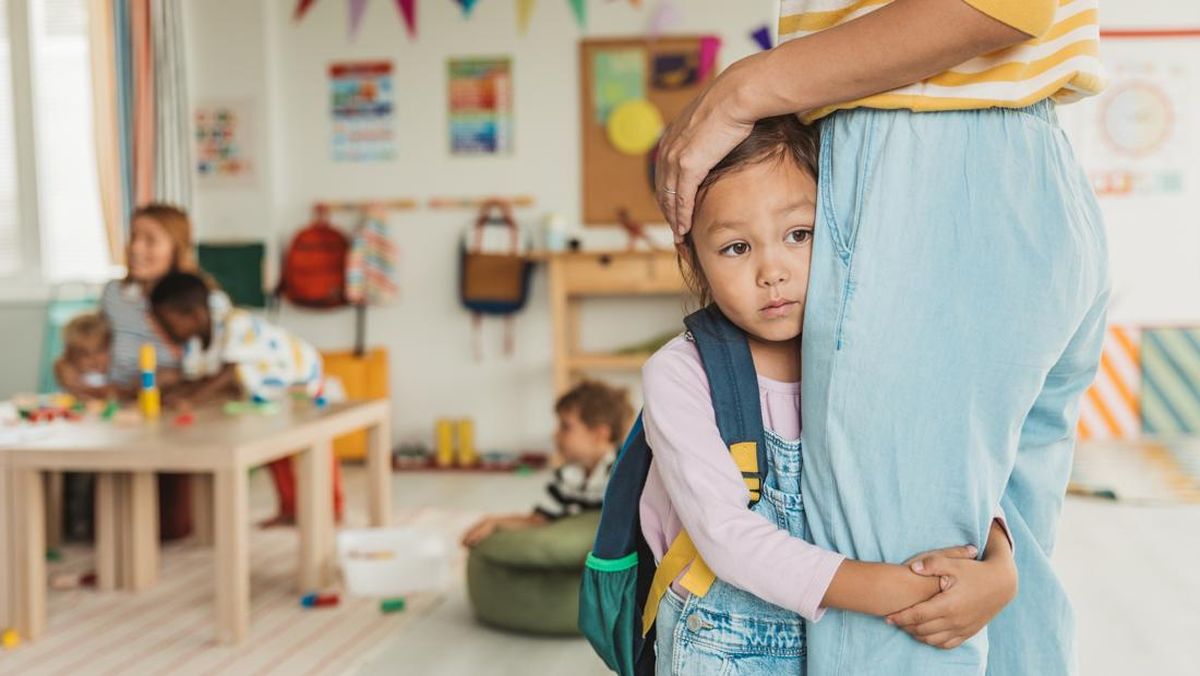
Child development experts emphasize that managing separation anxiety in young children requires a structured, gradual, and empathetic approach. When infants and toddlers face the departure of their primary caregivers, their immediate physical and emotional reactions are often intense. Children frequently respond to impending separation through persistent crying, tightly clinging to a parent’s clothing, or vocalizing a flat refusal to be left behind. While these episodes can prove emotionally draining and stressful for families, developmental psychologists confirm that such reactions are a normal, expected milestone in early childhood psychological growth.
Understanding the underlying mechanisms of separation anxiety helps families reframe these challenging moments. The condition typically manifests as children begin to cognitive develop an awareness that their parents possess autonomous movement and are not permanently stationed by their side. Rather than dismissing a child as overly dependent or commanding them to abruptly halt their tears, modern pediatric guidelines suggest validating their emotional state. Caregivers must gently communicate that temporary physical separation does not equate to abandonment, thereby fostering emotional resilience over time.
Psychological Roots and Developmental Context
The phenomenon known clinically as separation anxiety stems from the foundational stages of human attachment. According to developmental literature highlighted by psychological researchers, infants quickly learn that parents and primary caregivers serve as the ultimate providers of basic needs and a secure base. Consequently, absolute comfort is naturally associated with close proximity to these figures. As the child matures cognitively, they recognize their vulnerability when separated from this safety net, triggering discomfort and distress.
This psychological transition varies significantly across different developmental milestones. While some infants display distress as early as six to eight months old—coinciding with the emergence of object permanence and stranger wariness—others experience heightened separation anxiety during toddlerhood or even upon entering formal schooling environments. The behavioral expressions range widely from mild whining and visible hesitation to full-scale meltdowns, physical clinging, and sleep regressions. Pediatricians stress that these behaviors are indicative of a developing brain attempting to process complex emotional realities regarding safety, attachment, and independence.
Chronology of Behavioral Milestones in Attachment
To better contextualize when and how separation anxiety typically presents in children, developmental specialists outline a general timeline of attachment behaviors:
- Infancy (0 to 6 months): Infants develop foundational trust, responding positively to primary caregivers while beginning to distinguish them from unfamiliar faces, though true separation anxiety is rare.
- Older Infants (6 to 12 months): The onset of object permanence allows babies to realize that parents continue to exist even when out of sight. Separation anxiety often begins here, marked by distress when a caregiver leaves the room.
- Toddlerhood (1 to 3 years): Language and mobility expand, yet children experience intense attachment needs coupled with limited emotional regulation. Separation anxiety frequently peaks during this window, particularly around daycare enrollment or changes in routine.
- Early Childhood (3 to 5 years): As children gain independence through preschool and social interaction, anxiety often transforms into anticipatory worry about departures, though they become more receptive to logical reassurance and routines.
Evidence-Based Strategies for Managing Separation Anxiety
Mitigating the distress associated with departures requires proactive parental strategies rather than reactive emotional management. Child psychologists recommend a systematic framework to ease both the child’s and the parent’s transition during these moments.
1. Proactive Preparation Prior to Departure
Parents are strongly advised against the temptation of "stealth departures"—sneaking away while the child is distracted. While this tactic may temporarily avoid an immediate scene, it severely erodes the child’s trust and heightens future anxiety. Instead, caregivers should provide clear, simple explanations well in advance of leaving, outlining where they are going and why. Redirecting the child’s focus toward an engaging activity or a fun peer interaction planned for their time away helps anchor their expectations in a positive future event.
2. Establishing Concise and Consistent Departure Rituals
Lengthy, drawn-out farewells often amplify a child’s distress by signaling that the impending separation is a dangerous or abnormal event. Experts advocate for the creation of brief, consistent farewell rituals—such as a specific handshake, a dedicated hug, a gentle kiss, or a reassuring catchphrase. Once the ritual is complete, the parent must execute a calm, confident exit. Lingering repeatedly in response to tears communicates hesitation and inadvertently reinforces the child’s anxious behavior.
3. Contextualizing Time with Concrete Markers
Young children lack a fully developed cognitive grasp of abstract time concepts. Telling a toddler, "I will be back in three hours," holds little meaning and induces uncertainty. Instead, parents should anchor returns to familiar daily milestones that the child easily understands. Phrases such as "Mom will pick you up right after your afternoon nap" or "Dad will be home once you finish your lunch" provide predictable, tangible benchmarks that reduce anticipatory anxiety and build trust when promises are consistently met.
4. Validating Emotions with Empathy and Calm Assurance
Dismissing a child’s tears with frustration or minimizing their fear can lead to internalized emotional distress. Parents should instead acknowledge the child’s feelings calmly and directly. A statement like, "I know you feel sad right now because Mommy has to step away, but you are safe and will have a wonderful time here," validates their emotional reality while simultaneously projecting steady confidence. Children heavily mirror parental energy; if a parent remains calm and optimistic, the child is statistically more likely to self-soothe.
5. Implementing Gradual Exposure and Independent Practice
Overcoming separation anxiety requires incremental practice. Children benefit from short, supervised periods spent away from primary caregivers in the company of trusted relatives, familiar babysitters, or educators. Initiating these separations with brief durations and slowly expanding the timeframe allows the child’s nervous system to adapt safely. Furthermore, parents must evaluate their own emotional state; chronic parental guilt or lingering hesitation at the door can inadvertently signal to the child that the external world is unsafe.
Broader Implications and Professional Consultation
When managed with patience, consistency, and clear communication, separation anxiety is a temporary phase that ultimately fosters greater emotional independence and self-reliance in growing children. However, child development specialists note that persistent, severe anxiety that fails to subside over time—or significantly interferes with a child’s daily functioning, eating habits, sleeping patterns, or socialization—may require professional intervention.
In cases where distress escalates or exhibits characteristics of generalized anxiety disorders, families are encouraged to consult pediatricians, child psychologists, or licensed mental health professionals. Early identification and specialized therapeutic guidance ensure that children receive appropriate support, paving the way for healthy emotional development and confident future independence.