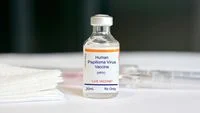
Human papillomavirus (HPV) vaccination has historically been positioned as a cornerstone of pediatric preventive healthcare, widely administered during early adolescence before individuals become sexually active. In Indonesia, the Ministry of Health has actively scaled up national immunization programs targeting school-aged children to curb the incidence of cervical and other HPV-related cancers. However, a significant public health question persists among older demographics: Does receiving the HPV vaccine during adulthood—particularly after individuals have already become sexually active—still confer meaningful protection against the virus? According to medical experts, the short answer is affirmative, though the clinical efficacy, dosage requirements, and strategic considerations differ significantly between pediatric and adult cohorts.
Clinical Perspectives on Adult HPV Vaccination
The ideal window for HPV vaccination remains prior to initial sexual debut, ensuring that the immune system encounters viral antigens in a naive state, completely free of prior exposure. Dr. Yudo Irawan, a specialist in dermatology, venereology, and aesthetics, emphasizes that while early administration is universally recommended, missing the pediatric window does not render the vaccine obsolete for adults.
Ideally, vaccination is recommended for boys and girls aged 9 to 12 years to maximize immunological response before potential exposure. Nevertheless, international and domestic clinical guidelines accommodate catch-up vaccination for older populations. For adult males and females, the administration of the HPV vaccine can be considered up to the age of 45 through a framework known as shared clinical decision-making. This collaborative approach requires a thorough discussion between the physician and the patient to evaluate individual risk profiles, lifestyle factors, and the overall clinical utility of the intervention.
Efficacy and Protection Profiles in Adults
A common misconception surrounding adult HPV vaccination is that prior sexual activity completely neutralizes the benefits of the vaccine. Medical data demonstrates that while the degree of protection varies based on prior exposure history, the vaccine retains a high level of efficacy for strains that an individual has not yet encountered.
The HPV vaccine does not offer blanket, 100-percent protection against every single strain of the virus, regardless of when it is administered. Numerous external factors contribute to individual susceptibility. However, the protective efficacy among fully immunized populations remains remarkably high, consistently exceeding 90 percent for the targeted viral types covered by the vaccine formulation.
For adults who have already contracted one or more strains of HPV, vaccination remains beneficial. Because HPV comprises numerous distinct viral genotypes, a past infection with a specific strain does not confer immunity against other strains included in the multidose vaccine. Although the clinical efficacy of the vaccine experiences a slight reduction in individuals with pre-existing infections—remaining safely above the threshold of marginal utility—it continues to protect against high-risk strains to which the patient has not yet been exposed. Consequently, medical practitioners continue to recommend catch-up vaccination for eligible adults seeking comprehensive protection against future oncogenic strains.
Standardized Dosing Regimens: Adults Versus Children
The immunological maturity and response capacity of different age groups dictate varying dosage schedules. For adult recipients, completing the full immunization series requires a stricter and more extended protocol than that prescribed for young children.
Medical guidelines established by prominent health authorities—including the Centers for Disease Control and Prevention (CDC), the World Health Organization (WHO), and national professional associations such as the Indonesian Society of Dermatology, Venereology, and Aesthetics (PERDOSKI) alongside internal medicine groups—mandate a three-dose series for adults. The standard interval for complete adult immunization involves an initial injection at month zero, followed by a second dose at month two, and a final booster injection at month six.
Conversely, the vaccination schedule for younger cohorts is considerably streamlined. Children who initiate the HPV vaccination series before the age of 15 require only a two-dose schedule. In this pediatric pathway, the primary injection is administered at month zero, followed by the second and final dose between six to twelve months later. This divergence highlights the heightened immune response observed in younger adolescents, which achieves robust antibody titers with fewer administrations.
Broader Implications for Public Health and Cancer Prevention
The ongoing discourse surrounding adult HPV vaccination underscores a broader shift in preventative medicine: transitioning from strictly pediatric-focused immunization to lifelong risk management. While national health campaigns successfully prioritize school-based immunization to establish foundational herd immunity, the millions of adults who missed these programs represent a critical secondary demographic for intervention.
Cervical cancer, anal cancer, oropharyngeal cancers, and genital warts associated with persistent high-risk HPV strains impose substantial burdens on global healthcare systems. By expanding the accessibility of catch-up vaccination up to age 45 through informed clinical dialogue, healthcare providers can mitigate long-term oncological risks within the adult population. Public health policy analysts suggest that as clinical awareness improves, adult uptake of preventative vaccines will play an increasingly vital role in reducing the overall prevalence of HPV-associated malignancies worldwide.