Cycling has transcended its traditional reputation as a mere athletic pursuit, evolving into a multifaceted pillar of modern urban life that integrates fitness, community building, and sustainable transportation. In recent years, particularly leading into 2026, the bicycle has shifted from a weekend recreational object to an essential tool for daily navigation, social engagement, and personal expression. This transformation reflects a global shift in how individuals interact with their city environments, prioritizing mobility, health, and environmental consciousness.
The Shift from Fitness to Lifestyle
Historically, cycling was categorized primarily within the realm of physical exercise—an activity reserved for high-intensity training or casual weekend outings. However, the contemporary landscape suggests a more profound integration. For the modern urban dweller, the bicycle serves as a versatile conduit for daily commutes, social networking, and even artistic expression.
This evolution is not merely anecdotal. Data from the 2026 Mobility & Bike City forum, organized by the Union Cycliste Internationale (UCI), indicates that the motivations for cycling have diversified significantly. While health remains a primary driver, the desire for autonomy in commuting and the psychological benefits of community-based riding have become equally compelling factors. The bicycle is no longer just a piece of equipment; it is a medium through which individuals navigate their professional and social lives.
Chronology of a Changing Urban Culture
The transition toward cycling as a lifestyle has been marked by several key developments over the past decade:
- Early 2020s: The global health crisis served as a catalyst, forcing urban populations to seek alternative, socially distanced modes of transport. This period saw a surge in bicycle sales and a renewed interest in urban cycling infrastructure.
- 2023–2024: Governments worldwide began formalizing "active mobility" policies, moving away from car-centric urban planning. During this time, cities like Jakarta began expanding car-free zones and dedicated lane networks.
- 2025: The integration of digital tracking technologies, such as Strava and other fitness-social platforms, allowed cyclists to map their routes, leading to the rise of "Strava Art," where cyclists create digital patterns on maps, effectively turning city streets into canvases.
- 2026: The World Bicycle Day celebrations marked a pinnacle of this movement, with organizations like Bike to Work (B2W) Indonesia positioning cycling as a legitimate alternative to public transit and private vehicles, emphasizing its role in carbon footprint reduction.
The Role of Community and Digital Connectivity
One of the most significant drivers of the cycling boom is the emergence of diverse, interest-based communities. These groups have moved beyond the traditional "peloton" model. Today, there are cycling clubs dedicated to social causes, environmental activism, and professional networking.
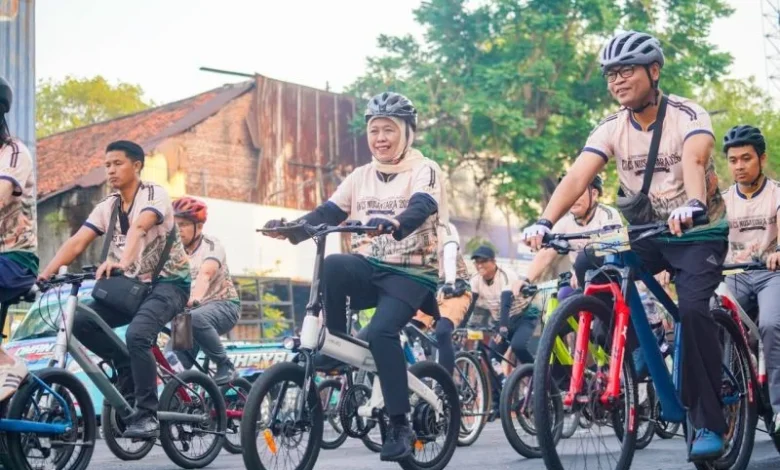
In Indonesia, the B2W movement has become a cornerstone of this shift. By organizing collective rides to workplaces, these groups have dismantled the stigma that cycling is only for sport. This communal approach has fostered a sense of belonging, where the shared experience of navigating urban traffic creates a bond among participants.
The influence of social media cannot be understated. Platforms have enabled cyclists to share not just their physical progress, but their experiences—documenting routes, favorite local cafes, and the nuances of urban exploration. This has transformed cycling into a "content-driven" activity, where the journey itself is as important as the destination. The rise of digital challenges and global mapping trends has turned solitary rides into part of a global, interconnected conversation.
Health and Urban Mobility: A Scientific Perspective
The health implications of this shift are supported by international health standards. The World Health Organization (WHO) has long advocated for "active mobility," noting that regular, moderate-intensity physical activity is essential for the prevention of non-communicable diseases.
According to the Indonesian Ministry of Health’s Center for Health Development Policy, adults require 150 to 300 minutes of moderate-intensity physical activity per week to maintain optimal health. Integrating cycling into the daily commute—often referred to as "active commuting"—allows individuals to meet these health targets without dedicating extra time to gym sessions or structured sports. This seamless integration of health into the daily schedule is perhaps the most sustainable aspect of the cycling lifestyle.
Government Initiatives and Infrastructure
Recognizing the environmental and social benefits, municipal governments have begun to treat cycling infrastructure as a critical urban asset. In Jakarta, the Provincial Government has actively expanded the implementation of the Hari Bebas Kendaraan Bermotor (HBKB), or Car-Free Day, to key arterial roads such as H.R. Rasuna Said.
This expansion is part of a broader strategy to mitigate the dual problems of congestion and air pollution. By providing safe spaces for cyclists and pedestrians, the city is signaling a move toward human-centric urban design. Officials suggest that these initiatives are not just about health, but about economic efficiency—reducing the reliance on fossil-fuel-dependent vehicles and lowering the collective cost of transportation for the city’s residents.
Global Implications and Economic Impact
The UCI’s 2026 discussions highlighted that the impact of cycling extends far beyond health. The "Bike City" strategy suggests that cities with high rates of bicycle usage see an uptick in local business engagement. Cyclists are more likely to stop at local shops and restaurants compared to motorists, who often prioritize speed and through-traffic.
Furthermore, the "cycling economy"—comprising specialized apparel, bicycle manufacturing, and maintenance services—has grown into a robust sector. The diversification of bicycle types, from e-bikes and cargo bikes to high-performance racing machines, has catered to a wide demographic, further broadening the movement’s appeal.
Future Outlook
As cities continue to grapple with the pressures of rapid urbanization and climate change, the bicycle remains one of the most effective tools at their disposal. The trend of cycling as a lifestyle is expected to mature as infrastructure improves. Experts predict that the future of urban mobility will be defined by the "multimodal" traveler: someone who cycles to a transit hub, takes a train, and perhaps uses a folding bike for the final mile.
The evolution of cycling is a testament to human adaptability. What began as a recreational pursuit has been refined into a sophisticated, lifestyle-integrated solution to some of the 21st century’s most pressing challenges. Whether for sport, work, or social exploration, the bicycle has solidified its place as a permanent fixture in the modern urban fabric.
As we look toward the remainder of the decade, the focus will likely shift from merely promoting cycling to ensuring safety and inclusivity. Achieving this will require continued cooperation between urban planners, community organizations, and the individual cyclists who are, one pedal stroke at a time, redefining the way we move through our world. The narrative of the bicycle is no longer just about movement; it is about the quality of life, the resilience of our cities, and the connections we forge within them.