Beyond the Kitchen Staple: Unveiling the Nutritional Powerhouse of Mung Beans for Modern Health

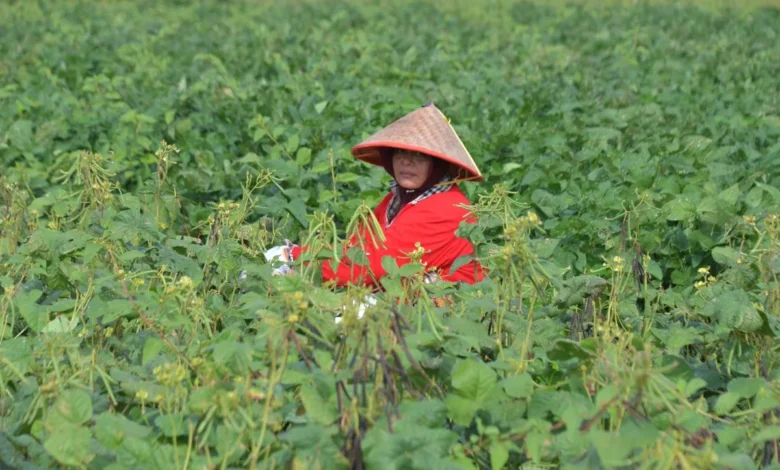
Mung beans, known locally in Indonesia as kacang hijau, have long occupied a cherished position in the culinary landscape of Southeast Asia. Often relegated to the status of a simple comfort food—typically enjoyed as a sweet porridge, a component in traditional cakes, or a nutrient-dense sprout—these small, green legumes are increasingly gaining recognition from nutritionists and public health experts for their significant role in a balanced, modern diet. Far from being merely a traditional ingredient, the mung bean is a concentrated source of essential macro and micronutrients that can serve as a cornerstone for disease prevention and metabolic health.
The Historical and Cultural Context of Mung Beans
The cultivation of Vigna radiata, the scientific name for the mung bean, dates back thousands of years, with its origins rooted in the Indian subcontinent before spreading throughout East and Southeast Asia. In the Indonesian archipelago, the mung bean has served as a reliable, shelf-stable, and affordable protein source for generations. Its historical prevalence is not accidental; the crop is remarkably resilient, capable of thriving in varied climates, and serves as a vital component of food security in regions prone to long dry seasons.
In contemporary Indonesia, the government has actively promoted the consumption of mung beans through the Ministry of Health’s nutritional guidelines. By framing the bean as a primary source of plant-based protein, authorities have aimed to diversify the national diet, which traditionally relies heavily on rice and animal-based proteins. The economic importance of this legume is further evidenced by its status as a growing export commodity, with the Ministry of Agriculture facilitating large-scale shipments to global markets, including China, signaling the legume’s rising profile in the international trade arena.
Nutritional Composition and Biochemical Profile
At the heart of the mung bean’s appeal is its impressive nutritional density. Each 100-gram serving of cooked mung beans provides a robust profile of protein, complex carbohydrates, and essential minerals. Unlike many other plant-based staples, mung beans contain a favorable balance of amino acids, making them a high-quality protein source for vegetarians and vegans.
The legumes are particularly rich in dietary fiber—both soluble and insoluble—which is instrumental in modulating digestive health. Furthermore, they are a treasure trove of micronutrients, including potassium, magnesium, calcium, phosphorus, and iron. Beyond these basics, mung beans contain bioactive compounds such as phenolic acids, flavonoids, and cinnamic acid. These antioxidants are critical in scavenging reactive oxygen species (ROS) and mitigating oxidative stress, a biological process linked to the pathogenesis of chronic diseases such as cancer, inflammatory disorders, and metabolic syndrome.
Clinical Implications for Digestive and Metabolic Health
One of the most profound impacts of regular mung bean consumption is its effect on gastrointestinal function. The high fiber content serves a dual purpose: it adds bulk to stool, facilitating regular bowel movements, and acts as a prebiotic substrate. Prebiotics are non-digestible food components that promote the growth of beneficial gut microbiota, such as Bifidobacteria and Lactobacilli. A flourishing microbiome is essential for immune function, mood regulation, and the efficient absorption of nutrients.
In the realm of metabolic health, the mung bean offers a protective mechanism against blood glucose spikes. The starch in mung beans is characterized by a lower glycemic index compared to refined grains. This is attributed to the presence of resistant starch and high fiber levels, which slow the enzymatic breakdown of carbohydrates into glucose. Consequently, insulin secretion is more gradual, which is a vital consideration for individuals managing pre-diabetes or metabolic syndrome. While it is scientifically inaccurate to label any food a "cure" for diabetes, clinical nutritionists emphasize that incorporating low-glycemic, fiber-rich legumes is a proven strategy for glycemic control when integrated into a structured diet.
Cardiovascular Protection and Mineral Synergy
The cardiovascular benefits of mung beans are multifaceted, stemming from the synergistic action of its mineral and fiber content. Cardiovascular disease remains a leading cause of mortality globally, and dietary interventions focusing on mineral balance—specifically the sodium-to-potassium ratio—are central to prevention. The high potassium content in mung beans helps counteract the adverse effects of dietary sodium, thereby assisting in the regulation of blood pressure.
Magnesium, another abundant mineral in mung beans, plays a critical role in vasodilation and cardiac rhythm stability. When paired with fiber, which helps bind bile acids and reduce systemic cholesterol absorption, the mung bean emerges as a heart-healthy food that supports vascular integrity. Public health officials caution, however, that these benefits are conditional; they are most effective when part of a holistic lifestyle that includes regular aerobic exercise, adequate sleep, and the avoidance of excessive refined sugars and saturated fats.
Navigating Preparation: The "Healthy" Paradox
Despite the inherent nutritional value of the mung bean, the manner of preparation significantly alters its health profile. In many Indonesian households, mung beans are prepared as bubur (porridge) with generous amounts of coconut milk and palm or cane sugar. While this dish provides caloric energy, the addition of high-glycemic sweeteners can counteract the benefits of the bean’s natural fiber.
Nutritionists suggest that to maximize health outcomes, the preparation should prioritize minimizing added sugars and saturated fats. Alternatives include using coconut milk sparingly, substituting sugar with natural sweeteners in moderation, or consuming the beans in savory dishes such as salads, soups, or as a sprouted component in stir-fries. Sprouting, in particular, enhances the bioavailability of certain vitamins and reduces anti-nutrients like phytic acid, which can otherwise inhibit mineral absorption.
Official Guidelines and Public Health Policy
The Indonesian Ministry of Health consistently highlights the mung bean as a fundamental component of a "Balanced Nutrition" (Gizi Seimbang) framework. This framework is designed to move the population away from a carbohydrate-heavy diet toward one that is nutrient-dense. The government’s endorsement is not merely advisory; it is integrated into school meal programs and prenatal health initiatives.
During pregnancy, the iron and folate content in mung beans is particularly beneficial for the prevention of anemia and the support of fetal development. For the elderly, the ease of digestion and the mineral profile contribute to the maintenance of bone density and muscle mass. The broad applicability of the mung bean across different life stages makes it an invaluable tool for public health policy, particularly in developing nations where cost-effectiveness and nutrient density must align.
Future Perspectives: Research and Sustainability
The future of the mung bean lies in its dual role as a resilient crop and a functional food. As global temperatures rise and water scarcity becomes a pressing agricultural challenge, the mung bean’s relative drought tolerance positions it as a "climate-smart" crop. Agronomists are currently researching varieties that offer higher yields and greater resistance to pests, which would further lower costs for consumers and increase the profit margins for farmers.
From a nutritional research perspective, ongoing studies are investigating the potential of mung bean peptides—short chains of amino acids—to inhibit enzymes associated with hypertension. If these findings are solidified in large-scale clinical trials, the mung bean could move from a traditional food item to a source of bioactive compounds for nutraceutical applications.
Conclusion: A Strategic Dietary Inclusion
The mung bean represents a unique intersection of traditional wisdom and modern nutritional science. While it is not a "superfood" capable of single-handedly preventing disease, its inclusion in a balanced diet provides a significant tactical advantage. By offering a clean source of protein, essential fiber, and a wide array of protective minerals, the mung bean fulfills the requirements of a sustainable and health-promoting diet.
To reap these benefits, consumers are encouraged to view the mung bean as a versatile ingredient capable of being integrated into various culinary contexts beyond the traditional dessert bowl. By emphasizing the bean’s natural state and reducing reliance on heavy sweeteners, individuals can leverage this humble legume to support digestive health, stabilize blood sugar levels, and bolster cardiovascular function. As public health initiatives continue to prioritize affordable and nutritious plant-based proteins, the mung bean is set to remain a vital element of the global nutrition strategy for the foreseeable future.