Debunking the Myth of Rapid Hair Growth: Scientific Realities and Evidence-Based Strategies for Maintaining Optimal Scalp Health

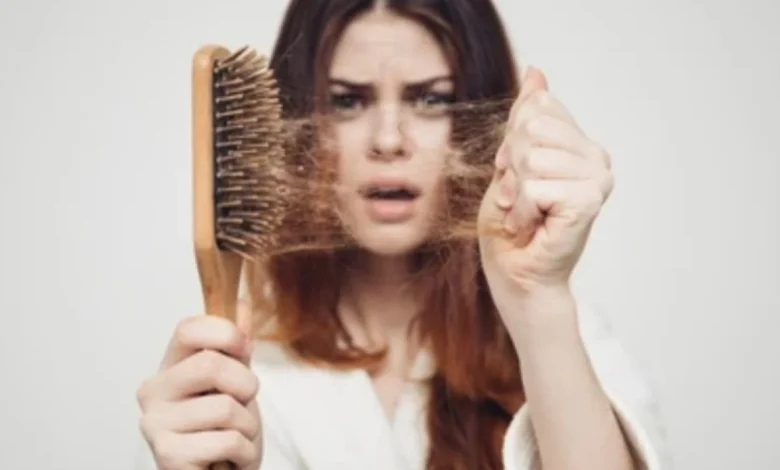
The beauty and personal care industry is saturated with marketing campaigns promising consumers "miracle" solutions for rapid hair growth, often claiming that specific serums, shampoos, or supplements can trigger accelerated follicle activity to produce long, luscious hair in a matter of weeks. However, dermatological science presents a starkly different reality: human hair growth is governed by complex biological cycles that are largely resistant to external acceleration beyond their natural, genetically determined rate. While consumers are frequently targeted by high-budget advertisements for rapid-growth formulas, scientific consensus indicates that the focus should shift from "speeding up" the biological process to optimizing the environment in which hair grows to prevent premature breakage and thinning.
The Biological Mechanism of Hair Growth
To understand why "rapid growth" products often fail to deliver on their promises, one must examine the hair growth cycle. Every hair follicle on the human scalp operates independently, moving through three distinct phases: the anagen phase (growth), the catagen phase (transition), and the telogen phase (resting).
During the anagen phase, which typically lasts between two to seven years, cells in the root of the hair divide rapidly. The speed of this division is dictated by an individual’s genetic blueprint, age, overall health, and hormonal profile. Once a hair enters the catagen phase, growth ceases, and the follicle shrinks. Finally, in the telogen phase, the hair remains in the follicle until it is eventually shed, often pushed out by a new hair beginning the cycle again.
Because the duration of the anagen phase is genetically programmed, it cannot be overridden by topically applied chemical stimulants or expensive shampoos. While some products claim to "activate" dormant follicles, their efficacy is usually limited to improving the health of the scalp or minimizing micro-inflammation, rather than altering the fundamental velocity of cellular division.
Factors Influencing Growth Velocity and Hair Health
While the speed of growth is fixed, the "perceived" length of hair is often affected by the retention of the hair fiber. Hair that is brittle, damaged, or subject to environmental stress will break before it can reach significant length, creating the illusion of stunted growth. According to reports from the American Academy of Dermatology and insights from Medical News Today, several internal and external factors contribute to the quality of the hair shaft and the longevity of the anagen phase.
Key determinants include:
- Genetics: The primary driver of hair texture, density, and growth rate.
- Hormonal Balance: Fluctuations in androgens and thyroid hormones can significantly shift the ratio of follicles in the anagen phase versus the telogen phase.
- Nutritional Status: Since hair is composed primarily of the protein keratin, deficiencies in essential micronutrients—particularly iron, zinc, niacin, and vitamins A, B, C, D, and E—can lead to structural weakness in the hair shaft.
- Systemic Stress: Chronic physical or emotional stress triggers the release of cortisol, which has been clinically linked to telogen effluvium, a condition where hair is forced prematurely into the resting phase, leading to widespread shedding.
Strategic Nutritional Support for Hair Integrity
The foundation of healthy hair growth lies in internal physiological support rather than external "quick fixes." Clinical nutritionists emphasize that the hair follicle is a highly metabolically active organ, requiring a consistent supply of nutrients to function.
A deficiency in ferritin (stored iron) is one of the most common causes of hair thinning among women. Similarly, zinc plays a critical role in tissue growth and repair. Research suggests that a balanced diet—or targeted supplementation when deficiencies are confirmed by a physician—can ensure that the hair produced is of the highest structural integrity. This does not make the hair grow "faster," but it ensures that the hair is strong enough to withstand daily wear and tear, thereby allowing it to grow longer over time without breaking.
Mitigating External Damage: The Role of Scalp and Fiber Maintenance
If the goal is to achieve length, the focus must shift to damage mitigation. Professional stylists and dermatologists frequently point to mechanical and chemical trauma as the primary culprits for hair length retention failure.
Thermal Styling and Chemical Alteration
The use of high-heat styling tools, such as flat irons and curling wands, disrupts the hydrogen bonds within the hair cortex, leading to structural damage. When temperatures exceed 350°F (180°C), the protein structure begins to degrade. For individuals who insist on using these tools, the application of thermal protectants is non-negotiable. These products form a thin barrier, distributing heat more evenly and reducing the rate of water evaporation from the hair shaft. Furthermore, chemical processes—such as permanent dyes, bleaching, or perms—permanently alter the hair’s internal structure, leaving it porous and susceptible to snapping.
Mechanical Protection
A frequently overlooked aspect of hair health is the friction caused during sleep. Standard cotton pillowcases possess a coarse texture that creates significant friction against hair fibers throughout the night, leading to tangling, cuticle abrasion, and breakage. The adoption of satin or silk pillowcases has become a standard recommendation in modern hair care, as these materials allow the hair to glide over the surface, minimizing mechanical stress.
The "Sandwich" Method and Conditioning
Proper maintenance involves a sophisticated approach to hydration. The "sandwich" method, which involves applying a light conditioner or pre-shampoo treatment to the mid-lengths and ends before shampooing, acts as a protective buffer. This ensures that the scalp is cleansed of excess sebum and environmental pollutants while the vulnerable ends are protected from the stripping effects of surfactants in the shampoo. Following this with a high-quality rinse-out conditioner restores the pH balance of the hair cuticle, sealing it to prevent moisture loss and environmental damage.
Addressing the Psychological Impact of Hair Loss
The preoccupation with rapid hair growth is often linked to the psychological distress associated with thinning hair or loss. Medical institutions, including the Cleveland Clinic, have documented the correlation between psychological stress and hair shedding. When an individual perceives their hair to be thinning, the resulting anxiety can exacerbate the problem, creating a feedback loop.
Effective management of this stress—through practices such as cognitive behavioral techniques, regular physical activity, and mindfulness—can help regulate cortisol levels. While these lifestyle changes do not result in overnight growth, they are critical for maintaining the normal, healthy functioning of the hair follicle cycle.
Conclusion: A Realistic Perspective on Hair Care
The reality of hair growth is a testament to the biological limitations of the human body. There is no shortcut to long hair that bypasses the natural biological growth rate. However, by shifting the focus from unrealistic growth claims to the rigorous maintenance of scalp health and the protection of the existing hair fiber, individuals can ensure they reach their maximum genetic potential for length.
The professional consensus remains clear: health comes from within, while length is maintained from without. Consumers are advised to approach "miracle" hair products with healthy skepticism, prioritizing a nutrient-dense diet, gentle hair handling practices, and professional dermatological consultations if they notice sudden or excessive hair loss. In the pursuit of healthy, long hair, consistency and patience remain the most effective, albeit least advertised, tools available.