Mahkamah Agung to Open 2026 CPNS Selection Offering 4430 Positions for Future Judges and Civil Servants

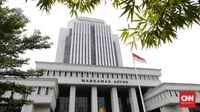
The Supreme Court of the Republic of Indonesia has officially announced plans to conduct a comprehensive recruitment drive for prospective state civil apparatus personnel through the upcoming 2026 Civil Servant Candidate selection process. In a concerted effort to address mounting personnel deficits within the national judicial system, the institution has prepared a total of 4,430 job allocations specifically designated for prospective judges and administrative civil servants. This major recruitment initiative is strategically designed to fortify human resources across various levels of the judiciary, ensuring that judicial services remain robust, accessible, and equitably distributed to citizens across the entire Indonesian archipelago.
As the judicial branch prepares to launch this nationwide selection process, extensive logistical planning and administrative preparations are already underway behind the scenes. The impending recruitment campaign represents one of the largest single-year human resource injections into the Indonesian court system in recent memory, reflecting a critical governmental response to systemic staffing shortages that have challenged court operations for years.
Detailed Allocation of the 2026 Supreme Court CPNS Quota
According to official data released through the primary communication channels of the Supreme Court, the allocation of the 4,430 positions for the 2026 fiscal year has been systematically divided into two distinct recruitment categories. The breakdown is structured to address both the core adjudicative functions of the courts and the essential administrative apparatus required to keep judicial institutions running smoothly.
Out of the total 4,430 positions available, 1,600 slots have been strictly allocated for prospective judges, scientifically known locally as calon hakim or cakim. These individuals will undergo specialized judicial training programs following their successful selection to prepare them for the profound responsibilities of presiding over legal proceedings. Meanwhile, the remaining 2,830 formations are dedicated to general civil servant candidates who will serve in various administrative, technical, and supporting roles within the Supreme Court and its subordinate judicial bodies spread across all four judicial environments—general jurisdiction, religious jurisdiction, military jurisdiction, and state administrative jurisdiction.
Despite the release of these overarching figures, the Supreme Court has clarified that precise sub-allocations, specific regional distributions, and detailed functional classifications for each category will be revealed closer to the formal registration window. Prospective applicants are advised that comprehensive details regarding educational qualifications, administrative prerequisites, and the step-by-step registration mechanism will be published simultaneously with the official opening announcement projected for late November 2026.
Background and Context of the Judicial Staffing Crisis
The decision by the central government to prioritize the Supreme Court for massive recruitment in 2026 is rooted in a chronic and unsustainable depletion of judicial personnel. Statistical data provided by the Supreme Court indicates that the institution loses approximately 500 judges and judicial apparatus personnel annually. This continuous drain is primarily driven by mandatory retirements, alongside other natural factors such as career transitions, resignations, and mortality.
What exacerbates this ongoing attrition is the severe restriction on recruitment that has characterized recent years. Most notably, the last formal recruitment cycle dedicated specifically to hiring new judges took place in 2021. For five years, the judicial system operated under strict hiring limitations, absorbing the continuous loss of veteran judges and administrative staff without a corresponding influx of fresh personnel.
This widening gap between workforce departures and incoming replacements has placed an immense strain on the Indonesian justice system. Courts across the nation, particularly in remote and outer regions, have frequently found themselves grappling with overwhelming caseloads handled by a fraction of the ideal judicial workforce. Legal experts and institutional observers have long warned that if left unchecked, this human resource deficit poses a direct threat to the administration of justice, potentially leading to prolonged trial backlogs, delayed verdicts, and compromised public access to legal remedies.
Consequently, the 2026 recruitment drive is not merely an administrative exercise, but a vital intervention necessary to guarantee that the constitutional rights of citizens to a fair and timely trial are actively upheld.
Chronology and Strategic Alignment with National Priorities
The path toward the 2026 Supreme Court recruitment has been shaped by broader national administrative reforms overseen by the Ministry of State Apparatus Utilization and Bureaucratic Reform. Recognizing the acute vulnerabilities within the judicial sector, the government formally designated the Supreme Court as a priority institution authorized to conduct large-scale recruitment despite broader fiscal and bureaucratic optimizations across other civil service sectors.
Throughout the preceding years, judicial associations and internal oversight bodies repeatedly petitioned the executive branch to address the dwindling number of active judges. The culmination of these dialogues resulted in the formal greenlighting of the 4,430-person quota for the 2026 state budget allocation.
This recruitment initiative does not occur in a vacuum; it is strategically aligned with broader national priority programs aimed at optimizing public service delivery across all state sectors. Alongside the judiciary’s recruitment drive, the government has concurrently opened targeted formations for critical national sectors, including specialized educators for integrated schools, candidates for the Garuda Excellent Schools program, forest rangers, and other strategic technical positions. By synchronizing these efforts, the state aims to systematically upgrade human capital across key pillars of governance, education, security, and law enforcement.
Official Responses, Protocols, and Anti-Fraud Warnings
In anticipation of the immense public interest that the 2026 Supreme Court CPNS selection is guaranteed to generate, institutional authorities have issued strict warnings regarding information security and recruitment integrity. Given the high prestige and job security associated with judicial careers in Indonesia, recruitment cycles historically attract hundreds of thousands of applicants, creating fertile ground for fraudulent schemes and misinformation.
The Supreme Court has explicitly reminded all prospective applicants to exercise extreme caution and to rely exclusively on official communication channels for updates, announcements, and procedural guidelines. Administrative bodies have emphasized that neither the Supreme Court nor any authorized government agency will ever charge fees for application submissions, nor will they endorse intermediaries or third-party brokers claiming the ability to guarantee successful placement.
"We urge all members of the public who intend to participate in the 2026 Supreme Court CPNS selection to remain vigilant and trust only verified updates released directly through official institutional networks," an institutional representative stated, reinforcing the zero-tolerance policy regarding bribery and fraudulent patronage networks. Applicants found attempting to bypass official merit-based selection procedures through illicit means will face immediate disqualification and potential legal prosecution.
Implications and Future Outlook for Indonesia’s Legal Architecture
The execution of the 4,430-position recruitment campaign in 2026 is anticipated to yield far-reaching implications for the future of Indonesia’s legal architecture. By injecting a substantial wave of young, qualified legal minds into the system, the Supreme Court aims to rejuvenate its aging workforce and foster institutional innovation.
For the newly recruited prospective judges, the journey from selection to the bench will involve rigorous training phases, mentorship under senior magistrates, and comprehensive evaluations designed to instill uncompromising standards of judicial integrity, impartiality, and professional competence. Meanwhile, the incoming administrative personnel will undergo specialized training to modernize court administration, enhance digital case-management systems, and improve transparency across all judicial registries.
Ultimately, the success of the 2026 recruitment drive will be measured not merely by the fulfillment of numerical quotas, but by tangible improvements in the daily functioning of Indonesian courts. With an adequately staffed judiciary, the state moves one step closer to realizing the constitutional mandate of swift, accessible, and fair justice for every citizen, laying a solid foundation for the rule of law in the decades to follow.