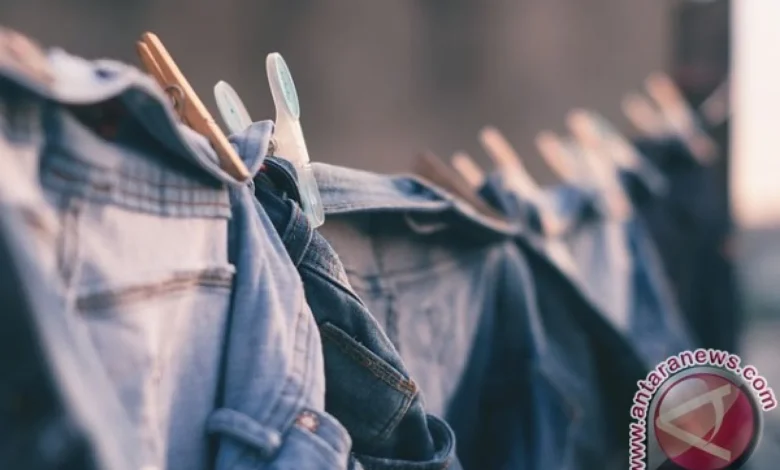
The arrival of the rainy season in Jakarta and across Indonesia invariably brings with it a cascade of daily challenges, and among the most persistent is the upkeep of household laundry. As downpours become a frequent, often relentless, occurrence, the conventional processes of washing and drying clothes are significantly hampered. This leads to garments taking an extended period to dry, fostering an environment ripe for the development of unpleasant musty odors. The pervasive smell, commonly referred to as "apek" in Indonesian, is a direct consequence of high humidity levels and inadequate drying, creating a breeding ground for bacteria and fungi within fabric fibers. Understanding and implementing specific strategies is crucial to ensure clothing remains fresh and free from this unwelcome scent, even amidst persistent precipitation.
The Science Behind the Musty Odor
The phenomenon of musty smells in laundry during the rainy season is rooted in basic microbiology and atmospheric science. Humidity, the amount of water vapor present in the air, plays a pivotal role. When laundry is not dried thoroughly, residual moisture trapped in the fabric creates an ideal microenvironment for microorganisms. Bacteria, such as Staphylococcus and Bacillus species, and fungi, like molds and yeasts, thrive in damp, warm conditions. As these microorganisms metabolize organic matter present on the fabric (such as skin cells, body oils, and detergent residue), they produce volatile organic compounds (VOCs) that are responsible for the characteristic musty or stale odor.
Indonesia, with its tropical climate, experiences high average humidity levels year-round, often exceeding 70-80%. During the monsoon season, which typically runs from November to March for many parts of the country, rainfall intensifies, and cloud cover often reduces sunlight penetration, further exacerbating drying challenges. The average daily temperature in Jakarta, for instance, hovers around 27-30 degrees Celsius, providing a warm environment conducive to microbial growth when combined with high moisture. This synergy of heat and moisture creates a perfect storm for laundry woes.
Proactive Measures: Immediate Action for Fresher Clothes
The first line of defense against musty laundry begins the moment the washing machine cycle ends. Experts emphasize that allowing wet clothes to sit in a pile, whether in the washing machine or a hamper, is a critical mistake. This stagnant, damp environment is an open invitation for bacteria to multiply rapidly.
1. Prompt Drying is Paramount:
The most crucial step is to transfer clothes from the washing machine to the drying area as quickly as possible. Ideally, garments should be hung to dry within one to two hours of completing the wash cycle. This window is critical for preventing the initial proliferation of odor-causing microbes. If immediate drying is not feasible due to time constraints or weather conditions, a temporary measure is to move the wet laundry to a well-ventilated hamper or basket. These containers, often featuring perforations or mesh designs, allow for some air circulation, mitigating the immediate buildup of moisture and reducing the risk of the fabric becoming overly damp and compacted. This simple act of aeration can significantly slow down the microbial growth process, buying valuable time until proper drying can commence.
Optimizing Drying Conditions: Beyond the Clothesline
When outdoor drying is compromised by rain, creative and effective indoor drying solutions become essential. The key is to simulate the airflow and reduced humidity that outdoor drying provides.
2. Ventilated Indoor Drying Spaces:
Harnessing indoor spaces for drying is a viable alternative, provided these areas are adequately ventilated. Rooms with windows that can be opened wide, or those equipped with effective ventilation systems, are ideal. The principle is to create cross-ventilation by opening windows and doors to allow fresh air to circulate freely. This airflow is instrumental in reducing the ambient humidity within the room and facilitating the evaporation of moisture from the clothes. Without sufficient air movement, the moisture released by the drying clothes will simply recirculate, prolonging the drying time and increasing the likelihood of a musty smell.
3. Leveraging Auxiliary Drying Appliances:
For those seeking to accelerate the drying process and achieve optimal results, employing household appliances can be a game-changer.
- Electric Fans: Positioning an electric fan to blow air directly onto the hanging laundry can significantly enhance evaporation. A medium speed setting is usually sufficient to promote a steady stream of air movement without causing excessive agitation. This increases the rate at which water molecules transition from the fabric into the air.
- Air Conditioners (AC): Running an air conditioner in the room where laundry is drying can be highly effective. AC units work by cooling the air and, in the process, dehumidifying it. The drier air produced by the AC unit absorbs moisture from the clothes more efficiently, leading to faster drying times.
- Hair Dryers: For individual items that need to be dried quickly, such as a school uniform or a work shirt, a hair dryer can be a lifesaver. Using a medium heat setting, one can direct the airflow onto the damp garment, accelerating the evaporation of water from the fibers. It’s important to keep the dryer moving to avoid overheating any specific area of the fabric.
- Dehumidifiers: These specialized appliances are designed specifically to remove moisture from the air. By lowering the overall humidity in the drying space, a dehumidifier creates an environment where clothes can dry much more rapidly. This is particularly useful in enclosed spaces with limited natural ventilation.
The strategic use of these appliances can transform a damp, humid room into a more efficient drying environment, making laundry day manageable even during prolonged periods of rain.
4. Strategic Spacing and Garment Presentation:
The way clothes are hung plays a crucial role in their drying efficiency, even when using indoor methods.
- Creating Air Gaps: When hanging multiple items, it is vital to ensure adequate space between them. A gap of approximately 5 cm to 10 cm between each garment allows air to circulate freely around each piece. This prevents damp clothes from touching each other, which would otherwise create pockets of moisture and impede drying.
- The Hanger Advantage: Utilizing hangers for most garments is highly recommended. Hangers allow clothing to hang freely and openly, exposing more surface area to the air. This prevents the formation of creases and folds where moisture can become trapped, leading to uneven drying and potential odor development. Items like shirts, blouses, dresses, and trousers benefit significantly from being hung, ensuring that the fabric dries uniformly.
Natural Solutions for Stubborn Odors
Beyond optimizing drying conditions, certain natural ingredients can be incorporated into the washing process or used as post-wash treatments to combat musty smells.
5. Harnessing the Power of Baking Soda and White Vinegar:
- Baking Soda: This common household staple is a natural deodorizer and odor absorber. It also has the added benefit of helping to preserve the color of clothes over time. To use, simply add about half a cup of baking soda along with your regular detergent into the washing machine drum during the wash cycle. It works by neutralizing acidic odor compounds.
- White Vinegar: White vinegar is a potent natural disinfectant and deodorizer that can effectively kill odor-causing bacteria. To incorporate it into your laundry routine, add about half a cup of white vinegar to the fabric softener compartment of your washing machine, or directly into the final rinse cycle. The vinegar smell will dissipate completely as the clothes dry, leaving behind only freshness.
6. The Saltwater Soak for Rain-Soaked Garments:
In situations where clothes have been exposed to rain and are particularly damp and prone to odor, a saltwater soak can be an effective remedy. Salt possesses natural antibacterial properties that can help eliminate musty smells.
To implement this treatment, prepare a basin of warm water and dissolve 2-3 tablespoons of salt into it. Submerge the rain-soaked garments in this saltwater solution and let them soak for 30 minutes to an hour. After soaking, proceed with a regular wash cycle. This pre-treatment can significantly reduce the microbial load and neutralize any developing odors before they become entrenched in the fabric.
Broader Implications and Consumer Preparedness
The challenges posed by the rainy season extend beyond individual households, impacting the textile industry and consumer behavior. Manufacturers are increasingly developing quick-drying fabrics and moisture-wicking technologies for activewear and everyday clothing. Furthermore, the demand for effective laundry detergents with enhanced odor-fighting capabilities has risen.
The recurring nature of these laundry challenges during the monsoon season highlights the importance of consumer education and preparedness. Public service announcements and media outlets often disseminate tips on managing laundry during this period, echoing the advice provided by household and textile experts. The continuity of such advice, as seen in related articles concerning vehicle maintenance during the rainy season, underscores the interconnectedness of various aspects of daily life affected by weather patterns.
As Indonesia continues to experience its predictable yet impactful rainy seasons, the adoption of these practical, scientifically-backed strategies will remain vital for maintaining hygiene and comfort in households across the archipelago. The ability to adapt laundry routines to adverse weather conditions not only ensures fresh-smelling clothes but also contributes to a more comfortable and stress-free living environment during periods of inclement weather.