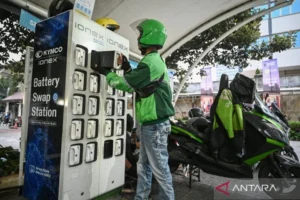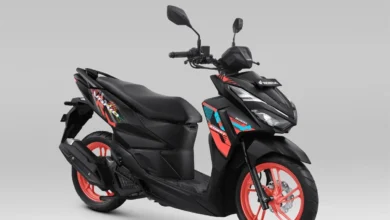
Jakarta, Indonesia – A new government regulation has sparked concern among stakeholders in Indonesia’s burgeoning electric vehicle (EV) sector, as it appears to pave the way for the imposition of taxes on battery-powered vehicles. The revised rules, detailed in the Ministry of Home Affairs Regulation No. 11 of 2026 concerning the Basis for Imposing Motor Vehicle Tax, Motor Vehicle Name Transfer Fee, and Heavy Equipment Tax, no longer explicitly exempt EVs from these levies. This shift represents a significant departure from previous policy, potentially impacting the affordability and adoption of electric mobility in the archipelago.
Under the new regulation, electric cars and motorcycles are not listed among the categories of vehicles exempted from the Motor Vehicle Tax (Pajak Kendaraan Bermotor – PKB) and the Motor Vehicle Name Transfer Fee (Bea Balik Nama Kendaraan Bermotor – BBNKB). Article 3, paragraph (3) of the regulation outlines the specific exemptions, which include:
- Railway vehicles;
- Motor vehicles solely used for national defense and security purposes;
- Motor vehicles belonging to embassies, consulates, foreign representative offices with reciprocal privileges, and international organizations that receive tax exemption facilities from the government;
- Renewable energy motor vehicles; and
- Other motor vehicles stipulated by regional regulations concerning regional taxes and levies.
Crucially, the explicit mention of renewable energy vehicles, which previously encompassed electric vehicles, as being exempt from PKB and BBNKB has been removed or subsumed under broader categories that do not offer the same clear distinction.
This change contrasts sharply with the previous regulatory framework. The Ministry of Home Affairs Regulation No. 7 of 2025, which governed the basis for imposing taxes in 2025, specifically identified motor vehicles powered by renewable energy, including electric, biogas, and solar energy, as well as those converted from fossil fuels to renewable energy sources, as objects exempt from PKB and BBNKB. This earlier provision was instrumental in fostering the initial growth of the EV market by reducing the ownership costs associated with these nascent technologies.
A Shift in Policy: From Exemption to Incentive
The implications of this regulatory shift are significant. While the new regulation does not impose outright taxes without any mitigation, it moves from a position of explicit exemption to one that relies on local government incentives for relief.
Article 19 of the new regulation states that for battery-based electric vehicles, incentives in the form of exemptions or reductions of PKB and BBNKB will be provided in accordance with prevailing laws and regulations. This suggests that the application of these taxes will be determined at the provincial or regional level, potentially leading to a fragmented approach across different parts of Indonesia.
Furthermore, the regulation specifies that for electric vehicles manufactured before 2026, incentives for exemption or reduction of PKB and/or BBNKB will also be granted. This includes vehicles that have undergone conversion from fossil fuel to electric power. This provision aims to provide some relief for existing EV owners and those who have invested in converting their vehicles.
However, the success and extent of these incentives will hinge on the commitment and capacity of regional governments. The absence of a uniform national policy on tax exemptions or significant reductions could create uncertainty for consumers and manufacturers alike. The pace of EV adoption is highly sensitive to the total cost of ownership, and the introduction of new taxes, even with potential local incentives, could slow down the transition away from internal combustion engine vehicles.
Background and Timeline of the Regulatory Shift
The journey towards this new regulatory landscape has been gradual, driven by the government’s broader objectives to promote cleaner transportation and reduce reliance on fossil fuels, while also seeking to expand the tax base.
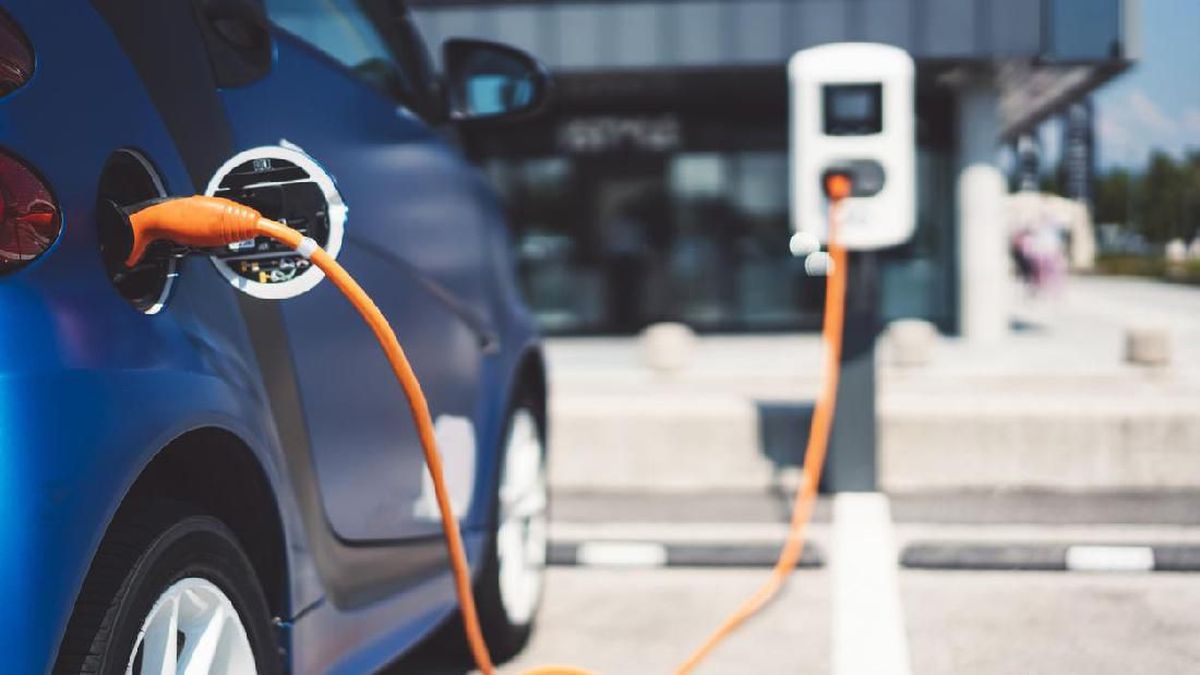
- Early 2020s: Indonesia began actively promoting electric vehicles as part of its commitment to climate change mitigation and energy security. This period saw the introduction of initial incentives, including tax breaks and subsidies, to encourage the adoption of EVs.
- 2025: The Ministry of Home Affairs Regulation No. 7 of 2025 was enacted, which explicitly exempted renewable energy vehicles, including electric vehicles, from PKB and BBNKB. This regulation was a key pillar in supporting the nascent EV market.
- April 1, 2026: The new Ministry of Home Affairs Regulation No. 11 of 2026 came into effect, having been signed by the Minister of Home Affairs, Tito Karnavian. This regulation, by omitting the specific exemption for electric vehicles and instead relying on potential regional incentives, marks a significant policy adjustment.
The current lack of detailed implementing guidelines or technical instructions for the new regulation adds another layer of complexity. Stakeholders are awaiting further clarification on how these incentives will be structured and administered by regional governments. This ambiguity could delay investment decisions and consumer purchases as potential buyers seek clarity on the final cost of EV ownership.
Supporting Data and Market Context
Indonesia has set ambitious targets for EV adoption. The government aims to have 2 million electric motorcycles and 400,000 electric cars on the road by 2025. While progress has been made, the pace of adoption still faces challenges, including the initial high cost of EVs, limited charging infrastructure, and consumer awareness.
Taxation plays a crucial role in influencing vehicle purchasing decisions. Historically, tax incentives have been a powerful tool for governments worldwide to promote the adoption of environmentally friendly technologies. For instance, countries like Norway have seen remarkable EV adoption rates largely driven by a comprehensive package of tax exemptions and incentives, including exemptions from VAT and registration taxes.
The Indonesian government’s move towards taxing EVs, even with the possibility of incentives, needs to be viewed within the context of its broader fiscal policy and its commitment to achieving environmental goals. The rationale behind such a policy shift could include:
- Revenue Generation: As the EV market grows, taxing these vehicles can contribute to state revenue, which can then be potentially reinvested in infrastructure development, including charging stations, or in further supporting the EV ecosystem.
- Fiscal Sustainability: The long-term sustainability of significant tax exemptions for a growing sector needs careful consideration. Governments often seek to balance environmental objectives with fiscal prudence.
- Fairness in Taxation: Some argue that a complete exemption indefinitely might not be equitable in the long run, especially as EV technology becomes more mainstream and the cost parity with internal combustion engine vehicles narrows.
Potential Implications and Reactions
The announcement has already begun to draw attention from various stakeholders.
- EV Manufacturers and Importers: Companies that have invested in bringing EVs to the Indonesian market may express concerns about the potential impact on sales volumes. The competitiveness of EVs against conventional vehicles could be diminished if incentives are not sufficiently robust or universally applied.
- Consumers: Potential EV buyers will likely be looking closely at how regional governments implement the incentives. A significant increase in the total cost of ownership could deter some buyers, particularly those at the entry-level of the market.
- Environmental Advocates: Groups focused on promoting sustainability and reducing carbon emissions will be keen to ensure that the new tax regime does not hinder the progress towards cleaner transportation. They may advocate for strong and consistent incentives across all regions.
- Regional Governments: The onus will now be on provincial and municipal administrations to define and implement the tax incentives. Their decisions will directly influence the attractiveness of EVs within their jurisdictions. This could lead to disparities in EV adoption rates across different provinces.
Analysis: Balancing Growth with Fiscal Responsibility
The Indonesian government’s recent regulatory update signals a strategic recalibration of its approach to electric vehicle taxation. While the previous policy focused on outright exemptions to stimulate market entry, the new framework appears to be shifting towards a more nuanced approach that balances fiscal considerations with the ongoing promotion of electric mobility.
The reliance on regional incentives is a double-edged sword. On one hand, it allows for flexibility and adaptation to local economic conditions and priorities. Regions with strong commitments to sustainability and the capacity to absorb potential revenue shortfalls may offer more generous incentives, thereby fostering local EV ecosystems. On the other hand, it introduces the risk of uneven development, where EV adoption could accelerate in some areas while lagging in others due to differing regional policies.
The success of this new policy hinges on several critical factors:
- Clarity and Consistency of Regional Incentives: For the policy to be effective, regional governments must provide clear, transparent, and consistent guidelines for PKB and BBNKB exemptions or reductions. This clarity will instill confidence in consumers and manufacturers.
- Adequacy of Incentives: The magnitude of the exemptions or reductions offered by regional governments will be crucial. If the incentives are too small, they may not be sufficient to offset the potential tax burden and maintain the competitive edge of EVs.
- Complementary Policies: Taxation is only one piece of the puzzle. Continued government support for charging infrastructure development, public awareness campaigns, and potential subsidies for EV purchases will be vital to ensure sustained EV growth.
- Monitoring and Evaluation: The central government will need to closely monitor the implementation of these incentives at the regional level and evaluate their impact on EV adoption rates. This will allow for necessary adjustments to the policy over time.
The transition to electric mobility is a complex undertaking that requires careful policy design and implementation. The Indonesian government’s latest regulation is a step in this ongoing process, and its ultimate success will be measured by its ability to foster a robust and sustainable EV market while also contributing to the nation’s broader economic and environmental objectives. The coming months will be crucial in observing how regional governments respond and how the EV landscape in Indonesia evolves under this new fiscal framework.