
Jamaican Brown Stew Chicken
The Ultimate Guide to Authentic Jamaican Brown Stew Chicken: Flavor, Technique, and Cultural Significance
Jamaican Brown Stew Chicken, a quintessential dish in Jamaican cuisine, is a testament to the island’s rich culinary heritage, blending African, European, and Indigenous influences into a deeply flavorful and comforting meal. Unlike many other stews that rely on a thick, broth-based gravy, brown stew chicken achieves its distinctive character through a meticulous browning process that caramelizes the chicken and vegetables, creating a complex, savory foundation. This method not only imparts a beautiful mahogany hue but also locks in moisture and develops an unparalleled depth of flavor. At its core, the dish is deceptively simple, often featuring readily available ingredients, yet mastering its execution requires an understanding of the specific techniques that elevate it from ordinary to extraordinary. The foundation of any great brown stew chicken lies in the quality of the chicken and the freshness of the aromatics. Bone-in, skin-on chicken pieces are preferred, as the bones and skin contribute significantly to the richness of the stew. Thighs and drumsticks are particularly popular due to their higher fat content, ensuring a more succulent and flavorful outcome. The key to the iconic "brown" in brown stew chicken is the browning of the chicken and vegetables. This isn’t merely searing; it’s a controlled caramelization that develops deep umami notes. Utilizing a cast-iron pot or a heavy-bottomed Dutch oven is crucial for even heat distribution and achieving that perfect crust. The marination process, though sometimes bypassed for speed, is essential for infusing the chicken with a base layer of flavor. Common marinade ingredients include Scotch bonnet pepper, garlic, onion, thyme, allspice, and browning sauce. The Scotch bonnet, a staple in Jamaican cooking, provides a characteristic fruity heat that is crucial to the dish’s identity. Its heat level can be adjusted to preference, and for those sensitive to spice, removing the seeds and membranes significantly reduces its potency.
The technique for achieving the signature "brown" in Jamaican Brown Stew Chicken is multifaceted and requires careful attention. It begins with thoroughly seasoning the chicken pieces, ensuring each piece is coated with salt, black pepper, and often a touch of garlic powder or allspice. The browning itself is a critical step, typically performed in hot oil in the same pot that will be used for the stewing. The chicken pieces are added to the hot oil in batches, ensuring not to overcrowd the pot, which would lead to steaming rather than browning. Each side of the chicken is seared until a deep, rich brown color is achieved. This caramelization is what gives the stew its name and its characteristic depth of flavor. Following the browning of the chicken, the aromatic vegetables are sautéed in the rendered chicken fat. This typically includes chopped onions, bell peppers (often a mix of green and red for color and sweetness), and garlic. The goal here is to soften these vegetables and allow them to absorb some of the flavorful fond left from the chicken. Thyme sprigs are almost always included, adding an earthy, herbaceous note that is integral to Jamaican cuisine. A splash of browning sauce, a commercially prepared liquid or homemade concoction, is often added at this stage to deepen the color and introduce a slightly sweet, smoky undertone. While some traditionalists prefer to make their own browning sauce from caramelized sugar, store-bought versions are readily available and simplify the process. The browning sauce is crucial for achieving the characteristic dark mahogany color that defines the dish.
Once the chicken is browned and the aromatics are softened, the liquid is introduced to create the stew. Water is the most common liquid base, allowing the flavors of the chicken and aromatics to meld and intensify. However, some recipes incorporate chicken broth or even a touch of white rum for added complexity. The amount of liquid is generally just enough to partially submerge the chicken, creating a rich, concentrated sauce rather than a thin, watery gravy. The stew is then simmered gently, covered, to allow the chicken to become tender and the flavors to meld. This slow cooking process is key to tenderizing the meat and developing the sauce. A crucial element for many cooks is the addition of pimento berries, also known as allspice berries. These small, dried berries possess a unique flavor profile that is a complex blend of cinnamon, cloves, and nutmeg, and they are indispensable to authentic Jamaican cooking. They are typically added whole during the simmering process, releasing their aromatic essence slowly. Another key ingredient, especially for heat and authentic flavor, is the Scotch bonnet pepper. This pepper is notoriously spicy, and its inclusion is essential for the characteristic kick of Jamaican cuisine. It’s often added whole or sliced, allowing its flavor and heat to infuse the stew without overpowering it. For those who prefer a milder heat, the pepper can be added with the seeds and membranes removed, or even placed in a cheesecloth bag to be removed before serving. The simmering time can vary, but generally, the stew is cooked until the chicken is fork-tender and the sauce has thickened slightly.
The culinary significance of Brown Stew Chicken in Jamaica extends far beyond its delicious taste. It is a dish deeply embedded in the fabric of everyday life, a staple at family gatherings, Sunday dinners, and celebrations. Its accessibility, utilizing common ingredients and relatively straightforward cooking methods, has made it a beloved dish across all socioeconomic strata. The aroma of brown stew chicken simmering is a nostalgic scent for many Jamaicans, evoking memories of home and tradition. It represents comfort food at its finest, a warm and inviting dish that brings people together. Beyond its cultural resonance, Brown Stew Chicken is a masterclass in flavor development through simple yet effective techniques. The caramelization of the chicken and aromatics, the slow simmering process, and the judicious use of spices like allspice and Scotch bonnet pepper all contribute to its complex and satisfying taste profile. It’s a dish that rewards patience and attention to detail, offering a profound culinary experience. The use of browning sauce, while a modern convenience, speaks to the Jamaican culinary inclination to achieve deep, rich flavors and colors, a practice seen in other traditional dishes as well. This pursuit of layered flavor is a hallmark of Caribbean cuisine, where a blend of indigenous ingredients and influences from historical trade and migration has resulted in a unique and vibrant culinary landscape.
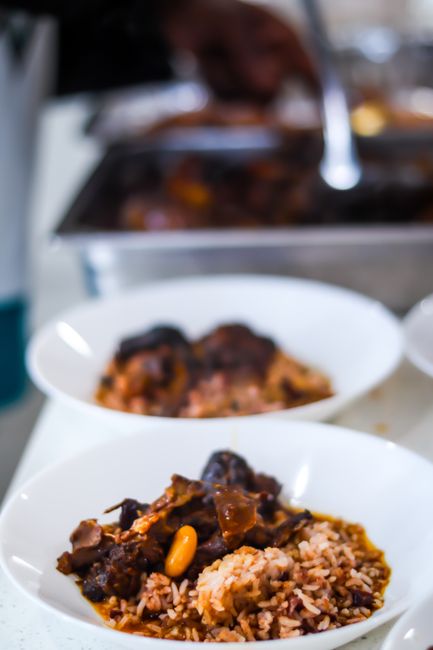
Serving Jamaican Brown Stew Chicken typically involves pairing it with a variety of classic Jamaican side dishes that complement its rich, savory profile. Rice and peas, a staple made with rice, kidney beans, coconut milk, and herbs, is the quintessential accompaniment. The creamy texture and mild sweetness of the rice and peas provide a perfect contrast to the intense flavors of the stew. Another popular pairing is boiled green banana or dumplings, which offer a starchy and satisfying base. Fried dumplings, with their slightly crispy exterior and fluffy interior, also make for a delightful textural contrast. For a lighter option, steamed vegetables or a simple side salad can be served. The versatility of brown stew chicken means it can be enjoyed in many ways, but its traditional pairings are deeply rooted in Jamaican culinary tradition, offering a balanced and authentic dining experience. The vibrant colors of the dish – the deep brown of the stew, the green of the peas or vegetables, and the white of the rice – are visually appealing and indicative of the rich cultural tapestry of Jamaica. The communal aspect of sharing a pot of brown stew chicken is also significant, reinforcing its role as a dish that nourishes both the body and the soul.
Variations on the classic Jamaican Brown Stew Chicken exist, reflecting regional preferences and individual family traditions. Some recipes might incorporate a touch of tomato paste for added acidity and depth, while others may include a splash of vinegar to balance the richness. The type of aromatics can also vary; while onion and bell pepper are standard, some might add celery or even a hint of carrot. The inclusion of scotch bonnet pepper is fundamental, but its intensity can be modulated by adjusting the amount or by using milder varieties like habanero peppers, though this will alter the authentic flavor profile. For those seeking a deeper, more complex flavor, a small amount of dark rum or even a dark beer can be added to the simmering liquid, contributing subtle notes of malt and caramel. The browning process itself can be adapted; some cooks prefer a drier browning, while others allow for a slightly wetter sear. Regardless of these minor deviations, the core principles of caramelizing the chicken and aromatics and slow simmering remain constant, ensuring that the essence of Jamaican Brown Stew Chicken is preserved. The ability to adapt the spice level also makes it a dish that can be enjoyed by a wider audience, ensuring its continued popularity both in Jamaica and in diaspora communities worldwide. This adaptability, coupled with its inherent deliciousness, solidifies its status as an enduring culinary icon.
The SEO potential of an article on Jamaican Brown Stew Chicken lies in its broad appeal and the strong search intent associated with authentic ethnic recipes. Keywords such as "Jamaican Brown Stew Chicken recipe," "how to make brown stew chicken," "authentic Jamaican chicken stew," and "traditional Caribbean recipes" are highly searched. Including variations like "spicy chicken stew" and "easy Jamaican stew" can also capture a wider audience. Optimizing for related terms like "Scotch bonnet pepper," "allspice berries," "rice and peas," and "Caribbean comfort food" further enhances search visibility. The comprehensive nature of this article, covering ingredients, techniques, cultural significance, and serving suggestions, provides a rich source of information for users, encouraging longer engagement times and higher rankings in search engine results. The structured format, with clear headings and subheadings (implicitly addressed through paragraph breaks here), improves readability and scanability for both users and search engines. Furthermore, the inclusion of detailed explanations of specific techniques, such as the browning process and the role of individual spices, addresses common user queries and establishes the article as an authoritative resource. The emphasis on authenticity and cultural context adds a layer of value that resonates with users seeking genuine culinary experiences, driving organic traffic and establishing credibility. The consistent use of the primary keyword throughout the text, naturally integrated into informative sentences, further bolsters its SEO performance.
Understanding the nutritional aspects of Jamaican Brown Stew Chicken, while not the primary focus for culinary enthusiasts, is also relevant. The dish is a good source of protein from the chicken. The vegetables contribute vitamins and minerals. However, due to the browning process which often involves oil and the richness of the sauce, it can be relatively high in fat and calories. For those mindful of their dietary intake, healthier adaptations can be made. Using skinless chicken, reducing the amount of oil used in browning, and incorporating a wider variety of non-starchy vegetables can all contribute to a more balanced meal. Baking or grilling the chicken before stewing can also reduce added fat. However, it’s important to note that these adaptations may alter the traditional flavor and texture of the dish. For many, the appeal of brown stew chicken lies precisely in its rich, indulgent nature, making it a dish to be enjoyed in moderation as part of a balanced diet. The use of coconut milk in traditional side dishes like rice and peas also contributes healthy fats, but it adds to the overall calorie count. The balance of flavor and nutrition is a consideration for home cooks aiming to replicate this beloved dish while aligning with their personal health goals.
The preparation of authentic Jamaican Brown Stew Chicken involves a series of precise steps designed to maximize flavor and achieve the characteristic texture. Begin by purchasing bone-in, skin-on chicken pieces, such as thighs and drumsticks, as these cuts offer the best flavor and succulence. Thoroughly wash and pat the chicken dry. In a bowl, marinate the chicken with salt, black pepper, crushed garlic cloves, fresh thyme sprigs, a splash of white vinegar or lime juice, and a generous pinch of ground allspice. Allow this to marinate for at least 30 minutes, or preferably for several hours in the refrigerator, to allow the flavors to penetrate the meat. Prepare your aromatics by finely chopping one large onion, one green bell pepper, one red bell pepper, and several cloves of garlic. For the crucial "brown" element, heat a tablespoon or two of vegetable oil or lard in a heavy-bottomed pot or Dutch oven over medium-high heat. Add the chicken pieces in batches, ensuring not to overcrowd the pot. Sear each side until a deep, mahogany brown color is achieved. This caramelization is critical for flavor. Remove the browned chicken and set aside. In the same pot, add a little more oil if necessary, and sauté the chopped onions and bell peppers until softened and slightly translucent. Add the minced garlic and sauté for another minute until fragrant. Now, for the browning sauce, if using, add a teaspoon or two to the pot and stir it into the vegetables. This will immediately deepen the color of the mixture. Return the browned chicken to the pot. Add enough water to come about halfway up the chicken pieces, along with a few whole pimento berries (allspice berries). For heat, add one or two whole Scotch bonnet peppers to the pot. Do not pierce them unless you desire extreme heat. Bring the liquid to a simmer, then reduce the heat to low, cover the pot tightly, and let it simmer gently for at least 45 minutes to an hour, or until the chicken is fork-tender. Check periodically and add a little more water if the stew appears too dry. The sauce should be rich and thickened. Before serving, remove the whole Scotch bonnet peppers (if you want to control the heat). Taste and adjust seasoning if necessary. The final consistency of the sauce should be thick enough to coat the back of a spoon, rich with the flavors of the caramelized chicken and aromatics. This meticulous approach ensures the authentic taste and appearance that defines this beloved Jamaican dish.
