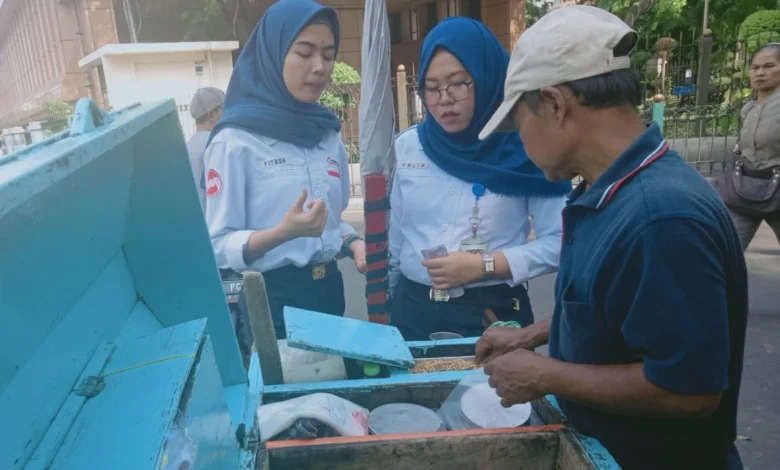
Generations that came of age in the vibrant decades of the 1980s and 1990s in Indonesia likely harbor a treasure trove of sweet memories, particularly those involving icy delights that offered a welcome respite from the scorching tropical sun. Long before the proliferation of modern ice cream parlors and trendy beverages, a rich tapestry of traditional frozen treats colored the childhoods of many. These "es jadul" (old-school ice), often sold by vendors stationed outside schools, bustling markets, or even those who peddled their wares from house to house, were more than just a way to cool down; they were integral companions to after-school play and youthful adventures. Their inherent simplicity fostered a deep connection, imbuing them with not only refreshing flavors but also a profound sense of storytelling and nostalgia. While their ubiquity may have waned in the face of contemporary culinary trends, these classic Indonesian cold treats continue to hold their own, deserving of enjoyment by all generations as timeless elements of the nation’s culinary heritage.
This article delves into the diverse world of these beloved "es jadul," exploring the unique characteristics and nostalgic pull of each.
The Sweet History of Cooling Down: A Look at Traditional Indonesian Frozen Desserts
The practice of consuming frozen desserts in Indonesia has deep roots, predating the modern era by centuries. While specific origins are difficult to pinpoint, the abundance of tropical fruits and the availability of ice (initially through natural means and later through more advanced refrigeration) laid the groundwork for a culture of refreshing treats. The 1980s and 1990s, in particular, represent a golden age for these simpler, more accessible frozen delights. During this period, economic conditions meant that many families sought out affordable yet satisfying treats for their children. The vendors, often small-scale entrepreneurs, played a crucial role in making these goodies accessible, bringing them directly into communities.
The rise of these "es jadul" can also be seen as a reflection of the available technology and ingredients. Recipes often relied on basic ingredients like coconut milk, tapioca starch, and local fruits, transformed through simple freezing techniques. The portability and ease of consumption were key factors in their widespread popularity, allowing children to enjoy them on the go, during breaks from school, or while playing with friends.
Iconic "Es Jadul" That Evoke Childhood Memories
1. Es Gabus (Hunkwe Sponge Ice)
Often referred to as "es kue" (cake ice) due to its appearance, es gabus is a quintessential example of an "es jadul." Its creation begins with a base of cooked hunkwe (a type of mung bean starch), which is then frozen. Once solidified, the large block of ice is cut into smaller, manageable portions, typically wrapped in clear plastic bags. This packaging method, often using kilogram-sized bags, was both practical for handling and visually appealing, allowing the vibrant colors of the ice to shine through.
The most distinctive characteristic of es gabus is its unique texture. Resembling a sponge or, as its name suggests, a piece of cork ("gabus" in Indonesian), it possesses a soft, porous, and slightly chewy consistency. This texture is a result of the hunkwe starch and the freezing process. When purchased, it was common for vendors to add a drizzle of chocolate milk syrup over the top, enhancing its sweetness and flavor profile.
In the 1980s, es gabus was remarkably affordable, with a single piece often costing no more than Rp500. This accessibility made it a daily indulgence for many students and families. The visual appeal, with its various bright colors (often achieved through food coloring), made it an instant favorite among children. The slightly yielding texture, combined with the creamy sweetness, provided a comforting and satisfying sensory experience.
2. Es Lilin (Candle Ice)
Es lilin, a beloved treat for children of the 80s and 90s, was a ubiquitous presence on street corners and in front of schools. Its name, "es lilin," directly translates to "candle ice," a moniker derived from its elongated, cylindrical shape, reminiscent of a candle. This simple yet effective design made it easy to hold and consume.
The versatility of es lilin lay in its wide array of flavors. Common offerings included chocolate, green bean paste, milk, various fruit flavors, and even a popular "pop soda" flavor, which likely mimicked the fizzy, sweet taste of popular sodas of the era. The preparation was straightforward: liquid ingredients were poured into plastic bags, the tops were tied securely, and the bags were then placed in a freezer until solid. This low-barrier-to-entry method allowed many home-based producers and small vendors to create and sell es lilin, contributing to its widespread availability. The simple act of unwrapping the plastic to reveal the frozen treat was part of the anticipation and joy.
3. Es Potong (Cut Ice)
The name "es potong" directly refers to its distinctive serving method. Vendors would typically carry a large, rectangular block of ice, kept frozen in a insulated container. Upon a customer’s request, a portion of this block would be cut ("dipotong") to the desired size. This portion was then usually skewered onto a wooden stick, serving as a handle, and handed over to the buyer.
Compared to other traditional ice treats, es potong often boasted a richer, more savory flavor profile and a creamier texture, primarily attributed to its base ingredient: coconut milk. This dairy-like richness, combined with the cooling sensation of the ice, made it a particularly satisfying choice. Es potong was available in a range of flavors, including popular fruit varieties, green beans, chocolate, and vanilla. To enhance its appeal, vendors often offered toppings such as chocolate sauce, colorful sprinkles ("meises"), or chopped peanuts, adding textural contrast and visual flair. The act of watching the vendor expertly cut and serve the ice was part of the experience, a small culinary performance.
4. Es Goyang (Shaking Ice)
The unique name "es goyang" translates to "shaking ice," and it accurately describes its production method. This particular type of ice was made by placing molds containing the ice mixture into a cart or container that was then manually shaken or rocked ("digoyang"). This constant motion prevented the mixture from freezing into a solid block, resulting in a softer, more consistent texture.
The base of es goyang typically consisted of a blend of coconut milk, sugar, hunkwe starch, and food flavoring. Before serving, vendors would often dip the frozen treat into a chocolate sauce and sprinkle it with chopped peanuts, adding layers of flavor and texture. The rhythmic rocking motion used in its creation was a signature characteristic, often drawing curious onlookers, especially children, to witness the process.
5. Es Gosrok (Scraped Ice)
Also known as "es serut" (shaved ice), es gosrok is a delight that relies on the simple yet effective technique of shaving ice. Large blocks of ice were scraped into fine, fluffy ice shavings, which were then molded into various whimsical shapes using an array of adorable molds, such as turtles, rabbits, or umbrellas.
The primary allure of es gosrok, particularly for children, was its vibrant visual appeal. A generous cascade of colorful syrups was poured over the fluffy ice, creating a dazzling spectacle of hues. This visual feast, combined with the refreshing sweetness of the syrup, made es gosrok an almost irresistible treat for young ones, a guaranteed way to brighten a hot afternoon. The texture of the finely shaved ice, which melts quickly in the mouth, offered a unique and invigorating cooling sensation.
6. Es Dung-dung (Dung-dung Ice)
The distinctive "dung dung dung" sound emanating from a passing cart was a familiar auditory cue for the arrival of es dung-dung. This sound was produced by the vendor using a specialized metal cylinder or drum as part of the freezing process. This method of creation also led to another common name for this treat: "es putar" (rotated ice).
Es dung-dung was primarily made from a base of coconut milk, sugar, a pinch of salt to enhance flavor, and food coloring. The mixture was placed in a special rotating container, often a metal cylinder placed within a larger container filled with ice and salt, which facilitated the freezing process while maintaining a smooth, creamy texture.
Traditionally, es dung-dung was served in a crispy cone or nestled between two slices of plain white bread. This bread-and-ice combination was a unique and beloved way to enjoy the treat. It was commonly finished with a generous drizzle of condensed milk and a scattering of colorful sprinkles, adding a delightful sweetness and visual appeal. The combination of the creamy ice, the soft bread, and the sweet toppings created a multi-layered sensory experience that was both comforting and satisfying.
The Enduring Appeal and Cultural Significance
The enduring appeal of these "es jadul" goes far beyond their refreshing qualities. They represent a tangible link to a simpler time, a period often characterized by less technological advancement and a greater emphasis on community and shared experiences. For those who grew up in the 80s and 90s, encountering these treats can trigger a wave of nostalgia, transporting them back to carefree days of childhood.
Beyond personal nostalgia, these treats hold a significant place in Indonesia’s culinary landscape. They are a testament to the creativity and resourcefulness of local vendors who, with limited resources, were able to create popular and affordable delicacies. They embody a form of culinary heritage that is both accessible and deeply rooted in everyday life.
The fact that these treats are still sought after, even in an era of globalized food trends, speaks volumes about their intrinsic value. They offer a sense of authenticity and a connection to Indonesian identity that modern, mass-produced desserts often lack. The preservation and continued appreciation of "es jadul" contribute to the richness and diversity of Indonesian cuisine, ensuring that these sweet memories can be shared across generations.
Challenges and Future Outlook
Despite their enduring charm, the traditional vendors of "es jadul" face modern challenges. Competition from a vast array of new and trendy beverages and desserts, changes in urban landscapes, and sometimes the rising costs of ingredients can make it difficult for these small businesses to thrive. However, there are also signs of resurgence.
Some entrepreneurs are now revitalizing these traditional treats, sometimes with a modern twist, appealing to a new generation while retaining the nostalgic essence. This includes using higher quality ingredients, offering more sophisticated flavor combinations, and employing more appealing presentation techniques. Online platforms and social media are also playing a role in promoting these traditional delights, helping them reach a wider audience.
The continued existence and appreciation of "es jadul" serve as a reminder of the importance of preserving culinary heritage. They are more than just frozen desserts; they are edible pieces of history, carrying with them stories, memories, and the sweet taste of a bygone era. As Indonesia continues to evolve, the simple joy and nostalgic comfort offered by these traditional cold treats are likely to remain a cherished part of its cultural fabric.
The rich history and diverse offerings of these traditional Indonesian frozen treats underscore their importance not just as a culinary staple but as a cultural touchstone. From the unique texture of es gabus to the rhythmic creation of es goyang, each treat tells a story of ingenuity, community, and the simple pleasures of childhood. Their continued presence in the modern Indonesian landscape is a testament to their timeless appeal and their role in preserving a cherished part of the nation’s heritage.